Rent-Try-Buy
With SilverChef |
Apply Now
Rent-Try-Buy
With SilverChef |
Apply Now


The Science Behind Perfect Baking: Why Combi Ovens Are Game-Changers
31
Jul
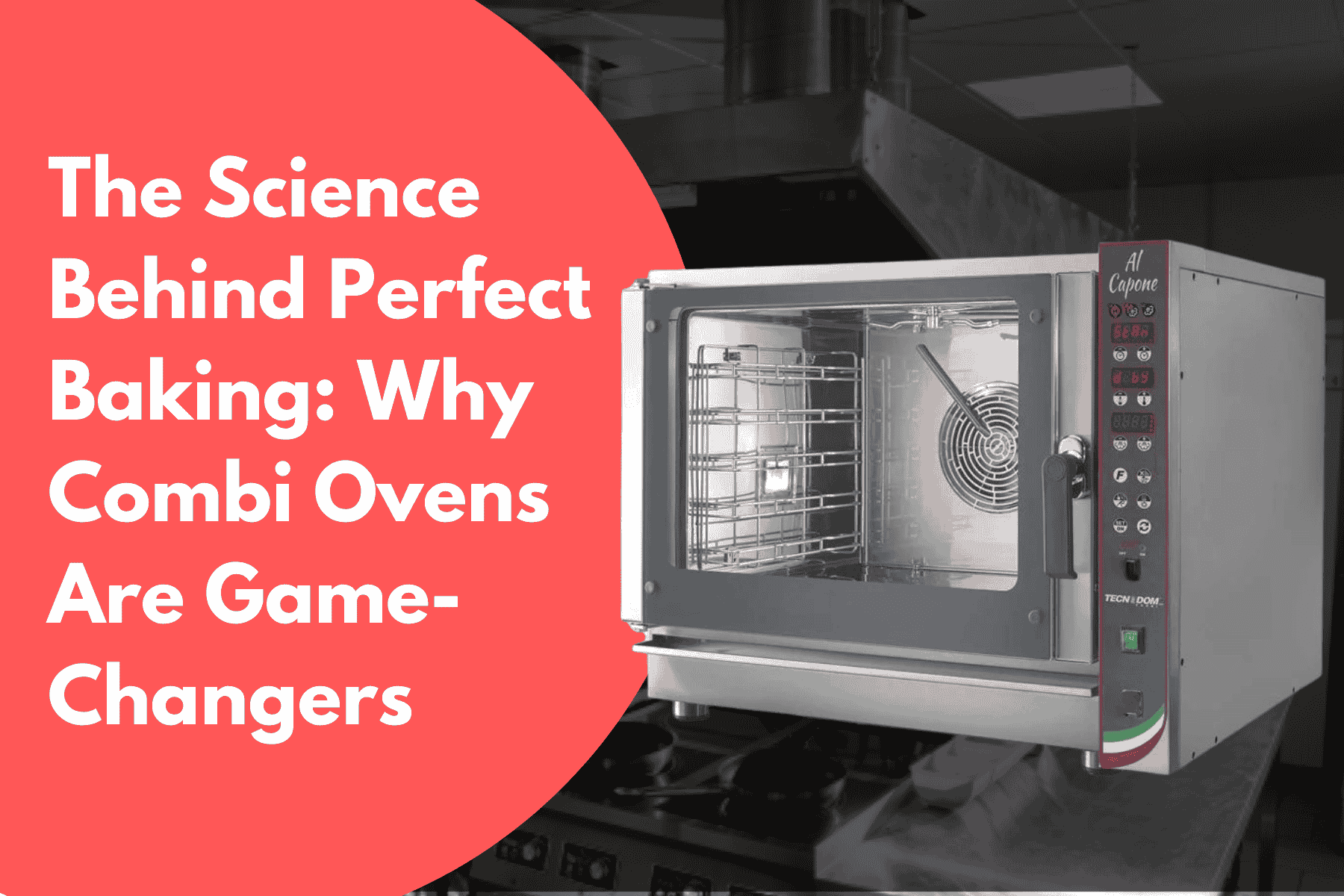
If you’ve ever wondered how elite bakeries produce flawless croissants, evenly risen sourdoughs, and delicately set custards day after day, you’re not alone. The answer often lies not just in skill, but in technology. More specifically: combi oven baking.
What Elite Bakers Know That Others Don’t: The Precision Power of Combi Ovens
Mastering Moisture, Heat, and Airflow for Unbeatable Baking Results
Every pastry chef knows the science of baking is unforgiving. Whether it’s the gelatinisation of starches or the Maillard reaction that forms a perfect golden crust, baking is about control, of temperature, humidity, and timing. Combi ovens bring laboratory-level precision to commercial kitchens, making them indispensable for professionals who demand consistency.
Where conventional ovens fluctuate in temperature and uneven airflow can cause hot spots, combi ovens maintain exact parameters across all trays. Advanced sensor systems manage humidity levels in real time, crucial for preventing crusts from forming too early or fillings from overcooking.
Baking artisan bread? You need to strike a fine balance between oven spring and crust formation. Laminating pastries? Precise humidity prevents butter from leaking. These aren’t just techniques. They’re results enabled by the right technology.
In simple terms: you gain control over your bake, not just your ingredients.
Combi Oven Baking Explained: The Game-Changing Technology Behind Perfect Proofs and Bakes
How Steam, Convection, and Control Unite for Elite-Grade Results
So, what exactly is a combi oven?
It’s a three-in-one powerhouse that can cook with dry heat (convection), moist heat (steam), or a combination of both. This versatility is where the magic happens in baking.
Let’s break it down:
- Steam is ideal for proofing, baking delicate pastries, and setting custards or cheesecakes without cracking.
- Convection heat crisps, browns, and bakes with power.
- Combi mode uses both to manipulate crust thickness, moisture retention, and expansion.
Real-World Applications for Bakers
Take croissants for example. A burst of steam at the start supports lift and lamination. Later, convection crisps the outer layers without drying the interior. Without steam, those buttery layers collapse or harden too quickly.
Or consider meringues. They require ultra-stable, low-temperature environments for even dehydration without browning. Combi ovens offer pinpoint control in the 80 to 100°C range, essential for pavlovas and French macarons.
Sourdough loaves thrive in humid, high-heat environments that promote oven spring and glossy crusts. Steam delays crust formation, giving the dough maximum expansion before setting.
Pastry creams, puddings, and flans also benefit. Combi ovens provide indirect steam that reduces the risk of splitting or curdling, even when working with egg-rich mixtures.
Choux pastry, used for éclairs and profiteroles, benefits from a dry start followed by subtle humidity to hollow out the centre without cracking the exterior.
In larger commercial environments, combi ovens allow batch baking of hundreds of identical items — cookies, muffins, mini tarts — with no tray rotation, no guesswork, and no inconsistency between the top and bottom racks.
This isn’t just about artisan finesse. Caterware’s range of commercial combi ovens includes programmable models tailored for high-volume patisserie and hotel kitchens, giving you reliability on every shift.
Addressing the Real Concerns: Are Combi Ovens Worth the Cost and Complexity?
What Professionals Ask Before Making the Investment
The upfront cost of a combi oven may seem steep, but professionals understand it’s about long-term returns. For every dollar spent, a well-utilised combi oven gives back in reduced food waste, tighter portion control, and enhanced product consistency.
Efficiency and yield improvements are immediate. Combi ovens reduce shrinkage in proteins, limit burnt or undercooked batches, and increase batch consistency. For bakeries, that means less waste and more sellable product.
According to Energy Saver toolkits published by the New South Wales government, installing a gas combi oven steamer in an aged care kitchen or similar commercial setting can save more than AUD 4,000 per year in energy bills compared to an electric model. Kitchen equipment typically accounts for 30% or more of total energy use in such facilities, highlighting how high-efficiency appliances like combi ovens can deliver rapid payback and substantial long-term savings
One combi oven often replaces multiple appliances such as proofers, steamers, and convection ovens. This saves space, streamlines your kitchen workflow, and reduces energy draw.
Labour savings are another overlooked benefit. Junior staff can produce advanced outcomes using pre-set programs, reducing dependence on top-tier talent for every bake. That’s crucial in a hospitality sector struggling with skilled labour shortages.
Overcoming the Learning Curve
Some chefs worry about complexity. But with pre-set programmes, touchscreen interfaces, and Caterware’s expert advice, the learning curve is short. Most units feature built-in cooking guides, customisable recipe storage, and even USB recipe import and export.
Maintenance is straightforward too. Most models feature self-cleaning cycles and descaling alerts, making hygiene and longevity easier to manage.
Energy usage? Today’s combi ovens are engineered for efficiency. Models from brands like Giorik adapt heat and humidity levels dynamically, ensuring minimal power consumption without compromising performance.
Why Caterware is the Smart Choice for Serious Bakers
Expert-Backed Equipment, Same-Day Despatch, and Custom Advice
At Caterware, we know that pastry chefs and bakers don’t just need equipment. They need equipment they can trust.
We stock proven industry leaders like Giorik, with combi ovens offering steam injection, precise digital controls, and capacitive touchscreens. For those seeking competitive pricing with no compromise on performance, our exclusive Caterware Range includes models built to Australian standards with heavy-duty durability.
Need advice? Our team, backed by over 35 years of hospitality expertise, offers tailored support whether you’re a boutique bakery in Brisbane or a large-scale hotel in Surfers Paradise.
Want to see it in action? Visit our Molendinar showroom and experience the difference in person.
What Bakers Ask Before Committing to a Combi Oven
Do I need a combi oven if I already have a convection oven?
Yes. Convection ovens lack steam capabilities, which are critical for many baked goods like artisan breads, choux pastry, and flans.
Are combi ovens difficult to operate?
Not at all. Most modern units feature programmable settings and guided modes. Caterware also provides usage support and guidance tailored to your kitchen setup.
What size combi oven do I need?
This depends on your output. Our team can match your batch requirements and kitchen space to the perfect model.
Is service and maintenance complicated?
Caterware’s units come with self-cleaning systems and detailed manuals. Plus, we offer product support and servicing advice.
Do Caterware combi ovens come with a warranty?
Yes. Our Caterware Range includes a 12-month warranty, and all products meet Australian commercial standards.
Step Into the Future of Baking With Caterware
For bakers who demand more than just heat, combi oven baking offers the edge. Precision. Speed. Reliability. And outcomes your customers will remember.
At Caterware, we combine the best in equipment with real-world hospitality expertise, a Gold Coast showroom, and a curated product range that delivers results.
But stock moves fast, especially during baking season. So don’t wait.
Call us today on (07) 5597 5599
Email info@caterware.com.au
Visit Caterware.com.au to secure your combi oven before the next price rise or lead-time delay.