Rent-Try-Buy
With SilverChef |
Apply Now
Rent-Try-Buy
With SilverChef |
Apply Now


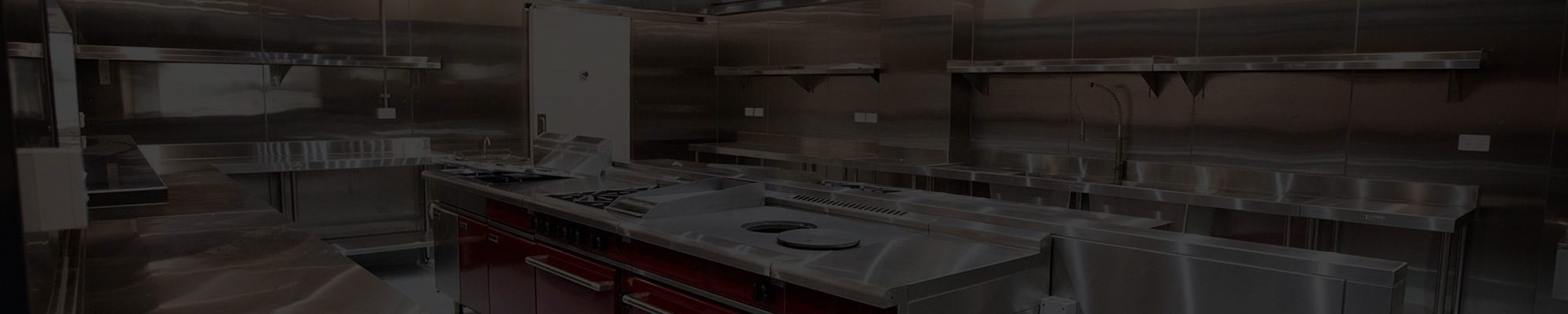
Convection vs Combi Ovens: Which One is Right for You?
04
Aug
Choosing between a combi oven and a convection oven isn’t just about specs. It’s about aligning your kitchen’s workflow, menu, and growth plans with the right equipment. This guide breaks down the critical differences so you can make a confident, cost-effective choice.
Which oven delivers the best results for your kitchen?
From steam-powered precision to fan-forced consistency, the combi oven vs convection debate is heating up. But what’s best for your business depends on more than cooking style. It’s about space, staff, and long-term return on investment. Let’s unpack it.
The Oven Decision That Can Make or Break Your Kitchen’s Efficiency
If you run a commercial kitchen, your oven isn’t just a cooking tool. It’s your workhorse. It affects prep time, consistency, and even how much you spend on labour and power. And when you’re choosing between a convection oven and a combi oven, the stakes are high.
Convection ovens use fan-forced hot air to cook food evenly. Combi ovens offer three modes: convection, steam, and a combination of both. It sounds simple, but this one decision can change how you run your kitchen. Bakers love the dry heat of convection ovens for crisp, golden crusts. Restaurant chefs prefer combis for their flexibility, from steaming seafood to baking pastries and roasting meats.
Let’s get into the specifics. The right choice here will impact your team, your overheads, and your kitchen output.
Combi vs Convection: How They Work, What They Do, and Where They Win
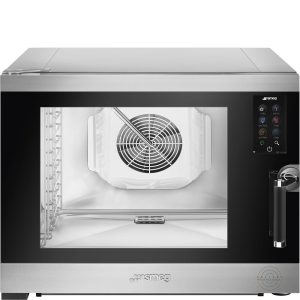
At a glance, convection ovens seem like the obvious choice. They are lower in cost, take up less space, and provide consistent cooking. Combi ovens are more expensive but offer unmatched versatility and precision that can save time and reduce waste.
Convection ovens work by circulating hot air through an internal fan. This provides even cooking across trays. They’re perfect for bakeries, cafés, and venues focused on high-volume baking or roasting. Their dry heat works best for cookies, breads, pastries, and roasted vegetables. They’re simple, reliable, and easy to use.
Combi ovens allow for dry heat, steam, or a combination. They can steam vegetables, roast meats, and bake delicate pastries with programmable precision. That’s why they are a favourite in busy restaurants, hotels, and aged-care kitchens. They reduce shrinkage, speed up prep, and deliver consistent results across dishes.
Which one is best?
- For pure baking: Choose convection
- For menu flexibility and multi-style cooking: Choose combi
Budget, Space, and Output: What to Ask Before You Invest
The price tag tells only part of the story. Convection ovens start under $2,000, while combi ovens begin around $4,000 and climb well beyond $15,000 for premium models. But think beyond the upfront cost.
Here are five key questions to guide your decision:
- What’s on your menu?
If you cook with steam, roast proteins, and bake, a combi oven might streamline your setup. - How experienced is your team?
Combi ovens come with programmable controls that may require staff training. - What’s your kitchen size?
Combi ovens often require ventilation and space. Convection ovens suit tighter layouts. - How much food do you serve per hour?
Combi ovens often yield more per batch and operate faster. - How easy is maintenance?
Convection ovens are mechanically simple. Combis may have automated cleaning but require more care.
Also consider long-term operating costs. Combi ovens can reduce energy use and food waste, especially in kitchens that run all day. In Australia, the commercial food services sector accounts for about 25% of total electricity use in the accommodation and food services industry, with cooking equipment such as ovens among the largest energy users.
What the Smart Kitchens Are Choosing and Why
Venues across Australia are making oven decisions based on performance and flexibility.
- Bakeries and cafés tend to favour convection ovens. The consistent dry heat is perfect for baking large batches of bread, muffins, and pastries.
- Restaurants and caterers are increasingly choosing combi ovens. They deliver versatility, faster cooking times, and better product yields.
- Growing businesses often invest in combi ovens early, knowing they’ll expand their menu over time without needing new appliances.
What Chefs and Bakers Ask Before They Choose an Oven
Is a combi oven worth it for small kitchens?
Yes, especially if you prepare a range of dishes that require different cooking methods. One unit can replace several others.
Can a convection oven handle high volume?
Absolutely. Convection ovens are great for baking and roasting large batches consistently.
Is cleaning a combi oven a hassle?
Not with modern models. Most have auto-cleaning features. Just follow the maintenance schedule.
Do I need special power or plumbing for either oven?
Yes. Some combi ovens require water connections and three-phase power. Always check the spec sheet.
Are Caterware ovens covered under warranty?
Yes. All Caterware-branded ovens come with a 12-month warranty. Many third-party brands we sell also include manufacturer guarantees.
Find the Right Oven with Caterware
Choosing the best oven for your kitchen can be overwhelming. But with Caterware, you’re never guessing. With more than 35 years of industry experience, we help restaurants, cafés, and commercial kitchens across Australia make smart, cost-effective decisions.
Our Gold Coast showroom lets you inspect top convection and combi ovens side by side. We offer expert advice, real-time stock visibility, and a range of trusted brands, including Giorik, Atosa, and our exclusive Caterware Range.
Ready to upgrade your kitchen? Let’s get cooking.
Call: (07) 5597 5599
Email: info@caterware.com.au
Visit: 2/6 Resources Ct, Molendinar QLD 4214
Shop: www.caterware.com.au