 Rent-Try-Buy
With SilverChef |
Apply Now
Rent-Try-Buy
With SilverChef |
Apply Now


Commercial Meat Slicer
Caterware’s commercial meat slicer range gives butchers, delis, cafés and restaurants precise, consistent slicing for meats, smallgoods and cheeses. Choose from belt driven, manual and automatic deli slicers designed for professional food preparation in Australian kitchens.
Filter by brand





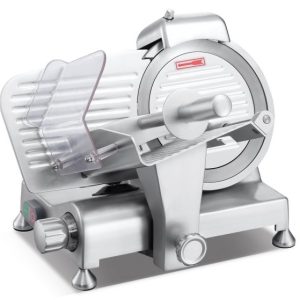
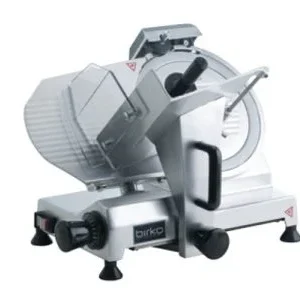
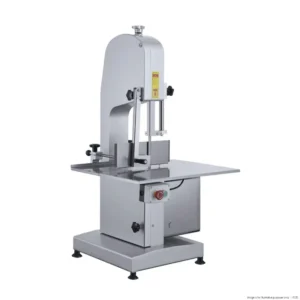
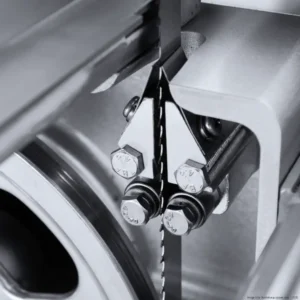


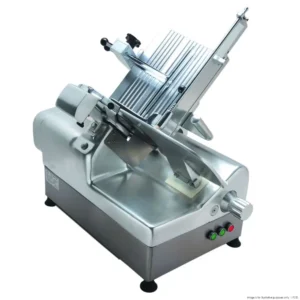
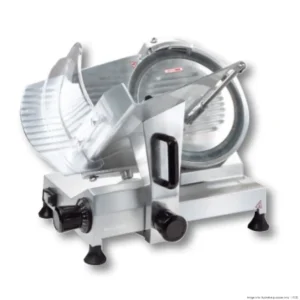
Caterware supplies a specialist range of commercial meat slicers built for accuracy, speed and safety in busy food service environments. From compact belt driven slicers for cafés and sandwich bars through to heavy duty deli slicers and industrial meat slicers for butchers, each unit is designed to deliver clean, consistent cuts with minimal waste. Precise portion control helps you improve presentation, manage food costs and maintain a reliable standard across every serve.
Our commercial meat slicer range includes popular 220 mm, 250 mm, 300 mm and 320 mm blade sizes to suit different products and production volumes. Gravity feed options are ideal for deli meats and cold cuts, while more powerful models are suitable for frequent use in butcher shops and supermarket prep rooms. Many slicers feature integrated sharpeners, adjustable thickness controls and strong stainless steel blades so your team can work efficiently throughout the day.
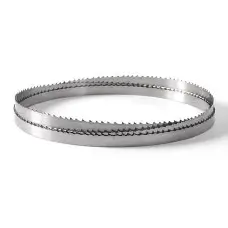
For operations that need more than simple slicing, Caterware also stocks bone saws and specialist meat cutting equipment within the same category, making it easier to equip your prep area from a single supplier. Easy to clean surfaces and food safe materials support hygiene standards and help your business meet Australian food safety requirements.
With over 35 years of experience in commercial kitchen equipment, Caterware supports customers on the Gold Coast and across Australia with reliable brands, knowledgeable advice and competitive pricing on commercial meat slicers, deli slicers and wider food preparation equipment.
Commercial Meat Slicer FAQs
What is a commercial meat slicer?
A commercial meat slicer is a powered slicing machine designed to cut meats, smallgoods and similar products into uniform slices for professional food service. It uses a rotating circular blade and adjustable thickness control to achieve consistent results much faster than slicing by hand.
What is the difference between a domestic and a commercial meat slicer?
Domestic slicers are built for occasional home use. A commercial meat slicer is designed for frequent daily use in cafés, delis, butchers and restaurants. Commercial models have stronger motors, heavier frames, larger blades, better cooling and more robust safety features, which makes them more reliable and efficient in a professional kitchen.
What size commercial meat slicer do I need?
Blade size is a good starting point. Smaller 220 mm to 250 mm slicers suit light to medium duty work, such as slicing smallgoods in a café or sandwich shop. Larger 300 mm and 320 mm slicers are better for butchers, delis and supermarkets slicing bigger product and higher volumes. Consider your product size, how often you slice and your available bench space before choosing.
Can I use a commercial meat slicer for cheese and other foods?
Many commercial food slicers can slice cheeses and some firmer vegetables as well as meats. However, softer or very sticky cheeses may require a slicer rated for that use and more frequent cleaning. Always check the manufacturer’s guidelines to confirm what your specific slicer is designed to handle.
What is a gravity feed slicer?
A gravity feed slicer uses an angled carriage so the product naturally slides toward the blade with minimal effort from the operator. This design is popular for deli slicers because it improves productivity, reduces strain and supports very consistent slicing for cold meats and smallgoods.
How do I clean and maintain a commercial meat slicer safely?
Unplug the slicer and follow the manufacturer’s instructions. Typically this includes retracting the blade, removing guards and product trays, and washing food contact surfaces with warm water and suitable detergent. Use a sanitiser approved for food equipment, dry thoroughly and reassemble. Blades should be sharpened as recommended using the built in sharpener or a compatible sharpening tool. Regular cleaning and maintenance help keep your commercial meat slicer safe, hygienic and efficient.