 Rent-Try-Buy
With SilverChef |
Apply Now
Rent-Try-Buy
With SilverChef |
Apply Now


The Best Undercounter Fridges for Small Spaces
16
Feb
Space is one of the most valuable assets in any bar or café. Every square metre must earn its place, yet refrigeration remains non-negotiable. Undercounter fridges provide a smart solution by delivering reliable cold storage without consuming precious floor area. When chosen correctly, these compact units improve workflow, protect stock, and keep service moving smoothly.
Modern undercounter refrigeration has evolved far beyond simple beer coolers. Today’s models offer professional temperature control, energy efficiency, and robust construction designed for busy hospitality environments. Selecting the right unit can transform a cramped workspace into an organised, high-performing service zone.
Why Undercounter Fridges Make Sense
Unlike tall upright cabinets, undercounter fridges slide neatly beneath benches and bars, leaving preparation surfaces free. Staff can access chilled ingredients without walking across the kitchen, saving time during peak periods. For small venues where every step counts, this convenience directly improves productivity.
These fridges also create natural workstations. A coffee machine placed above a milk fridge or a sandwich station above a salad chiller keeps everything within arm’s reach. Thoughtful layout reduces bottlenecks and supports faster customer service.
Key Features to Look For
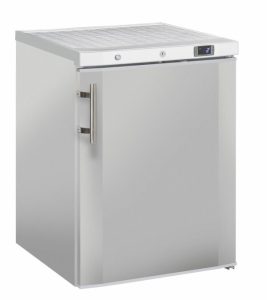
Not all compact fridges are equal. Commercial environments demand features that domestic appliances rarely provide.
Ventilation Design – Front-venting units are essential when the fridge will be built into cabinetry. They expel warm air forward rather than to the sides, preventing overheating.
Stainless Steel Construction – Durable materials resist corrosion from spills and frequent cleaning. Stainless interiors are also more hygienic and easier to maintain.
Digital Temperature Control – Precise thermostats protect sensitive products such as dairy and desserts. Look for clear displays and simple adjustment.
Self-Closing Doors – These prevent accidental energy loss when staff are rushed, a common issue behind busy bars.
Choosing the Right Capacity
Capacity should reflect daily turnover rather than wishful thinking. An overcrowded fridge struggles to circulate air, while an oversized unit wastes energy cooling empty space. Café operators should map typical stock levels before purchasing.
Consider future growth as well. A slightly larger model may be sensible if the menu is expanding, yet avoid excessive size purely for occasional events.
Solid Door vs Glass Door
The decision between solid and glass doors depends on purpose.
Solid Door Fridges offer superior insulation and lower energy consumption. They suit back-of-house storage where visibility is less important.
Glass Door Fridges encourage impulse sales by displaying drinks and desserts to customers. Modern triple-glazed doors reduce heat gain, though they still use slightly more power than solid alternatives.
Noise and Heat Considerations
Small venues are sensitive to noise. Quality undercounter fridges operate quietly, allowing comfortable conversation at the bar. Cheaper models may hum loudly, disturbing the atmosphere.
Heat output also matters. Units installed near coffee machines or ovens require strong ventilation to maintain efficiency. Selecting the right model for the environment prevents ongoing frustration.
Energy Efficiency in Compact Form
Even small fridges can consume significant electricity when running all day. Look for energy-efficient compressors, LED lighting, and good insulation. Savings accumulate quickly across multiple units. The Energy Efficiency Council of Australia reports that businesses can reduce energy costs by 10% to 30% through efficient equipment upgrades, reinforcing the value of investing in modern undercounter refrigeration systems.
Regular maintenance such as cleaning condenser coils and checking door seals keeps efficiency at its peak. These simple habits extend equipment life as well.
Placement Ideas for Bars
Behind the bar, undercounter fridges keep bottled drinks within easy reach. Pairing them with speed rails and glass racks creates an ergonomic service line. Some venues dedicate separate units for beer, wine, and mixers to avoid temperature conflicts.
For cocktail bars, a fridge beneath the preparation bench can store fresh garnishes and juices, protecting quality during long shifts.
Placement Ideas for Cafés
Cafés benefit from placing milk fridges directly under espresso machines. Baristas save seconds on every drink, which adds up during morning rushes. A second unit near the sandwich station can hold cheeses, meats, and salads.
Undercounter fridges also suit front-of-house displays for cakes and bottled beverages, maximising sales without adding bulky equipment.
Hygiene and Food Safety
Commercial fridges must maintain stable temperatures despite frequent door openings. Models with fan-assisted cooling recover quickly after access, reducing the risk of food spoilage.
Removable shelves and rounded interior corners simplify cleaning, an important consideration for venues subject to health inspections.
Installation Tips
Measure available space carefully, including ventilation gaps and door swing. Ensure electrical outlets are accessible and protected from moisture. Built-in installations should allow service access for future repairs.
Professional installation prevents many common problems and protects warranties.
Budgeting Wisely
Price should be weighed against durability and running costs. A cheaper unit that fails during peak season can cost far more than a reliable premium model. Consider warranty length, availability of spare parts, and local service support.
Leasing options may help new businesses spread costs while still choosing quality equipment.
Common Mistakes to Avoid
- Buying domestic fridges for commercial use
- Ignoring ventilation requirements
- Overfilling shelves and blocking airflow
- Choosing glass doors for hot kitchens
- Forgetting to plan for cleaning access
Avoiding these errors ensures the fridge supports operations rather than creating headaches.
When to Replace Existing Units
Signs that an upgrade is due include inconsistent temperatures, excessive frost, loud compressor noise, or rising energy bills. Older fridges often cost more to run than new efficient models even if they still function.
Replacing before failure prevents lost stock and disrupted service.
Creating a Cohesive Cold Chain
Undercounter fridges work best as part of a planned refrigeration system that includes upright cabinets and freezers. Consistent temperatures from delivery to service protect product quality and reduce waste.
Consulting specialists helps design a layout tailored to menu and workflow rather than random purchases.
Making Small Spaces Work Harder
Limited space does not have to limit ambition. With the right undercounter fridges, bars and cafés can store more, serve faster, and present products attractively without expanding their footprint. Thoughtful selection turns compact areas into efficient profit centres.
Ready to upgrade your cold storage while making the most of every centimetre?
Contact Caterware today for expert guidance, competitive pricing, and Australia-wide delivery on practical undercounter fridges and commercial refrigeration solutions.
Caterware
Call us now: (07) 5597 5599
Email us: info@caterware.com.au
Visit: www.caterware.com.au
Address: 2/6 Resources Ct, Molendinar QLD 4214
FAQs
1. Are undercounter fridges suitable for commercial bars and cafés?
Yes. Undercounter fridges are specifically designed for commercial hospitality environments. They save floor space, improve workflow, and provide reliable temperature control in busy bars and cafés.
2. What is the difference between solid door and glass door undercounter fridges?
Solid door models offer better insulation and lower energy consumption, making them ideal for back-of-house storage. Glass door units allow product visibility for customer-facing areas but may use slightly more energy.
3. How do I choose the right size undercounter fridge?
Choose a unit based on your daily stock turnover and available space. Avoid overcrowding, which restricts airflow, and avoid oversizing, which wastes energy. Consider future growth without overestimating capacity needs.
4. Do undercounter fridges use a lot of electricity?
While smaller than upright units, undercounter fridges still run continuously. Modern energy-efficient models with quality insulation, LED lighting, and efficient compressors help reduce operating costs significantly.
5. When should a commercial undercounter fridge be replaced?
Signs it’s time to replace a unit include inconsistent temperatures, excessive frost build-up, loud compressor noise, rising energy bills, and frequent repairs. Upgrading before failure prevents stock loss and service disruption.