 Rent-Try-Buy
With SilverChef |
Apply Now
Rent-Try-Buy
With SilverChef |
Apply Now


Fridge vs Freezer Combos: Are They Worth It?
09
Feb
In a fast-paced commercial kitchen, every decision needs to support efficiency, consistency, and long-term value. Choosing between separate fridges and freezers versus an upright fridge freezer combo is one of those deceptively simple decisions that can have a big impact.
For many operators, especially those in smaller venues or launching new concepts, a combo unit might seem like the perfect solution. It promises to save space, simplify logistics, and reduce upfront costs. But are the benefits real in practice? Or are you trading performance for convenience?
This article takes an analytical look at upright fridge freezer combos for commercial kitchens. We will explore where they fit, when they fail, and whether they are truly worth the investment for your venue.
The Practical Value of Upright Fridge Freezer Combos
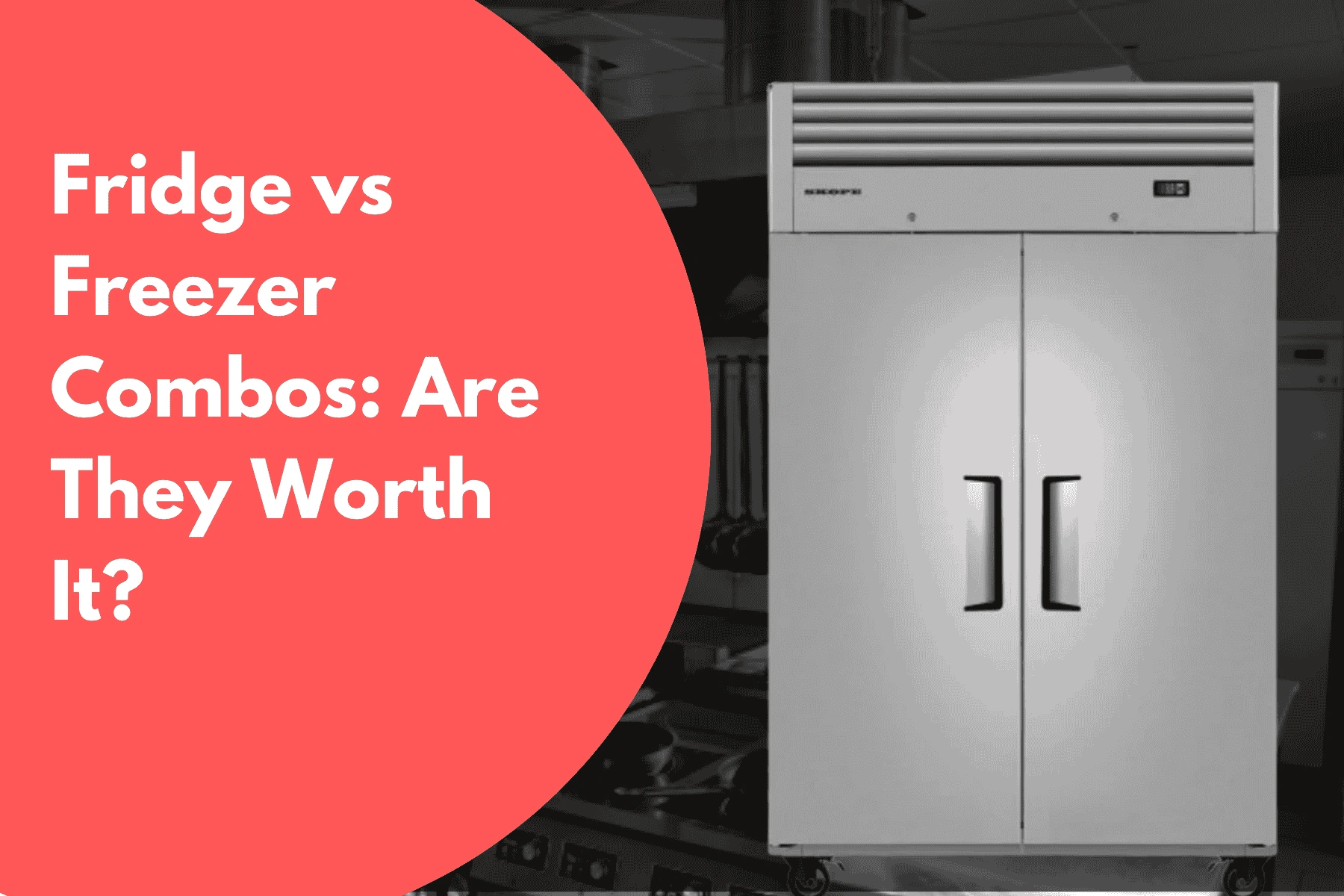
In tight kitchens with demanding workflows, upright fridge freezer combos provide a streamlined, space-conscious cold storage solution. The appeal is straightforward: one unit handles both refrigeration and freezing, reducing the need for multiple machines and simplifying the layout of the back-of-house area.
They are particularly suited to businesses where space is at a premium. Cafés, food trucks, QSRs, bars, and even hotel kitchens often need flexible refrigeration in a smaller footprint. In these settings, every square metre counts. A combination unit can fit in areas where two separate units would not.
Modern fridge freezer combos also meet increasingly stringent commercial standards. In reputable ranges, such as those stocked by Caterware, units feature high-grade materials like 304 stainless steel, digital temperature control, and split-door systems that reduce temperature loss.
Critically, the assumption that combination units mean compromise is no longer valid. Advances in design and insulation technology have improved the performance and reliability of these machines. Where early units may have struggled with uneven temperature zones or slow recovery times, newer models have addressed these issues through upgraded compressors and separate cooling circuits.
The other significant benefit is power management. Running one unit instead of two often reduces overall energy consumption. This becomes a strategic saving over time, especially for operators in energy-intensive sectors like hospitality and catering. According to the Australian Government, refrigeration can be responsible for between 25% and 85% of total company energy use, highlighting how critical refrigeration efficiency is to controlling operating costs. Choosing an efficient fridge freezer combo can therefore reduce energy consumption while simplifying kitchen infrastructure.
When an Upright Combo Makes Sense (and When It Does Not)
Despite their clear advantages, fridge freezer combos are not a universal solution. Understanding when they fit is essential to avoid future frustration or premature upgrades.
These units are ideal for:

- Start-ups or smaller commercial kitchens with limited space and budget
- Operators seeking an all-in-one solution with minimal installation needs
- Businesses with low-to-moderate cold storage requirements
- Operators who value simple daily workflows and fast access to core ingredients
They are less suitable for:
- High-volume kitchens requiring large, dedicated cold and frozen storage
- Venues storing bulk stock for long periods
- Environments with extreme ambient temperatures, which can compromise performance
- Kitchens with separate zones or food safety workflows that demand distinct refrigeration spaces
One of the limitations with some upright fridge freezer combos is their internal storage configuration. Although the unit may have a tall external profile, the usable volume inside can be smaller than two separate units combined. The insulation walls, compressor compartments, and dual-zone mechanics can slightly reduce internal space compared to dedicated single-function units.
Furthermore, combo units can introduce cross-contamination risks if not used correctly. Kitchens that store raw meats and fresh produce together need careful compartmentalisation. Some combo units may have limited flexibility in shelf adjustment or segregation, which can pose compliance risks under strict HACCP guidelines.
Another concern is long-term scalability. While a combo may be perfect for a new venue’s first year, it may become restrictive as the business grows. If your turnover doubles, having separate fridge and freezer units gives more flexibility in rotation, loading, and maintenance scheduling.
Overall, the decision to invest in a fridge freezer combo must be grounded in your business’s actual cold storage demands. Consider your current stock rotation patterns, peak service load, future growth plans, and staff workflow habits before committing.
Cost Comparison: Combo vs Separate Units
From a purely financial perspective, fridge freezer combos tend to win on initial price point. When comparing upfront costs, a combo can be up to 30 per cent more cost-effective than buying a separate upright fridge and upright freezer of similar commercial standard.
Installation costs are also lower. You only need one delivery, one power connection, and one set-up. This can be especially important for remote venues or hospitality businesses launching with tight timelines.
Over time, combo units may offer savings through:
- Reduced energy use due to consolidated refrigeration systems
- Fewer service visits and maintenance calls
- Lower floor space rental or design costs
However, you must weigh these savings against potential risks. If the unit fails, you lose both refrigeration and freezer capacity at once. This represents a bigger operational disruption than if one unit goes down.
Serviceability is another consideration. Most reputable commercial combos are designed with service panels and diagnostics to make technician access easier. However, service on dual-purpose equipment can sometimes cost more per hour, particularly if the cooling systems are integrated rather than independent.
Caterware’s equipment advisors often recommend combos as an entry solution, especially for early-stage venues. Once your business scales, the unit can be repurposed for specific zones like desserts, prep, or drinks, while larger standalone units take over primary cold storage duties.
Layout Planning and Kitchen Workflow
A well-designed kitchen needs thoughtful cold storage positioning. A single upright fridge freezer combo helps simplify layout planning. Instead of allocating separate zones for cooling and freezing, you can consolidate functions into a single vertical footprint.
This is especially useful for narrow galley-style kitchens, food trucks, or café back-of-house areas. The benefits include reduced walking time for staff, improved access to key ingredients, and easier monitoring of stock levels.
It also means only one unit to clean around, maintain, and schedule inspections for. The simplicity is particularly attractive for operators running lean rosters or training new team members.
That said, combo units need to be placed carefully. Since the doors may be opened frequently, especially during prep or peak service periods, ensure that the unit is positioned away from direct heat sources like ovens, fryers, or sunlight. Frequent door openings in a high-heat environment can cause internal temperatures to fluctuate, affecting food safety.
Ideally, the freezer side should be accessed less frequently than the fridge side, which usually contains daily use items. Look for models with separate doors, independent compartments, and sealed gaskets that preserve internal temperature as staff access one side without affecting the other.
Combo units with digital controllers and audible alarms for temperature drift are recommended for environments where compliance and traceability are essential. These features provide an added layer of security and peace of mind.
Caterware’s Approach to Combo Refrigeration
Not all commercial fridge freezer combos are built the same. Caterware’s upright fridge freezer units are selected or manufactured specifically for high-performance Australian commercial kitchens.
The range includes models with:
- Separate digital controls for fridge and freezer sections
- High-grade stainless steel internal and external finishes
- GN pan compatibility
- Self-closing doors with magnetic seals
- Adjustable shelving for optimal space use
- 12-month full commercial warranty
All models are compliant with local Australian electrical and gas safety standards and meet the durability expectations of busy commercial operators.
In addition, Caterware offers live stock status updates, product walkthroughs, and optional trade-up plans, allowing customers to scale their refrigeration assets as their business grows.
While some operators might be tempted to source generic imports online, Caterware’s customers benefit from dedicated support, same-week shipping options in SE Queensland, and after-sales service based on years of hospitality industry experience.
Choosing Refrigeration That Fits Your Workflow
If you are launching a new venue, outfitting a small space, or looking for cost-effective refrigeration with minimal installation hassle, an upright fridge freezer combo is a smart, strategic choice.
It offers a balance of performance, convenience, and value that meets the needs of many commercial operators. However, understanding its limits is key. As with any commercial kitchen investment, your decision should reflect your workflow, output, and future growth plan.
Caterware’s experienced team can walk you through the best options for your layout, menu type, and storage strategy. Whether you need a combo unit today or are planning a full refrigeration fit-out, advice is only a call or visit away.
Ready to Choose the Right Cold Storage?
Explore Caterware’s upright fridge freezer combos and full refrigeration collection today:
Call Caterware on (07) 5597 5599
Email: info@caterware.com.au
Visit the showroom: 2/6 Resources Ct, Molendinar QLD
Shop online at: https://www.caterware.com.au/product-category/fridges-freezers/
FAQs
1. Are upright fridge freezer combos suitable for commercial kitchens?
Yes, upright fridge freezer combos are suitable for many commercial kitchens, particularly cafés, QSRs, food trucks, bars, and smaller venues. They provide a space-saving, all-in-one cold storage solution while meeting commercial performance standards.
2. Do fridge freezer combos use less energy than separate units?
In many cases, yes. Running one consolidated unit instead of two separate machines can reduce overall energy consumption. Modern combo units use efficient compressors, improved insulation, and digital temperature controls to optimise power usage.
3. What are the limitations of upright fridge freezer combos?
Combo units may offer slightly less internal storage compared to two separate dedicated units. They can also become restrictive in high-volume kitchens or growing venues that require expanded cold storage capacity.
4. Is a fridge freezer combo more cost-effective than buying separate units?
Generally, upright fridge freezer combos have a lower upfront cost and reduced installation expenses. However, operators should consider long-term scalability, serviceability, and total storage requirements before deciding.
5. When should a commercial kitchen choose separate fridge and freezer units instead?
Separate units are often better for high-volume kitchens, venues storing bulk stock, or businesses with strict food safety zoning requirements. They also provide greater flexibility for maintenance and future expansion.