 Rent-Try-Buy
With SilverChef |
Apply Now
Rent-Try-Buy
With SilverChef |
Apply Now


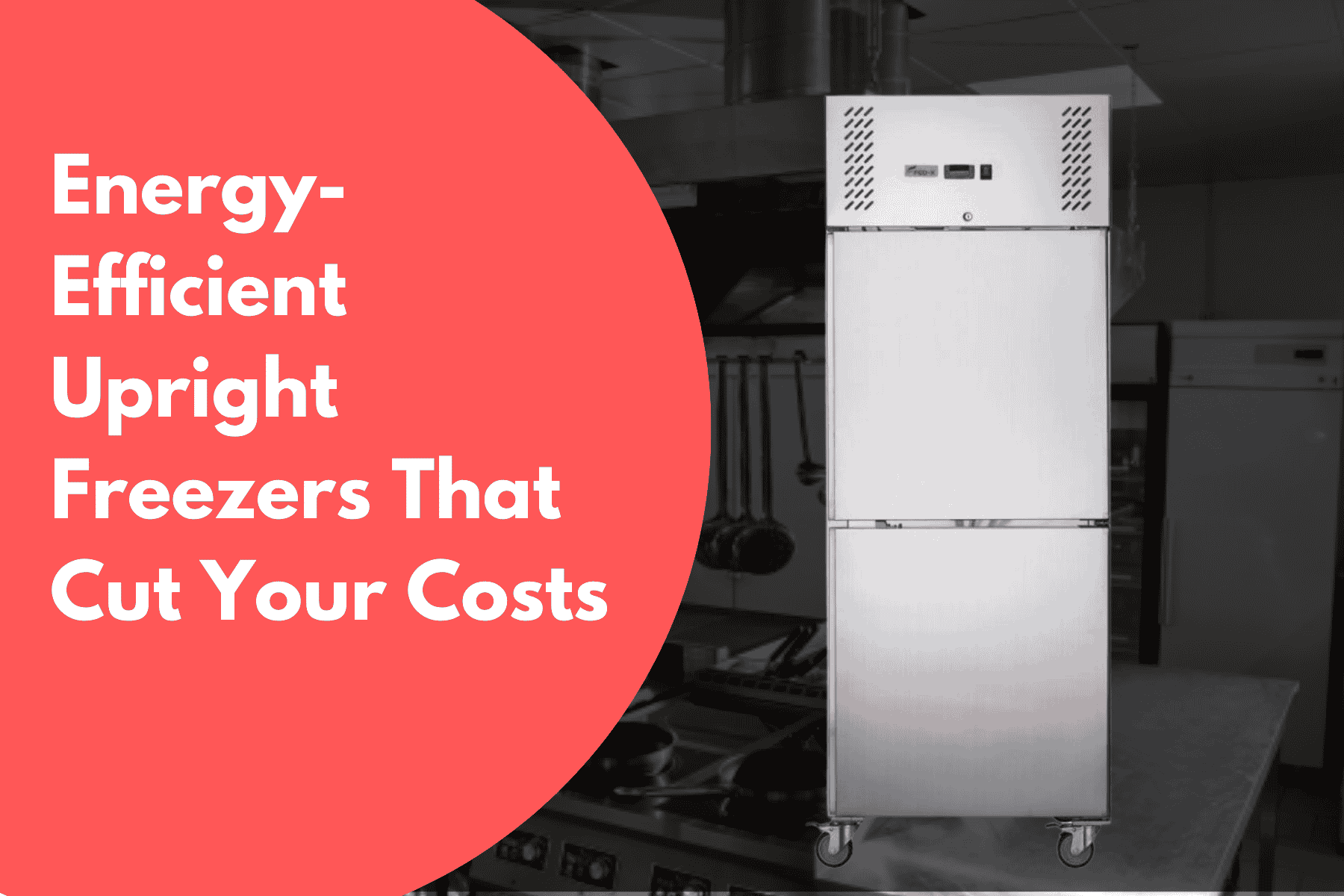
Energy-Efficient Upright Freezers That Cut Your Costs
02
Feb
Rising energy prices have forced many hospitality businesses to examine every appliance that runs around the clock. Upright freezers are essential for food safety, yet they are also among the biggest power consumers in a commercial kitchen. Choosing an energy-efficient model can reduce operating costs dramatically without compromising storage capacity or performance.
Modern refrigeration technology has changed the economics of cold storage. Improved compressors, smarter insulation, and digital temperature management mean today’s upright freezers use far less electricity than units produced only a decade ago. For restaurants, hotels, and catering operations, the difference can be felt on monthly utility bills almost immediately.
Why Energy Efficiency Matters in Commercial Kitchens
Freezers never sleep. While ovens and mixers operate only during service hours, cold storage works day and night to protect valuable stock. Even a small improvement in efficiency therefore multiplies into substantial savings over a year.
According to the Australian Government’s energy.gov.au, refrigeration can account for between 25% and 85% of total company energy use, making it one of the largest electricity consumers in commercial kitchens and hospitality environments. This means upgrading to an energy-efficient upright freezer can significantly reduce operating costs over time while improving overall energy performance.
Energy-efficient models also contribute to sustainability goals. Many venues now promote environmental responsibility to guests and corporate clients. Demonstrating reduced power consumption strengthens brand reputation while supporting compliance with emerging green standards.
Understanding Energy Ratings
Commercial freezers are often labelled with energy classifications that indicate annual consumption. These ratings allow buyers to compare models of similar size. A freezer with a higher efficiency grade may cost more initially, yet the long-term savings frequently outweigh the purchase price.
Business owners should look beyond the sticker alone. Real-world performance depends on kitchen temperature, door usage, and maintenance habits. Selecting equipment suited to the specific environment is just as important as choosing the best rating.
Technology Behind Lower Power Bills
Several innovations have reshaped upright freezer design:
High-Efficiency Compressors – Modern compressors regulate output according to demand rather than running at full power constantly. This variable speed approach reduces waste during quiet periods.
Thicker Insulation – Advanced foam materials minimise heat transfer through cabinet walls. Better insulation means the compressor works less to maintain safe temperatures.
Electronic Controllers – Digital thermostats keep conditions stable within tight margins. They prevent the wide temperature swings common in older mechanical systems.
LED Lighting – Energy-saving interior lights generate less heat, further lowering the load on the cooling system.
Together these features create significant reductions in electricity use without altering the daily routine of staff.
Upright Design Advantages

Upright freezers are popular because they combine generous capacity with easy access. Shelving allows organised storage so chefs can find ingredients quickly, reducing the time doors remain open. Less open-door time directly translates to lower energy consumption.
Compared with chest freezers, upright units also occupy less floor space and suit narrow kitchen layouts. For hotels with multiple service areas, this flexibility is invaluable.
Calculating Real Savings
To estimate potential savings, compare the annual kilowatt-hour consumption of current equipment with that of new models. Multiply the difference by your electricity tariff to see the yearly cost reduction.
For example, replacing an older freezer that consumes 1,200 kWh annually with a model using 700 kWh can save hundreds of pounds each year. Over the typical lifespan of commercial equipment, the total benefit becomes substantial.
Features That Influence Efficiency
When evaluating options, consider the following elements:
Door Construction – Solid doors generally perform better than glass in hot kitchens, though modern triple-glazed panels have improved significantly.
Automatic Defrost – Smart defrost cycles prevent ice build-up without unnecessary heating, keeping the evaporator efficient.
Self-Closing Hinges – These reduce accidental energy loss during busy service.
Adjustable Shelving – Well-organised interiors help staff retrieve items faster, limiting warm air entry.
The Importance of Proper Sizing
Buying a freezer that is too large wastes energy cooling empty space, while an undersized unit forces frequent door openings. Assess average stock levels and menu requirements before selecting capacity.
Hotels with seasonal demand may benefit from multiple smaller units rather than one oversized cabinet. This approach allows some equipment to be switched off during quiet months.
Placement and Kitchen Environment
Even the most efficient freezer struggles in poor conditions. Position units away from ovens and direct sunlight where possible. Adequate ventilation around the cabinet allows heat to dissipate effectively.
In cramped kitchens, consider models with front-venting systems designed for tight installations. Good placement can improve efficiency as much as choosing a premium model.
Maintenance That Protects Savings
Energy performance declines when maintenance is ignored. Simple routines keep equipment operating at peak efficiency:
- Clean condenser coils monthly to ensure proper airflow
- Check door seals for wear and replace if damaged
- Avoid overloading shelves which restricts circulation
- Schedule professional servicing at least once a year
These small actions preserve the savings promised by modern technology.
Reliability and Food Safety
Efficiency must never compromise temperature stability. Quality upright freezers maintain consistent conditions even during busy periods. Rapid recovery after door openings protects food quality and reduces waste.
Digital alarms and temperature logs provide additional security for hotels and restaurants subject to strict food safety audits. Investing in reliable equipment prevents costly spoilage incidents.
Financing and Total Cost of Ownership
Many suppliers offer leasing or finance plans that spread the initial investment. When monthly repayments are compared with expected energy savings, upgrading can become cash-flow positive from the first year.
Total cost of ownership should include purchase price, electricity use, maintenance, and expected lifespan. Energy-efficient models frequently deliver the lowest overall cost despite higher upfront figures.
Choosing Between Freezer and Freezer-Fridge Combos
Some venues benefit from combination cabinets that include both chilled and frozen sections. These can be efficient solutions for small kitchens, though pure upright freezers remain the best option for high-volume frozen storage.
Assess menu needs carefully before deciding on configuration. Flexibility today may prevent another purchase tomorrow.
Environmental Responsibility
Reducing energy use lowers carbon emissions associated with hospitality operations. Many new freezers also employ refrigerants with lower global warming potential, aligning with international environmental commitments.
Guests increasingly value businesses that demonstrate genuine sustainability efforts. Upgrading refrigeration can therefore support marketing as well as finances.
Making the Upgrade Decision
Replacing working equipment can feel uncomfortable, yet clinging to inefficient freezers often costs more in the long run. Compare utility bills, consider the age of existing units, and evaluate repair history. Frequent breakdowns are strong signals that an upgrade is overdue.
Consulting with knowledgeable suppliers helps match models to real operational needs rather than catalogue specifications alone.
A Smart Step for Modern Businesses
Energy-efficient upright freezers offer one of the fastest returns on investment in a commercial kitchen. They reduce bills, support sustainability, and improve food safety with minimal disruption to daily routines. For business owners and hoteliers seeking practical ways to protect margins, upgrading cold storage is a logical first move.
Ready to upgrade your cold storage while cutting operational costs?
Contact Caterware today for expert guidance, competitive pricing, and Australia-wide delivery on energy-efficient upright freezers and commercial refrigeration solutions.
Caterware
Call us now: (07) 5597 5599
Email us: info@caterware.com.au
Visit: www.caterware.com.au
Address: 2/6 Resources Ct, Molendinar QLD 4214
FAQs
1. How much energy can an efficient upright freezer save in a commercial kitchen?
An energy-efficient upright freezer can reduce electricity consumption significantly compared to older models. Depending on usage and kitchen conditions, businesses may save hundreds of pounds per year, with greater long-term savings over the unit’s lifespan.
2. Why are upright freezers major energy consumers in hospitality businesses?
Upright freezers operate 24 hours a day to maintain safe food storage temperatures. Because they run continuously, even small improvements in energy efficiency can lead to substantial reductions in annual electricity costs.
3. What features make an upright freezer more energy efficient?
Key features include high-efficiency compressors, thicker insulation, digital temperature controllers, LED lighting, automatic defrost systems, and self-closing doors. These technologies reduce energy waste while maintaining stable temperatures.
4. Is it worth replacing an older commercial freezer that still works?
Yes. Older freezers typically consume far more electricity than modern energy-efficient models. When rising utility bills and repair costs are considered, upgrading often provides a strong return on investment.
5. How does proper maintenance affect freezer energy efficiency?
Regular maintenance such as cleaning condenser coils, checking door seals, ensuring proper ventilation, and scheduling professional servicing helps maintain optimal efficiency and prevents rising energy consumption over time.