 Rent-Try-Buy
With SilverChef |
Apply Now
Rent-Try-Buy
With SilverChef |
Apply Now


The Ultimate Guide to Bain Maries: How to Keep Food Warm
16
Sep
Our Guide to Bain Maries: What Every Commercial Kitchen Owner Should Know
A bain marie is ideal for keeping food warm, fresh, and ready to serve—without overcooking or drying it out. From busy cafés and restaurants to large-scale catering operations, this versatile piece of equipment plays a crucial role in maintaining food quality and safety during service. By applying gentle, even heat—either through hot water (wet heat) or electric elements (dry heat)—bain maries ensure that soups, sauces, sides, and even desserts stay at optimal serving temperatures for extended periods.
In this complete guide to bain maries, we’ll cover everything you need to know: how bain maries work, the different types available, their most common uses, and what to consider when choosing one for your business. Whether you’re managing a bustling buffet or prepping dishes for off-site events, this guide will help you make the most of your bain marie and keep every plate at its peak.
What is a Bain Marie?
A bain-marie, sometimes referred to as a water bath or double boiler, is a specialised piece of kitchen equipment designed to keep food warm for extended periods without cooking it further. The name “bain-marie” is derived from French, meaning “Mary’s bath,” which refers to the way food is heated gently using hot water. This equipment is commonly found in commercial kitchens, particularly those serving large volumes of food.

Bonvue Square Counter Heated Bain Marie BM14SC
How Does a Bain Marie Work?
The basic design of a bain marie consists of two containers. The larger outer container is filled with hot water, while the smaller inner container holds the food. The hot water provides consistent, indirect heat that warms the food evenly. Since the food is not directly exposed to heat from a burner or heating element, it avoids overcooking or drying out, making bain maries ideal for foods that require gentle, prolonged heating.
Bain maries typically operate from 60°C to 95°C, keeping the food hot without exceeding safe holding temperatures. This indirect heating method allows precise temperature control, ensuring your food stays fresh and appetising for hours.
Why a Bain Marie is Essential for Commercial Kitchens
In the high-pressure environment of commercial kitchens, keeping food at the right temperature is essential, not just for quality, but for safety. According to Australian Food Safety Standards, perishable food must be held at above 60°C to prevent it from entering the “danger zone” (between 5°C and 60°C), where bacteria can multiply rapidly.
A bain marie, also known as a bain marie food warmer, offers a safe, reliable way to hold food at consistent, food-safe temperatures for extended periods. Whether you’re running a restaurant, catering event, buffet, or café, this equipment plays a critical role in both compliance and customer satisfaction.
But food safety is just one part of the equation. Here’s why a bain marie is a smart investment for any foodservice operation:
Maintains Food Quality
When food is exposed to high heat or reheated multiple times, it risks losing flavour, texture, and nutritional value. That’s especially true for delicate dishes like creamy sauces, soups, custards, and gravies.
A bain marie is ideal for holding food without overcooking it, thanks to its gentle, indirect heating method. It maintains a stable temperature that keeps food warm and fresh without drying it out or altering its consistency. From hollandaise to curry, mashed potatoes to braised meats, a bain marie ensures that dishes taste just as good when served as when they were first prepared.
Reduces Waste
Food waste can quickly eat into profits, especially in busy commercial kitchens. If food cools down too much or sits too long and loses its appeal, it often ends up in the bin.
Using a bain marie helps reduce this waste. By maintaining a consistent temperature, food stays fresher for longer, meaning fewer discarded batches and more efficient use of your ingredients. For kitchens working with tight margins or fluctuating demand, this can lead to significant cost savings over time.
Improves Efficiency During Service
When service is in full swing, there’s little time for second-guessing whether something needs reheating or replacing. A bain marie setup allows chefs and servers to keep food warm and ready to go, which streamlines service and improves turnaround.
This is especially valuable during peak periods, when quick plating and consistent quality are essential. Instead of constantly checking temperatures or re-cooking dishes, staff can focus on keeping service moving smoothly and maintaining presentation standards.
Bain maries also allow you to top up freshly cooked food during service, as long as the temperature is held above 60°C, without compromising food safety. This makes them ideal for self-serve stations, buffets, and any kitchen that needs flexibility and speed.
Versatile Application
One of the standout benefits of a bain marie food warmer is its versatility. Whether you’re operating a busy commercial kitchen, a high-volume buffet, or a pop-up catering service, a bain marie can adapt to your specific needs.
So, what is a bain marie used for? The answer: almost everything.
From holding sauces, gravies, and soups at a steady temperature to keeping proteins, rice, or steamed vegetables hot without drying out, this equipment is a go-to for any food that benefits from consistent, gentle heat. You’ll often find bain maries used for maintaining food during self-serve setups, back-of-house preparation, service lines, or mobile catering stations.
Whether you’re reheating pre-cooked items, maintaining food quality over long service hours, or offering ready-to-go meal options in a takeaway format, a bain marie is ideal for every phase of your foodservice workflow. It’s a silent performer that allows kitchens to keep food warm, safe, and visually appealing, hour after hour.
Types of Bain Maries
Choosing the right type of bain marie depends on what you serve, how much space you have, and how mobile your setup needs to be. Here’s a breakdown of the most common bain marie types, each with its strengths and ideal applications.
Understanding your options can help you avoid costly mistakes and ensure your investment delivers maximum value, whether you’re searching for a hot bain marie, a portable bain marie, or a high-performance induction bain marie.
Wet Heat Bain Maries
Wet heat models are what most chefs think of when they hear the term bain marie. These units use a base of hot water to gently heat food pans placed above the waterline. Because the heat is indirect and evenly distributed, it’s ideal for sensitive foods prone to curdling, splitting, or drying out, like sauces, custards, soups, and stews.
This water bain marie method maintains moisture, preserves texture, and holds food safely above 60°C, which aligns with Australian food safety standards. Wet heat bain maries come in countertop and freestanding formats, offering flexibility based on your available space.
Just remember: monitoring the water level is essential for consistent performance. Knowing the correct bain marie water level can make the difference between perfect service and a last-minute scramble.
Dry Heat Bain Maries
Dry heat bain maries eliminate the need for water, using direct heat from internal elements to keep food warm. They heat up faster and are easier to clean and maintain since there’s no water reservoir to manage or descale.
While dry heat models aren’t ideal for items that require moisture, they work well for baked goods, fried foods, and other less sensitive dishes. If you’re looking for a bain marie food warmer that offers quick setup and reduced maintenance, dry heat is a solid choice.
However, note that dry models are less forgiving if food is left for long periods, keeping lids on and rotating batches is essential.
Countertop Bain Maries
For compact kitchens or mobile caterers, a countertop bain marie is a space-saving workhorse. These portable bain marie units are ideal for keeping gravies, sauces, curries, or side dishes warm without taking up valuable prep space.
Because of their small footprint and ease of setup, they’re also widely used in pop-up restaurants, market stalls, and cafés where holding hot food for service is key, but space is limited.
They offer the same temperature control as larger models and are especially useful during service transitions or at stations where a full-size unit wouldn’t fit.
Freestanding Bain Maries
In large-scale operations, think buffets, aged care kitchens, institutional dining, or high-turnover restaurants, freestanding bain maries provide the power and capacity to keep multiple dishes warm at once.
These models typically feature several GN pans with individual temperature controls, allowing chefs to hold a variety of foods at their ideal temperatures simultaneously. They’re ideal for service lines or front-of-house displays and often include features like sneeze guards, tray slides, and lighting for customer presentation.
If your kitchen needs continuous volume and variety, a freestanding bain marie is your best option.
Induction Bain Maries
The most advanced option available, induction bain maries use cutting-edge induction heating technology to offer rapid, precise, and energy-efficient warming.
Induction models don’t require a traditional heating element. Instead, they create a magnetic field that heats only the cookware or pan, allowing for faster response times and exact temperature control. This results in less energy waste, safer surfaces, and superior food quality control, especially in fine dining or foodservice operations where precision is paramount.
If you’re looking for the best of the best, and energy efficiency is a top concern, an induction bain marie is worth the investment.
Common Uses for a Bain Marie
Wondering what a bain marie is used for? This versatile piece of commercial kitchen equipment has a wide range of applications, making it a staple in everything from bustling restaurants to mobile catering setups. Whether you’re running a buffet line or need to maintain the temperature of delicate sauces, a bain marie food warmer provides a dependable solution for holding food safely and consistently.
Here are some of the most popular and practical uses of a hot bain marie in food service environments:
Buffet Stations
In buffet-style service, such as hotel breakfasts, event catering, or self-serve venues, a bain marie is ideal for keeping hot food above 60°C, which is the food safety threshold recommended by Australian regulations. With multiple compartments and even heating, it ensures every item stays warm without overcooking or drying out.
Whether it’s bacon and eggs, steamed vegetables, or curry and rice, a hot food bain marie allows food to stay at the ideal serving temperature over extended periods. This not only maintains quality but also saves staff from having to constantly reheat dishes throughout service.
For operators wondering how to keep food warm during long service hours, this is the go-to solution.
Sauce and Soup Holding
Gravies, béchamel, cheese sauce, or a delicate pumpkin soup, all of these require consistent heat to preserve their flavour, colour, and consistency. Reheating them directly can lead to scorching, curdling, or separation, especially if they contain dairy or emulsified fats.
Using a wet bain marie, which distributes gentle heat through a hot water bath, allows sauces and soups to be held at a steady bain marie temperature, usually between 60°C and 90°C, without compromising texture or taste.
If your business relies on precise sauce presentation, a bain marie is used for that exact purpose: to keep food fresh, smooth, and ready to serve.
Dessert Service
From molten chocolate to crème anglaise, certain desserts need to be served warm while maintaining a silky, unbroken consistency. A bain marie is ideal for these delicate tasks, offering an even heat distribution that prevents overcooking.
Melting chocolate, for example, requires careful temperature control to avoid seizing or burning, a challenge easily solved with a bain marie setup. Whether it’s part of dessert plating or fondue-style service, the gentle heat method used by a bain marie preserves the integrity of the dish, making it an indispensable tool in dessert service.
Catering & Mobile Food Service
For caterers, maintaining safe food temperatures during transport and setup is crucial. A portable bain marie ensures that pre-cooked food is held at food-safe temperatures from kitchen to venue, even during events with staggered serving times.
It simplifies logistics, dishes can be prepped in advance, held in the bain marie warmer, and served hours later without any loss of quality or risk to food safety. Whether it’s a plated dinner, buffet, or drop-off catering scenario, keeping food warm without drying it out becomes one less thing to worry about.
Prepping and Holding Food
In high-volume kitchens, timing is everything. During peak periods, chefs need to have components of dishes prepped and ready to serve instantly. This is where a food bain marie becomes part of the kitchen workflow.
You can prep sauces, sides, or components of meals in advance and hold them at a safe and stable bain marie temperature. This improves kitchen efficiency, reduces service delays, and ensures a consistent experience for every diner, even during a lunch or dinner rush.
How to Choose the Right Bain Marie for Your Business
Investing in a bain marie food warmer is more than just a purchase, it’s a strategic move to improve service speed, food quality, and compliance in your commercial kitchen. But with so many options on the market, from wet heat models to portable bain maries, how do you know which one is the right fit?
The key lies in matching the right features to your foodservice needs. Below are the essential factors to consider when deciding which bain marie to buy.
Capacity: Match Size to Demand
Start by asking a simple question: How much food do you need to keep warm at any given time?
Bain maries come in a wide range of configurations, from single-compartment countertop bain maries to freestanding bain marie warmers that can hold a full lineup of dishes. If you operate a small café or run a pop-up food stall, a portable bain marie might be all you need. These compact units are easy to store, quick to set up, and ideal for keeping a few hot dishes ready during peak service.
On the other end of the spectrum, high-volume restaurants, buffets, or institutional kitchens benefit from freestanding bain maries with multiple compartments, perfect for holding sauces, proteins, vegetables, or starches at their ideal serving temperature.
Takeaway: Bigger isn’t always better. Choose a bain marie based on how many dishes you need to hold and how often you’ll be refilling them throughout the day.
Type of Food: Wet vs Dry Heat
Different types of dishes require different heating methods, and knowing what you’ll be serving most often helps determine which style of bain marie you need.
A wet heat bain marie uses a water bath to gently warm food and prevent drying out, ideal for delicate items like sauces, gravies, soups, and custards. If you’ve been asking what a bain marie is used for, this is the classic method and still the most common in professional kitchens. Wet heat ensures more consistent bain marie water temperature across all trays and reduces the risk of scorching.
In contrast, dry heat bain maries use direct heat from electric elements, making them quicker to heat up and easier to maintain. They’re better suited for sturdier foods like fried items or baked goods that don’t require moisture to retain their quality.
Tip: If you regularly hold a mix of foods, say, a curry and some spring rolls, you might consider a dual unit or multiple bain maries with different heating methods.
Portability: Fixed vs Flexible
Do you stay in one location or move from event to event? If you’re a caterer or manage mobile food setups, portability should be high on your checklist.
A countertop bain marie is compact and lightweight, while a portable bain marie may feature detachable trays, lockable lids, and carry handles, making it easier to transport and set up quickly.
Caterers, in particular, benefit from bain maries that can maintain consistent bain marie water temperature during transport and service. This not only keeps food safe, but also eliminates the need for reheating at the venue.
If your kitchen is permanent and you need higher capacity or more compartments, a freestanding bain marie may be a more practical long-term investment.
Ease of Cleaning: Hygiene Without the Hassle
Commercial kitchens must meet strict cleanliness standards, and the easier your equipment is to clean, the more likely your staff will maintain it correctly.
Choose bain maries with:
-
Removable GN pans or inserts
-
Smooth stainless steel finishes
-
Accessible water reservoirs (especially important for wet-heat models)
Some wet-heat bain maries may require descaling, especially in hard water areas. Make sure the model you choose allows for easy access to heating elements and tanks.
Pro Tip: Models designed for easy disassembly speed up cleaning routines and reduce downtime between service periods.
Energy Efficiency: Lower Costs, Better Performance
If you’re considering the long-term operating cost of your kitchen equipment, don’t overlook energy efficiency.
Induction bain maries are among the most efficient models available. Instead of heating the entire unit, induction targets the base of the insert pans directly, making it both faster and more precise. With better temperature control, you reduce the risk of overcooking or burning, particularly for heat-sensitive foods like hollandaise or béarnaise sauce.
Although induction bain maries may have a higher upfront cost, they offer significant savings in power consumption and temperature stability over time.
Key Insights
Choosing a bain marie is not just about warming food, it’s about delivering consistent quality, meeting food safety standards, and creating smoother workflows.
Before buying, consider:
-
How much food will you need to keep warm?
-
Are you primarily holding liquids, solids, or both?
-
Do you need mobility for off-site events or is it staying in one place?
-
Is energy efficiency and precise bain marie temperature control a priority?
-
How easy is the unit to clean and maintain?
Whether you’re learning how to use a bain marie to keep food warm or simply want to upgrade your current setup, making an informed choice will help you get the most out of your investment.
Best Practices for Using a Bain Marie
To ensure your bain marie food warmer operates at peak efficiency and maintains food safety, it’s important to follow several best practices. Whether you’re using a wet heat bain marie in a buffet line or a dry heat unit in a back-of-house setup, these tips will help you maximise performance and prolong the life of your equipment.
1. Monitor Water Levels Carefully
For wet heat bain maries, maintaining the correct bain marie water level is essential. The water bath provides the indirect heat needed to keep food warm without overcooking it. If the water level is too low, it can lead to uneven temperatures, or worse, damage the heating element over time.
Tip: Check water levels regularly during service, especially during long shifts or busy events.
2. Set the Right Temperature for Each Food Type
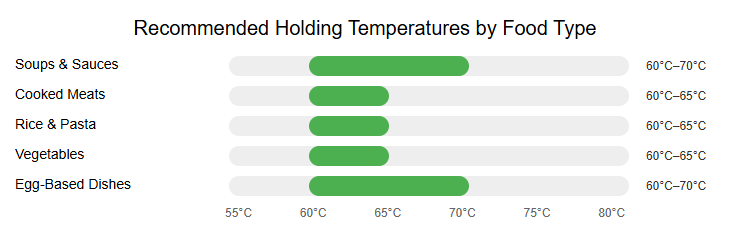
Even though bain maries don’t cook food, they must hold it at a safe serving temperature. In Australia, hot food should be kept above 60°C to prevent bacterial growth. A bain marie temperature that’s too low can place food in the “danger zone”, compromising safety.
Not all foods require the same level of heat. For example:
-
Soups and sauces may be fine at 65–70°C
-
Fried items or dense dishes might need slightly higher temps to retain their appeal
-
More delicate items may only need 60°C to stay warm without degrading
Use a food-safe thermometer regularly to check internal food temperatures, especially if you’re holding items for long periods.
3. Always Use Lids
Leaving food containers uncovered in your bain marie results in faster heat loss and can lead to food drying out. Lids help:
-
Maintain a consistent bain marie temperature
-
Lock in moisture
-
Reduce energy use by helping the unit retain heat
If you’re using a buffet-style bain marie, opt for hinged lids or sliding covers that make access easy without sacrificing heat retention.
4. Preheat Before Loading Food
A common mistake when learning how to use a bain marie to keep food warm is adding food before the unit has reached temperature. This slows down heating and can lead to food being held below the safe minimum.
Tip: Turn on your bain marie at least 20–30 minutes before service. This ensures the water (in wet heat models) or heating elements (in dry heat models) are at the correct temperature before food is loaded in.
5. Don’t Overfill Containers
Overfilling pans can prevent heat from circulating properly. Use gastronorm pans that fit snugly within the unit, and avoid stacking items too high. This ensures more even heat distribution and reduces the risk of cold spots.
Why Your Commercial Kitchen Needs a Bain Marie
Whether you’re running a restaurant, café, catering business, or hotel kitchen, a bain marie is ideal for keeping food hot, safe, and delicious. It’s not just about holding food, it’s about streamlining service, meeting food safety standards, and delivering a better experience for your customers.
With the right setup and practices in place, a bain marie food warmer will help:
-
Maintain food quality over extended periods
-
Prevent food waste by keeping dishes fresh and ready
-
Improve kitchen efficiency by holding prepped items at serving temperature
-
Meet health standards, avoiding the risks of food held in the temperature danger zone
From buffet stations and sauce holding to event catering and high-volume service, the bain marie is a workhorse that every commercial kitchen can rely on.
FAQ: The Ultimate Guide to Bain Maries
1. What is a bain marie?
A bain marie, also referred to as a hot bain marie or water bath—is a commercial kitchen appliance designed to gently keep food warm over extended periods. Instead of applying direct heat, it uses a water bath to maintain a stable temperature, preventing food from overcooking or drying out. Whether you’re running a buffet, self-serve station, or commercial kitchen, bain maries are a food warming solution that ensures both quality and food safety.
2. How does a bain marie work?
A bain marie works through indirect heating. It holds a container of food over (or surrounded by) a reservoir of heated water. This water evenly distributes heat, ensuring food remains above 60°C without continuing to cook. This method is especially ideal for delicate dishes that need gentle heating—like sauces, gravies, and custards.
3. What are the different types of bain maries?
There are several types of bain maries, including:
- Wet Heat Bain Maries: Use hot water to keep food warm with gentle heat.
- Dry Heat Bain Maries: Use direct heat without water, better for foods that don’t need moisture.
- Countertop Bain Maries: Compact and portable, ideal for small kitchens or catering.
- Freestanding Bain Maries: Larger models with multiple compartments for high-volume use.
- Induction Bain Maries: Use induction technology for precise, energy-efficient heating.
4. What is the difference between wet heat and dry heat bain maries?
- Wet Heat Bain Maries: Use hot water to provide even, indirect heat, which is ideal for keeping delicate items like sauces and soups warm without drying them out.
- Dry Heat Bain Maries: Use heating elements without water. These are quicker to heat and easier to maintain, but they are better suited for dry foods like baked goods or fried items.
5. How do I choose the right size Bain Marie for my business?
Think about your volume of service and available kitchen space. A portable bain marie or countertop bain marie works well for small-scale operations or off-site catering. For large kitchens or high-volume buffets, a freestanding bain marie offers multiple compartments to hold different dishes. Match the unit’s capacity with your busiest periods to avoid food running cold during peak service.
6. What types of food can be held in a bain marie?
A bain marie is versatile and can be used for:
- Sauces, gravies, and soups: Maintains consistency without breaking down.
- Side dishes: Such as mashed potatoes, vegetables, or rice.
- Proteins: Like cooked meats or seafood, held at safe serving temperatures.
- Desserts: Delicate items like puddings, custards, or melted chocolate can be kept warm without burning.
7. How do I clean a bain marie?
To clean a bain marie:
-
Empty the unit and remove food pans.
-
Wipe surfaces with a damp cloth and food-safe detergent.
-
For stainless steel models, avoid harsh abrasives.
-
If you’re using a wet bain marie, regularly monitor and clean the water level to prevent scale buildup, especially in areas with hard water.
-
Don’t forget to follow the manufacturer’s bain marie maintenance guide to keep your unit running safely and efficiently.
8. Is a Bain Marie energy-efficient?
Yes, certain models, especially induction bain maries, are designed to be energy-efficient. These models use precise temperature control to reduce energy consumption. Additionally, maintaining food at the correct temperature reduces waste and keeps energy use in check compared to repeatedly reheating food.
9. Can I use a bain marie for catering?
Absolutely. Portable bain maries are an essential piece of equipment for any professional catering operation. Whether you’re catering weddings, corporate functions, or off-site events, keeping food at a safe, consistent temperature is critical—not just for food quality, but for meeting food safety standards.
Unlike traditional warming methods that may cause hot spots, overcooking, or drying out, a bain marie provides gentle, uniform heating, ensuring that sauces, proteins, and sides stay fresh, moist, and ready to serve.
Here’s why a portable bain marie is ideal for catering:
-
Keeps food above 60°C during transport and service: This is the minimum safe holding temperature according to Australian food safety regulations, which helps avoid the risk of foodborne illness during long service windows.
-
Simplifies setup at venues: Portable models are compact and lightweight, allowing catering staff to quickly set up food stations without needing a full kitchen. Just plug in and go—making them ideal for pop-up catering environments or remote event spaces.
-
Reduces the need for reheating: With a bain marie, there’s no need to reheat food upon arrival, saving time and preventing quality degradation. The food stays warm and service-ready from prep to plate.
-
Flexible and configurable: Many portable bain marie units offer adjustable GN pan sizes and modular inserts, allowing caterers to serve multiple dishes—soups, stews, vegetables, sauces, or desserts—from a single unit.
-
Energy-efficient operation: Induction or dry heat models use minimal energy and can often be powered from a standard outlet, making them perfect for venues with limited electrical infrastructure.
Whether you’re managing high-volume plated service or buffet-style catering, a bain marie food warmer ensures your dishes are served at the right temperature, at the right time, without compromise.
10. What temperature should I set my bain marie to?
Bain maries typically operate between 60°C and 93°C. The exact temperature depends on the type of food being held, but it’s important to ensure that the food stays above 60°C to remain out of the “danger zone” where bacteria can grow.
11. How long can food be held in a bain marie?
12. Where can I buy a bain marie?
You can explore a range of high-quality bain maries at Caterware.com.au. We offer models suitable for all types of commercial kitchens, from small countertop units to large, freestanding models. Shop now to find the best bain marie for your business!