Rent-Try-Buy
With SilverChef |
Apply Now
Rent-Try-Buy
With SilverChef |
Apply Now


Part 3: The Sommelier’s Secret: Unlocking the Science of Perfect Wine Service & Aging in Your Establishment
12
May
Understanding Professional Wine Cellaring: The Science Behind Optimal Conditions
How Temperature, Humidity, and Light Influence Wine Maturation
Key Principles of Wine Storage for Commercial Establishments
Wine is a living product. Its development, flavour, and overall quality depend heavily on precise conditions that affect the chemical and physical processes within each bottle. For restaurateurs, sommeliers, and hospitality professionals, understanding the scientific principles governing wine maturity is essential. Variables such as temperature, humidity, and light exposure not only influence how wine ages but also how it ultimately tastes to the consumer. Correct control of these factors is key to preserving wine integrity, enhancing customer satisfaction, and optimising your wine inventory.
Imagine a commercial cellar where temperature swings wildly throughout the day, humidity varies without regulation, and fluorescent lights shine directly on the bottles. In such an environment, wines can deteriorate prematurely, resulting in flat aromas, oxidised flavours, and compromised structure. This article will dissect the roles of temperature, humidity, and light, detailing the ideal ranges for different wine types and explaining the consequences of neglecting these key elements. Practical insights and examples will provide a roadmap for professionals seeking to establish and maintain optimal wine storage conditions in commercial settings.
Precision Temperature Control for Wine Maturation
Ideal Temperature Ranges for Red, White, and Sparkling Wines
Temperature is the single most critical factor in professional wine cellaring. The rate of chemical reactions within wine increases exponentially with temperature, affecting ageing speed and flavour stability. For commercial environments, it is vital to store and serve wines within optimal temperature bands that align with their varietal characteristics and intended ageing profiles.
- Red Wines: Generally, red wines mature best between 12°C and 18°C. This moderate range slows down oxidation and biological activity, allowing complex tannins, acids, and flavour compounds to integrate over time. Heavier reds with robust tannins may benefit from the higher end of this spectrum for fuller development, while lighter reds prefer cooler temperatures closer to 12°C to maintain freshness.
- White Wines: For whites, a cooler environment of 8°C to 12°C is optimal. Lower temperatures preserve acidity and prevent premature lacing of undesirable flavours like cooked fruits or vinegary notes. Whites designed for longer ageing need tighter temperature control near 10°C, enabling the delicate floral and mineral nuances to evolve gradually.
- Sparkling Wines: Sparkling wines are best kept between 5°C and 8°C. This range maintains the effervescence and crispness central to their appeal. At higher temperatures, carbonation dissipates more quickly, leading to flat bubbles and diminished mouthfeel.
Effects of Temperature Fluctuations on Wine Quality and Ageing
Consistency matters as much as temperature itself. Fluctuations as little as 2-3°C can trigger expansion and contraction cycles inside the bottle, stressing corks and increasing the risk of oxygen ingress. This accelerates oxidation and microbial spoilage, damaging the wine’s organoleptic properties.
Imagine a cellar where daytime temperatures reach 18°C but plummet to 10°C overnight. The resulting pressure changes can compromise seal integrity, encouraging premature ageing or even cork taint. Wines stored under these conditions risk drying out or losing aromatic complexity.
Rapid temperature rises induce chemical instabilities, degrading anthocyanins in reds or volatile thiols in whites, which underpin colour and aroma. Over time, such variations reduce cellar investment value, leading to increased waste and dissatisfied customers.
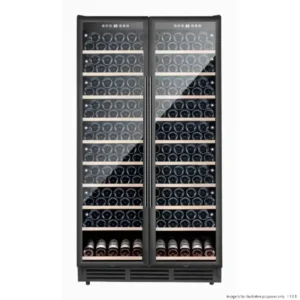
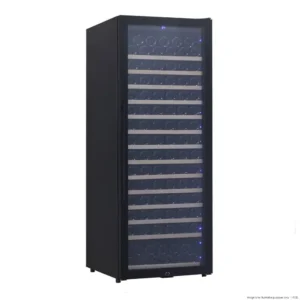

Using Wine Coolers and Cellars to Maintain Consistency
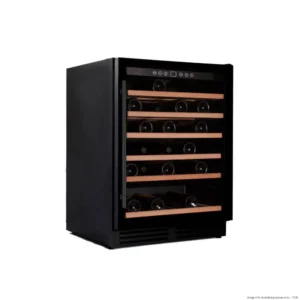
Modern wine coolers and climate-controlled cellars are engineered to provide stable environments essential for professional wine maturation. Single-zone coolers like the WB-51A Single Zone Wine Cooler, for example, offer precise digital temperature controls tailored to your selection, holding conditions steady within ±0.5°C.
For establishments with a mixed wine portfolio, multi-zone cellars offer personalised compartments for reds, whites, and sparkling wines, each optimised to their respective temperature bands. Equipping your cellar with reliable refrigeration systems, ventilation, and thermostats ensures uninterrupted service quality and safeguards long-term investment.
In addition, monitoring devices connected to alert systems can signal deviations early, allowing prompt correction before damage occurs. Training staff to understand the importance of these technologies enhances cellar management and supports consistent wine ageing outcomes.
Managing Humidity Levels for Perfect Wine Aging
Why Humidity Matters in Wine Cellaring
Humidity controls a subtle yet crucial aspect of wine preservation: cork condition. Natural corks retain wine quality by sealing bottles against oxygen and contaminants. However, if the ambient humidity is too low, corks dry out, shrinking and allowing oxygen ingress. Conversely, excessive humidity encourages mould growth and label damage, detracting from presentation and resale value.
Proper humidity balances moisture content within cork cells, ensuring flexibility and airtight sealing. This is especially important in commercial settings with high turnover or long-term storage, where cork health directly affects wine integrity and customer perception.
Optimal Humidity Ranges for Different Wine Types
The widely accepted target humidity for wine storage lies between 60% and 75% relative humidity. While this range suits most wine types equally, nuances arise depending on storage duration and bottle closure:
- Bottles with Natural Corks: Require at least 65% humidity to prevent cork shrinkage. In dry environments, cork degradation happens rapidly, shortening shelf life.
- Synthetic Corks and Screw Caps: Less sensitive to humidity, but maintaining 60–70% helps protect labels and avoid mould proliferation on bottles.
- Long-Term Aging Stocks: Should be stored towards the upper end of this spectrum (70-75%) to maximise cork resilience and minimise evaporation loss (the “angel’s share”).
Imagine a restaurant cellar where humidity fluctuates wildly from 40% on cold days to 85% during humid summers. Such instability risks repeated cork damage and mould outbreaks on stock, impacting both wine taste and brand representation.
Preventing Cork Drying and Mold Growth through Humidity Control
Commercial wine storage must include systems capable of maintaining consistent humidity levels. Hygrometers placed strategically around storage areas allow monitoring, while humidifiers or dehumidifiers compensate for environmental shifts. Sealing cracks and ensuring proper insulation also reduce moisture loss.
Regular inspections of cork condition and bottle labels catch early signs of problems. Storing bottles horizontally keeps corks in contact with wine, further preventing drying. Employing these steps avoids common cellar pitfalls and assures each bottle reaches its optimal maturity.
Light Exposure and Its Impact on Wine Preservation
Understanding UV Light Damage to Wine
Light, particularly in the ultraviolet (UV) spectrum, drives photochemical reactions that degrade wine quality. UV photons interact with phenolic compounds and riboflavin in wine, producing off-flavours often described as “lightstruck” or “skunky.” This process diminishes freshness, reduces colour vibrancy, and accelerates oxidation.
Visible light at high intensities also affects delicate aromatic molecules, especially in white and sparkling wines, diminishing their characteristic nuances. Even low levels of light exposure over extended periods can cumulatively harm wines, making protection essential in commercial environments.
Best Practices for Minimising Light Exposure in Commercial Settings
Wine cellars and display areas should prioritise low light exposure. Options include:
- Using tinted or double-glazed glass doors with UV filters on coolers.
- Locating storage away from windows and direct artificial lights.
- Employing motion-activated or low-intensity LED lighting designed for wine environments.
Imagine a busy wine bar illuminated continuously with fluorescent strips directly over bottles. Over several weeks, patrons may find some white wines lose their bright fruit characters due to steady light-induced deterioration.
Selecting Wine Cellars and Storage Solutions with Effective Light Protection
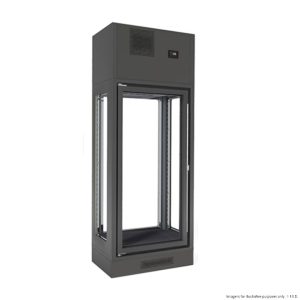
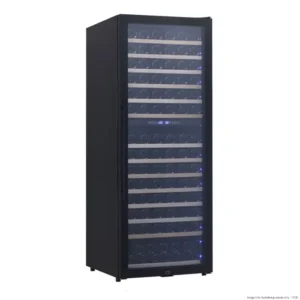
Fagor Single Zone 1 Door Black Central Wine Cellar FWC-2301-1CB
When evaluating equipment like the Fagor Single Zone Wine Cellar or similar models, consider features such as UV-blocking glass panels, enclosed cabinet designs, and integrated LED lighting. These innovations reduce the risk of photodegradation without compromising accessibility or display appeal.
Combining efficient light shielding with temperature and humidity controls establishes the foundation for long-term wine preservation. Educating staff about handling bottles with minimal light exposure during service further safeguards wine integrity.
By maintaining precise temperature bands that respect wine varietals, controlling humidity to preserve cork health, and minimising light exposure to protect flavour compounds, commercial establishments can significantly improve wine maturation outcomes. Such control not only safeguards inventory value but also enhances the sensory experience delivered to customers. Restaurateurs, sommeliers, and hospitality managers who apply these principles become true custodians of wine quality, ensuring every bottle served reflects depth, balance, and character that guests expect from professional wine cellaring.
Wine Inventory Optimisation and Restaurant Service Standards
Efficient wine inventory optimisation is crucial for any commercial establishment aiming to preserve wine quality and uphold professional service standards. Understanding how to organise and manage wine stocks ensures wines are stored correctly, accessed promptly, and served at their peak, directly impacting customer satisfaction.
Organising Wine Stocks for Accessibility and Quality Preservation
At the core of professional wine cellaring (PTK: Professional Wine Cellaring) lies precision in storage layout. Organise wines by type, reds, whites, and sparkling, and within those types, subdivide according to varietal, region, or vintage. This systematic approach reduces the time bottles spend out of controlled conditions during retrieval, minimising exposure to harmful temperature or lighting changes.
For example, imagine a busy restaurant cellar where red wines are scattered randomly among whites and sparkling bottles. Staff constantly shuffle bottles across cooling units and open cases at awkward angles, causing temperature fluctuations and light exposure that accelerate undesirable chemical reactions. This erratic handling shortens the wine’s optimal ageing window and diminishes flavour integrity.
Label shelves clearly and implement a first-in, first-out (FIFO) system for bottles intended for immediate service. For longer-term cellaring, designate separate areas with stricter environmental controls to protect wines benefiting from extended maturation. Maintain detailed inventory records with barcode or RFID tracking to monitor stock age and consumption rates, minimising overstock and spoilage.
Professional Standards for Wine Service in Hospitality
Adherence to established restaurant service standards elevates both wine quality presentation and guest experience. Temperature, glassware, pouring methods, and timing are pivotal.
Serve red wines slightly below room temperature, generally 15–18°C, to reveal their aromatic complexity without masking tannins. Whites and rosés should be chilled between 7–12°C, depending on body and style. Sparkling wines are best served colder, at about 6–9°C, to preserve effervescence and crisp acidity.
Glassware selection plays a scientific role; proper aeration in a tulip-shaped glass can enhance volatile aromatic compounds, improving sensory perception. Sommeliers should avoid over-pouring, typically 120–150ml per serving, to maintain wine integrity within the glass during consumption.
Imagine a situation where a sommelier presents a mature Bordeaux at 25°C in a narrow flute; the elevated temperature and unsuitable glass shape will mask boxwood or tobacco notes, resulting in a flat palate impression and underwhelmed guests. Stringent service protocols prevent such errors.
Best Practices from Sommeliers and Head Chefs
Seamless collaboration between sommeliers and kitchen leadership fosters holistic guest satisfaction. Early communication about menu changes allows sommeliers to recommend appropriate wine pairings, ensuring the service complements culinary profiles.
Training staff on wine handling and opening techniques, such as decanting older reds to separate sediment or aerate closed wines, reduces the risk of spoilage or off-flavours. Routine checks on wine storage areas reinforce consistency in temperature, humidity, and cleanliness.
Regular rotation and condition inspection identify bottles at risk of cork taint or leaks, allowing timely removal. This proactive approach reflects professional wine cellaring principles and upholds restaurant service standards.
In sum, meticulously optimising wine inventory and maintaining rigorous service practices safeguard both the wine’s sensory qualities and your establishment’s reputation.
Advanced Sommelier Best Practices for Enhancing Customer Satisfaction
Experienced sommeliers integrate scientific understanding of wine maturation with precise service techniques to maximise customer enjoyment. Awareness of chemical and physical wine transformations informs every touchpoint, from cellar management to table presentation.
Integrating Scientific Cellaring Knowledge into Daily Wine Service
An advanced sommelier recognises that wine is a living product sensitive to environmental variables. For instance, oxidative reactions accelerate rapidly above 20°C, drastically shortening the ideal drinking window for many red wines. Knowing this, sommeliers ensure the serving environment, including the glass, cellar-to-table transport, and even the dining room’s ambient conditions, maintains a stable temperature within recommended ranges.
Imagine presenting a delicate white Burgundy after it has been stored improperly at inconsistent temperatures, causing a loss of acidity and emergence of unpleasant sulphur notes. Expert knowledge prevents such pitfalls by enforcing strict cellar protocols and swift, controlled service transitions.
Factors Affecting Wine Presentation and Customer Experience
Beyond temperature, factors influencing presentation include bottle condition, glass cleanliness, decanting practices, and pour temperature. Cork integrity is vital; a compromised cork can allow premature oxidation or microbial contamination, severely affecting taste. Sommeliers should inspect corks visually and olfactorily before service.
Proper decanting releases aroma compounds trapped in the bottle, especially in younger reds or complex, aged wines. However, exposing an older, fragile wine to excessive oxygen risks rapid deterioration, necessitating nuanced judgement.
Serving temperature affects not just flavour but also mouthfeel and aromatic perception. For example, chilled red Burgundies soften tannins and highlight fruit character better than a warm pour.
Thoughtful staff training ensures each stage of wine presentation aligns with scientific principles, preserving the wine’s character and enhancing guest satisfaction.
Actionable Tips for Training Staff on Wine Handling and Service
- Temperature Awareness: Train staff to use wine fridges and thermometers for consistent service temperatures.
- Glassware Protocols: Standardise glassware selection per wine category, ensuring clean, scratch-free glasses.
- Handling Practices: Instruct on minimal bottle agitation and immediate re-corking after pours.
- Decanting Techniques: Demonstrate timing differences between young and old wines for aeration or sediment separation.
- Cork Examination: Educate staff to detect cork faults and communicate concerns to sommeliers.
Develop checklists incorporating these steps to enforce accountability and uniform standards, promoting a high-calibre service environment.
By applying these best practices grounded in PTK: Professional Wine Cellaring knowledge and scientific insight, sommeliers and hospitality teams can greatly enhance the development, preservation, and presentation of wines, ultimately enriching the dining experience for patrons.
Implementing precision control over temperature, humidity, and light exposure through PTK: Professional Wine Cellaring principles directly protects wine quality from cellar to table. Proper wine inventory optimisation and adherence to restaurant service standards prevent premature ageing, flavour degradation, and presentation errors. Sommeliers equipped with advanced scientific understanding improve wine service accuracy, safeguarding sensory integrity and elevating customer satisfaction.
By systematically managing these variables, commercial establishments not only preserve the intrinsic value of their wine collections but also reaffirm their status as knowledgeable industry experts dedicated to exceptional wine maturation and service.
For expert guidance on refining your wine cellaring processes and service protocols, contact 1802 22837 1 today. Our specialised consulting will help you maximise wine quality and deliver memorable guest experiences with confidence.