 Rent-Try-Buy
With SilverChef |
Apply Now
Rent-Try-Buy
With SilverChef |
Apply Now


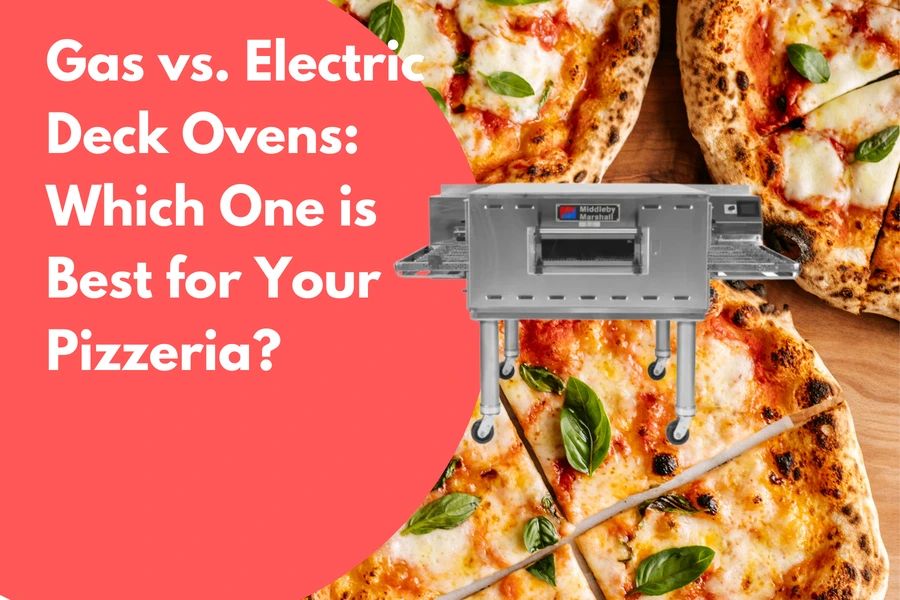
Gas vs. Electric Deck Ovens: Which One is Best for Your Pizzeria?
10
Apr
The Oven You Choose Will Define Your Pizza And Your Profit Margins
In any pizzeria, the deck oven is the heart of the operation. It’s where raw ingredients are transformed into your signature product, and even small differences in heat control or consistency can have a noticeable impact on the final result.
When comparing a Gas vs. Electric Pizza Oven, the first thing to understand is how each type generates and distributes heat. Gas deck ovens use open flame burners to create intense, radiant heat, which is ideal for achieving that traditional, slightly charred base many customers associate with authentic pizza. Electric deck ovens, on the other hand, rely on heating elements that provide a more controlled and even distribution of heat across the cooking surface.
This difference affects not only the texture and flavour of your pizzas but also how easy the oven is to operate. Gas ovens tend to offer raw power and speed, while electric ovens provide precision and consistency. Neither is inherently better it depends on your concept, volume, and level of control you require during service.
For high-volume environments, consistency can be just as important as speed. A kitchen that produces hundreds of pizzas per night needs equipment that delivers the same result every time, regardless of who is operating it. This is where understanding the strengths of each option becomes critical.
Gas Deck Ovens: Power, Speed, and Traditional Results
Why many pizzerias prefer gas when performance and authenticity matter
Gas deck ovens have long been the preferred choice for traditional pizzerias, and for good reason. Their ability to generate high, intense heat makes them ideal for cooking pizzas quickly while achieving a crisp base and slightly blistered crust.
One of the biggest advantages of gas ovens is their responsiveness. They heat up quickly and recover temperature faster between batches, which is essential during peak service. This allows your kitchen to maintain a steady output without long waiting times between orders.
From a cost perspective, gas is often more economical to run than electricity, particularly in high-volume operations. Over time, this can result in significant savings, especially for businesses operating long hours or producing large quantities of pizzas.
However, gas ovens do require proper ventilation and gas connections, which can increase installation complexity. They may also require more skill to operate effectively, as temperature control is less precise compared to electric models. For experienced chefs, this flexibility is an advantage, but for less experienced staff, it can introduce variability.
Caterware supplies a wide range of commercial cooking equipment designed to handle the demands of busy kitchens, ensuring that whichever option you choose, it performs reliably under pressure .
Electric Deck Ovens: Precision, Consistency, and Ease of Use
When electric ovens are the smarter choice for control and reliability
Electric deck ovens are often chosen for their consistency and ease of operation. Because they use heating elements rather than open flames, they provide a more stable and evenly distributed heat across the deck, reducing the risk of hot spots.
This level of control makes electric ovens particularly well-suited to kitchens where consistency is critical.
This precision also supports food safety compliance. According to the Food Standards Australia New Zealand, potentially hazardous food must be kept at 5°C or colder or 60°C or hotter to prevent bacterial growth. Reliable temperature control, which electric ovens are known for, plays a key role in maintaining these standards during service.
Each pizza is cooked under the same conditions, which helps maintain quality regardless of who is operating the oven.
Installation is generally simpler as well, as electric ovens do not require gas connections or extensive ventilation systems. This makes them a practical option for locations where gas infrastructure is limited or unavailable.
While electricity costs can be higher depending on your location, electric ovens often compensate with efficiency and reduced waste. The ability to fine-tune temperature settings means less trial and error, fewer burnt pizzas, and more predictable results during service.
Caterware’s hybrid “clicks-and-mortar” model allows operators to compare different oven types online and then visit the showroom to see how they perform in real-world conditions, helping you make a more informed decision .
Avoid the Wrong Choice: Key Factors Most Buyers Overlook
What to consider when choosing between Gas vs. Electric Pizza Oven setups
Many pizzeria owners focus only on upfront cost or personal preference when choosing an oven, but there are several other factors that can have a significant impact on your long-term success.
Volume is one of the most important considerations. If you expect high demand, a gas oven’s faster recovery time may be essential. On the other hand, if your focus is on consistency and quality over speed, an electric oven may be the better fit.
Space and infrastructure also play a role. Gas ovens require proper ventilation and connections, which may not be feasible in all locations. Electric ovens offer more flexibility in this regard, making them easier to install in smaller or more constrained spaces.
Staff experience is another key factor. If your team includes highly skilled pizza chefs, a gas oven gives them greater control and flexibility. If not, an electric oven can help standardise output and reduce the learning curve.
Finally, consider your brand and product style. If you’re aiming for a traditional, artisan-style pizza with a charred finish, gas may align better with your vision. If you prioritise consistency and scalability, electric may be the smarter choice.
Caterware’s experience in supplying and designing commercial kitchens helps operators navigate these decisions, ensuring the chosen equipment aligns with both current needs and future growth .
Choose the Right Oven for Long-Term Success at Caterware
How the right Gas vs. Electric Pizza Oven decision impacts growth and profitability
The decision between a gas and electric deck oven goes far beyond how your pizzas are cooked it plays a defining role in how your entire pizzeria operates, both now and into the future. The oven you choose will influence your kitchen’s speed, consistency, energy usage, and even how easily your team can maintain quality during peak service. When you make the right choice, you are not just improving cooking performance you are creating a more efficient workflow, reducing long-term operating costs, and ensuring every pizza that leaves your kitchen meets the standard your brand promises. Over time, these advantages compound, helping you build a stronger reputation, increase customer satisfaction, and ultimately drive higher profitability.
Caterware supports this long-term approach by offering a carefully selected range of both trusted third-party brands and its own proprietary Caterware Range. This combination gives pizzeria owners the flexibility to choose equipment that aligns perfectly with their concept, whether that means prioritising traditional high-heat performance or precise, consistent control. The in-house Caterware Range is particularly valuable, as it is designed specifically for commercial environments, delivering reliable performance at competitive price points. This allows you to invest in quality equipment without stretching your budget, ensuring you get the best possible return on investment while maintaining confidence in your kitchen’s capabilities.
Another key advantage is Caterware’s physical showroom and warehouse located in Molendinar. Unlike purely online suppliers, Caterware gives you the opportunity to see and assess equipment in person before making a final decision. This hands-on experience is especially important when investing in a critical piece of equipment like a deck oven, where factors such as build quality, size, and usability can significantly impact your daily operations. Being able to compare options, ask questions, and gain practical insights helps remove uncertainty and ensures you are making an informed choice that will support your business for years to come .
What Pizzeria Owners Ask Before Buying a Deck Oven
Is gas or electric better for pizza ovens?
It depends on your needs. Gas offers higher heat and faster recovery, while electric provides more precise control and consistency.
Which is cheaper to run?
Gas is often cheaper for high-volume operations, but this varies depending on local energy costs.
Are electric ovens easier to use?
Yes, they are generally more user-friendly and require less manual adjustment.
Do gas ovens cook pizza faster?
Typically, yes. Their higher heat output allows for quicker cooking times and faster recovery between batches.
Can Caterware help me choose the right oven?
Yes, Caterware provides expert guidance and a wide range of commercial kitchen equipment to suit different business needs .
Make the Right Call Before Your Next Service Rush
Your oven is one of the most important investments you’ll make in your pizzeria. Choosing the right one ensures smoother service, better product quality, and stronger long-term performance.
With over 35 years of combined industry expertise and a comprehensive product range, Caterware is well-positioned to help you make the right decision. Their practical approach and competitive pricing make them a trusted partner for hospitality businesses across Australia .
Demand for high-quality pizza ovens is always strong, especially in busy hospitality regions. Securing the right equipment now ensures you’re ready for your next service rush.
Call (07) 5597 5599
Email info@caterware.com.au
Or visit https://www.caterware.com.au/ to explore your options today
Because the right oven doesn’t just cook pizza it defines your entire operation.