Rent-Try-Buy
With SilverChef |
Apply Now
Rent-Try-Buy
With SilverChef |
Apply Now



Commercial Pizza Ovens: 9 Insider Secrets to Choosing, Using, and Maintaining the Perfect Oven
07
Feb
If you’re running a pizzeria or any food service business that offers pizza on the menu, selecting the right commercial pizza oven can make or break your operation. After all, the right oven doesn’t just heat dough and toppings—it transforms them into a mouth-watering experience that keeps customers coming back for more.
In today’s in-depth guide, we’ll cover everything you need to know about commercial pizza ovens: from understanding the different types of ovens to best practices for maintenance and cleaning. By the end, you’ll be fully equipped to pick the perfect model for your specific needs and optimize your pizza output like a pro.
Let’s jump in.
Table of Contents
- Why Commercial Pizza Ovens Matter
- Types of Commercial Pizza Ovens
- Key Features and Specifications
- Essential Pizza Equipment and Accessories
- How to Choose the Right Commercial Pizza Oven
- Real-World Example: Caterware’s Top-Selling Pizza Ovens
- Maintenance and Cleaning: The Key to Longevity
- Expert Strategies to Maximize Oven Performance
- Frequently Asked Questions (FAQ)
- Conclusion and Next Steps
Why Commercial Pizza Ovens Matter
When most people think about pizza, they think about taste, crust texture, and delicious toppings. But behind every great pizza is a dependable oven. A commercial pizza oven ensures:
- Consistency: Deliver the same delicious result every time.
- Efficiency: Produce pizzas at scale, vital during lunch or dinner rush.
- Versatility: Bake different styles of pizza—Neapolitan, New York-style, deep-dish—and even other menu items.
The right oven pays for itself in customer satisfaction, improved workflow, and potential revenue growth. It’s an investment that any pizzeria or restaurant looking to capitalize on the enduring popularity of pizza should make wisely.
Types of Commercial Pizza Ovens
Choosing the perfect commercial pizza oven starts with understanding the different varieties. Each type has its own pros, cons, and ideal use cases.
1. Deck Pizza Ovens
Overview
- These are among the most popular commercial pizza ovens, featuring one or more “decks” or flat surfaces where pizzas are placed directly on stone or metal.
- They operate at high temperatures (often up to 400°C or more), creating a crisp crust.
Advantages
- Produces an authentic, artisan-style pizza with a nicely browned crust.
- Allows you to cook multiple pizzas simultaneously on different decks.
Drawbacks
- Can be slower than conveyor ovens in high-volume settings.
- Requires a bit more skill to maneuver pizzas for even cooking.
Who Needs It?
- Small to medium pizzerias aiming for artisanal quality.
- Restaurants that value the classic “baked on stone” approach.
2. Conveyor Pizza Ovens
Overview
- Known for their conveyor belt system, these ovens move pizzas through a heated chamber at a consistent speed.
- Ideal for high-volume production where speed and uniformity are crucial.
Advantages
- Extremely efficient and consistent; set the time and let the conveyor do the rest.
- Great for busy fast-casual pizza places and chain restaurants.
Drawbacks
- Typically more expensive to purchase and maintain.
- Lacks the “artisanal” feel of a deck or wood-fired oven.
Who Needs It?
- High-volume pizzerias and busy restaurants.
- Operations where consistency and speed outweigh artisan presentation.
3. Countertop Pizza Ovens
Overview
- Compact units designed to sit on a countertop.
- Perfect for small cafés, food trucks, or businesses with limited space.
Advantages
- Minimal footprint, easy to install, and often runs on a standard power supply.
- Affordable and straightforward to operate.
Drawbacks
- Limited capacity; may struggle during peak hours.
- Often narrower temperature ranges compared to full-sized ovens.
Who Needs It?
- Small-scale operations or businesses offering pizza as a secondary menu item.
- Locations with restrictive space or lower customer volume.
Upgrade Your Pizza Game Today!
Get the best commercial pizza ovens with flexible SilverChef financing—no upfront costs, just great pizza. Shop Now
Key Features and Specifications
When evaluating your commercial pizza oven options, here are some essential specs to keep in mind:
Temperature Range
- Most commercial ovens can reach 400°C or more.
- Higher temperatures are crucial for quick bakes, ensuring a crunchy crust and evenly melted toppings.
Capacity and Throughput
- Think about how many pizzas you can bake per hour.
- Conveyor ovens often handle a higher throughput, while deck ovens offer more artisanal control.
Energy Source
- Gas: Typically cheaper in long-term operating costs, though initial setup may require specific gas lines.
- Electric: Easier to install, often with more precise temperature control, but may be costlier to run depending on local electricity rates.
Construction Materials
- Stainless Steel: Durable and easy to clean.
- Stone Decks: Provide superior heat retention and crisp crusts.
- Insulation: Proper insulation improves energy efficiency and cooking consistency.
Essential Pizza Equipment and Accessories
Your commercial pizza oven is the star of the show, but it’s far from a one-man act. Let’s explore the supporting cast:
Pizza Screens and Trays
- Aluminum Pizza Screens: Promote even heat distribution. Great for crispy bottoms.
- Aluminum Pizza Trays: Ideal for both baking and serving.
- Size and Rim Choices: Narrow rim vs. wide rim can affect crust texture and presentation.
Pro Tip: Rotate your pizza screens and trays to avoid uneven wear and tear. This simple practice extends their lifespan and ensures consistent baking results.
Pizza Prep Equipment
- Dough Mixers: Consistent dough quality is paramount in commercial pizza production. A robust mixer helps you prepare dough quickly.
- Dough Sheeters: Time-saver for high-volume kitchens, ensuring uniform thickness.
- Pizza Prep Tables: Keep ingredients organized and temperature-controlled during busy shifts.
Smallwares
- Pizza Peels: To slide pizzas in and out of the oven safely.
- Cutters and Rocker Knives: For fast and clean slicing.
- Portion Scoops: Helps maintain consistent sauce and topping distribution.
How to Choose the Right Commercial Pizza Oven
Now that you have a sense of available oven types and complementary equipment, let’s break down how to choose the perfect model.
Assess Your Volume and Menu
- Daily Pizza Output: Estimate how many pies you need to produce during peak hours.
- Pizza Styles: Do you specialize in thin crust, Neapolitan, New York-style, or thick-crust? Each style may demand different temperature settings and baking times.
Consider Your Kitchen Layout
- Footprint: Measure your kitchen space before choosing a massive deck or conveyor oven.
- Ventilation: Some ovens require specialized hoods or vents, impacting costs and regulations.
Budget and ROI
- Initial Purchase: Electric countertop ovens are cheaper upfront, while gas or conveyor ovens might offer better long-term ROI if you’re producing high volumes.
- Maintenance Costs: Factor in part replacements, cleaning, and potential downtime.
Pro Tip: Don’t forget your total cost of ownership over time. A slightly pricier oven with better energy efficiency could save you thousands in electricity or gas bills down the road.
Real-World Example: Caterware’s Top-Selling Pizza Ovens
If you want a quick snapshot of commercial pizza ovens that balance quality and value, here are some standout models worth investigating:
- BakerMax Countertop Double Deck Electric Pizza Oven (EP-2T/15)
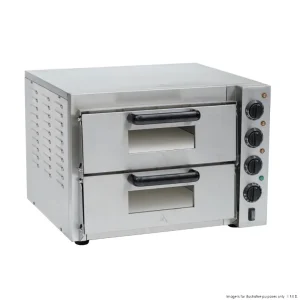
- Ideal for smaller restaurants and cafés.
- 15 Amp power requirement means simpler electrical setup.
- Reach up to 400°C for perfectly crisp pies.
- Bakermax Pizza Conveyor Oven Electric (HX-1E)
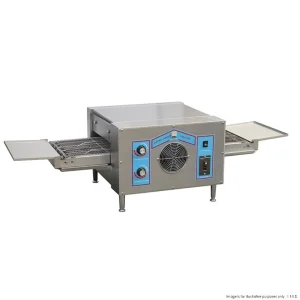
- Perfect for high-volume production.
- Conveyor system ensures consistent results every time.
- Energy-efficient design reduces operating costs.
- Anvil 2 Deck Pizza Oven (POA1001)
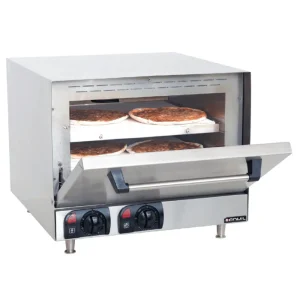
- Dual-deck configuration for simultaneous cooking.
- Broad temperature range for versatile baking.
- A great balance between artisanal feel and throughput.
These ovens cater to a wide array of business sizes and styles—whether you’re aiming for artisanal authenticity or quick-fire convenience.
Not Sure Which Oven is Right for You? Talk to our experts and explore hassle-free financing options tailored to your business. Request a Free Consultation
Maintenance and Cleaning: The Key to Longevity
Just like any piece of commercial kitchen equipment, your pizza oven requires routine care to maintain performance and hygiene standards.
Daily Cleaning Tips
- Wipe Down Decks: Remove crumbs and residues with a soft brush or cloth.
- Check Spills: Pay attention to sauce drips or cheese melts that can burn onto surfaces.
- Clean Trays and Screens: Soak them if needed, and remove any excess buildup.
Weekly and Monthly Maintenance
- Deep Clean: Unplug electric ovens or shut off gas lines before cleaning critical components like heating elements or burners.
- Inspect for Wear: Check conveyor belts (if you have a conveyor oven), thermostat accuracy, and any visible signs of damage.
- Stone Deck Care: Gently scrape or brush off carbon buildup; never use harsh chemicals.
Safety Checks
- Gas Lines: Ensure there are no leaks and that connections are secure.
- Electrical Components: Frayed cords or faulty wiring can become fire hazards.
- Ventilation Systems: Clean filters and hoods regularly to avoid grease buildup and maintain airflow.
Expert Strategies to Maximize Oven Performance
- Preheat Properly: Give the oven enough time to reach its optimal temperature. Rushing this step can lead to undercooked pizza centers.
- Rotate and Shuffle: In deck ovens, rotate pizzas halfway through cooking for an even bake.
- Track Cook Times: Consistency matters. If you find that 8 minutes at 400°C produces the perfect crust, stick to that timing.
- Use the Right Tools: Pizza screens can provide a crisp crust faster; trays retain more heat. Choose based on your style.
- Calibrate Your Thermostat: Test your oven temperature monthly to ensure it matches the readout.
Frequently Asked Questions (FAQ)
Q1: Gas vs. Electric—Which Is Better?
It depends on your kitchen setup and local utility costs. Gas ovens often have lower operating costs over time, but electric ovens can be easier to install and manage.
Q2: How Often Should I Clean My Pizza Oven?
A quick wipe-down daily, with a deeper clean weekly or monthly, keeps your oven in top shape and ensures food safety.
Q3: What’s the Best Temperature for Baking Pizza?
A range between 300°C and 400°C is common. However, specialty pizzas (like Neapolitan) often require temperatures above 400°C.
Q4: Are Conveyor Ovens Worth the Investment for a Small Pizzeria?
Generally, if you’re expecting high volume, a conveyor oven might be your best friend. But for small artisan shops that value a traditional crust, deck or wood-fired ovens might be more suitable.
Q5: Can I Bake Other Foods in a Commercial Pizza Oven?
Absolutely. From garlic bread to flatbreads and even roasted vegetables, a commercial pizza oven is versatile enough to handle a range of menu items.
Conclusion and Next Steps
Choosing the right commercial pizza oven is a crucial decision for any pizza-focused food business. Whether you’re a budding pizzeria owner, a seasoned restaurateur expanding the menu, or a food truck operator, the right oven can elevate your pizza from “okay” to “unforgettable.” Keep these core points in mind:
- Match your oven type to your restaurant’s volume and style (deck, conveyor, countertop, or wood-fired).
- Invest in essential pizza accessories like screens, trays, and prep equipment for consistent and efficient results.
- Perform regular maintenance and cleaning to ensure longevity and peak performance.
If you’re ready to take the next step, explore professional oven options from trusted suppliers like Caterware. By selecting a high-quality commercial pizza oven and pairing it with the right accessories, you’ll be well on your way to crafting pizzas that draw rave reviews and loyal customers.
Ready to start baking up a storm?
- Evaluate your current and future volume needs.
- Browse Caterware’s array of deck and conveyor ovens.
- Reach out for a personalized quote or further guidance.
By following the strategies and tips outlined in this guide, you’ll not only delight your customers but also streamline your kitchen operations for maximum efficiency and profit.
Now, get that dough ready and start crafting pizzas your patrons will never forget!