 Rent-Try-Buy
With SilverChef |
Apply Now
Rent-Try-Buy
With SilverChef |
Apply Now


Sous Vide, Salamanders & More: Your Guide to Specialty Cooking Tools for Modern Kitchens
12
Jan
Precision and Power: Mastering Specialty Cooking Tools
In a professional kitchen, precision is everything. When consistency, temperature control, and specialised results are required, everyday equipment may fall short. That is where specialty cooking tools come into play. From the delicate science of sous vide to the rapid caramelisation capabilities of salamander grills, specialty cooking equipment offers chefs the control and finesse needed to elevate their culinary output.
For culinary students and seasoned chefs alike, understanding these tools is vital. These are not just fancy gadgets. They are essential instruments for achieving results that meet modern expectations for quality, speed, and innovation. This article explores key types of specialty cooking tools, how they work, what to consider when buying them, and how they contribute to a more efficient and precise kitchen.
Sous Vide Cooking: Science, Safety, and Superior Texture
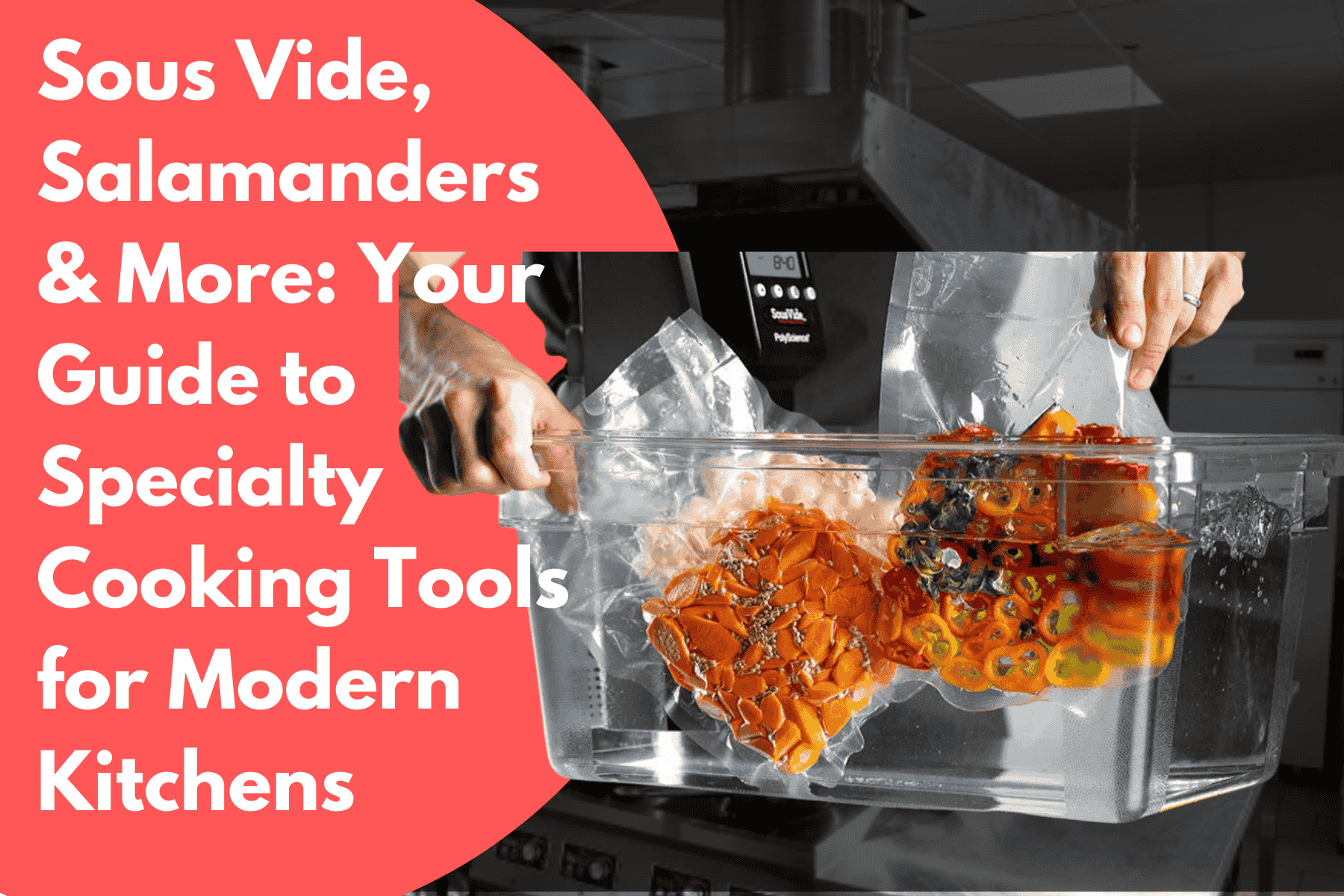
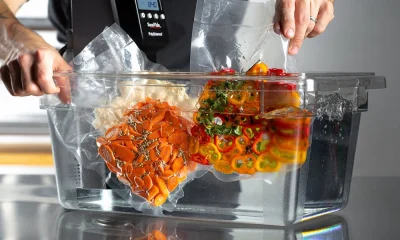
Sous vide is no longer confined to fine dining establishments. This once niche method has become mainstream in commercial kitchens due to its ability to produce consistent, high quality results. Sous vide, which means “under vacuum” in French, involves sealing food in an airtight plastic pouch and cooking it in a water bath at a precisely controlled temperature.
Unlike traditional cooking methods that often result in uneven doneness, sous vide ensures every part of the ingredient is cooked to the exact desired level. For example, a steak cooked at 56 degrees Celsius will be perfectly medium rare from edge to edge. This level of control is particularly useful for proteins like beef, pork, poultry, and fish, which can easily dry out or become overcooked through conventional methods.
Aside from perfect doneness, sous vide cooking preserves moisture and enhances natural flavour. The vacuum seal locks in juices and aromas, making the end result more flavourful. Additionally, it reduces the need for excessive seasoning or sauces to compensate for moisture loss.
Sous vide equipment typically consists of an immersion circulator, vacuum sealer, and food grade pouches. When choosing an immersion circulator for a commercial kitchen, chefs should look for models with high power output, durable construction, and precise digital temperature controls. A flow rate of at least 12 litres per minute is generally suitable for larger kitchen operations.
Safety is a key consideration. Since food is cooked at relatively low temperatures over long periods, it must be vacuum sealed and properly chilled if not served immediately to avoid bacterial growth. Therefore, implementing correct procedures and investing in blast chillers for safe storage is crucial.
Food Standards Australia identifies time and temperature control as essential to food safety, particularly when handling meat and vacuum-sealed foods in commercial kitchens. Precision cooking methods supported by accurate temperature monitoring and rapid cooling help kitchens maintain compliance while delivering consistent results.
What Is a Salamander Grill? When and Why to Use One
A salamander grill is a high temperature overhead broiler typically used in commercial kitchens for finishing tasks such as gratinating, browning, caramelising, or keeping dishes warm without overcooking. Unlike conventional ovens or grills, a salamander delivers intense, direct radiant heat from above, allowing chefs to quickly finish or reheat dishes with precision and control.
One of the primary advantages of a salamander is its responsiveness. The grill heats up rapidly and can reach temperatures exceeding 800 degrees Celsius. This allows chefs to achieve a golden crust on dishes like French onion soup, pasta gratin, or crème brûlée in seconds. It is also commonly used for melting cheese, flash heating meats, or crisping skin on fish or poultry after sous vide cooking.
Commercial salamanders come in electric and gas powered models. Key features to consider when purchasing include adjustable rack heights, variable heat settings, and ease of cleaning. Some models offer infra red burners for consistent heat distribution and energy efficiency.
Proper positioning is also essential. Salamanders are usually wall mounted above cooking stations or placed atop range ovens. This makes them easily accessible during service but also requires adequate ventilation due to the high heat output. While not suitable for all tasks, when used correctly, a salamander is a powerful tool for adding visual appeal and texture to dishes.
Specialty Tools You Did Not Know You Needed (But Do)
Beyond sous vide machines and salamanders, there is a whole range of specialty cooking equipment that can streamline prep work, support advanced techniques, and expand menu possibilities. These tools may not be used in every dish, but for specific tasks, they can be indispensable.
Induction Woks: Designed for high efficiency stir frying, induction woks combine the speed of traditional gas flames with the energy efficiency of induction cooking. They heat rapidly and provide pinpoint temperature control, ideal for Asian cuisine and fast service kitchens.
Pasta Boilers: For establishments with Italian cuisine or high pasta turnover, a dedicated pasta boiler can dramatically improve consistency and reduce cooking times. These machines maintain a steady boil and include baskets for easy batch processing.
Vacuum Packaging Machines: Essential for sous vide cooking but also useful for bulk portioning, vacuum packing extends shelf life and reduces waste. Double chamber vacuum machines offer high throughput for larger kitchens, while single chamber models are suitable for moderate use.
Blast Chillers: Often overlooked, blast chillers are crucial for food safety in kitchens using sous vide or bulk cooking methods. They reduce core food temperature quickly, limiting the risk of bacterial growth and ensuring compliance with food safety standards.
Combi Ovens with Programmable Cycles: While not exclusive to specialty cooking, combi ovens with advanced programming and humidity control allow for precise baking, steaming, and roasting. They are ideal for multi stage cooking processes and bulk preparation with consistent outcomes.
Common Mistakes with Specialty Equipment and How to Avoid Them
Despite the many advantages of specialty cooking tools, they come with a learning curve. Misuse or misunderstanding can lead to poor results, wasted product, or even safety hazards. Here are common mistakes and how to avoid them.
- Incorrect Temperature Settings: Especially with sous vide, precision is key. Using the wrong temperature can result in unsafe or unpalatable food. Always double check recipes and ensure calibration of your devices.
- Poor Sealing Practices: Vacuum sealing for sous vide requires tight, airtight seals. Any leak can cause bags to float, resulting in uneven cooking. Use quality vacuum sealers and inspect seals before immersion.
- Overreliance on Automation: Specialty tools can offer automation, but they do not replace culinary judgement. For instance, a combi oven may have a programmed cycle for a dish, but variables like ingredient size or initial temperature still require chef supervision.
- Misplacement or Poor Ventilation: Salamanders and other high heat equipment must be installed with proper clearance and ventilation. Improper setup can lead to safety issues or heat damage to surrounding equipment.
- Not Training Staff Properly: Introducing new tools without training leads to misuse. Take the time to train all kitchen staff on how and when to use specialty tools, including cleaning and maintenance.
Avoiding these pitfalls ensures that these investments enhance productivity and food quality rather than becoming underutilised or problematic additions.
Buying Tips: What to Look for in Quality Specialty Cooking Tools
Purchasing specialty cooking tools requires more scrutiny than standard kitchen equipment. Here are some expert tips when evaluating potential additions.
Build Quality and Materials: Look for stainless steel construction, particularly 304 grade for hygiene and corrosion resistance. Moving parts should feel sturdy, and seals or gaskets should be replaceable.
Temperature Accuracy and Control: Digital controls are preferred for sous vide circulators, combi ovens, and other precision equipment. Equipment should have a minimal variance from the set temperature.
Warranty and Serviceability: Tools that require regular maintenance should have easily accessible parts and manufacturer support. Caterware, for instance, offers a 12 month warranty on its Caterware branded tools and components, which is an important safeguard for busy commercial kitchens.
Capacity vs Demand: Choose equipment that matches your kitchen’s output. Oversized equipment can be inefficient in smaller kitchens, while underpowered units may not keep up during peak service.
Ease of Use: User friendly interfaces reduce training time and the risk of errors. Prioritise tools with clear manuals, straightforward controls, and logical layouts.
Safety Features: Automatic shut offs, thermal protection, and low water alerts are important, especially in high risk environments or tools that run for extended periods.
Trusted Brands and Technical Specs: What the Pros Recommend
Chefs who work with specialty tools daily tend to develop brand loyalty based on reliability and results. Some brands to consider include:
Polyscience: Known for high end sous vide immersion circulators with laboratory grade precision.
Rational: A premium name in combi ovens, known for smart features, programming, and efficient cooking cycles.
Blue Seal and Waldorf: Trusted for their commercial salamander grills, often found in larger kitchens.
Caterware Range: Offers competitively priced, Australian certified tools with professional features and robust construction. Products include salamanders, prep benches, fridges, and more, designed with commercial users in mind.
Atosa and Giorik: Regularly stocked by Caterware, these brands provide value for money with commercial grade performance in refrigeration, cooking, and holding equipment.
Reviewing technical specs such as power rating, temperature range, water circulation rate, and programmability can help you make an informed decision.
Elevate Your Craft: Next Steps for Tool-Savvy Chefs
Specialty cooking tools are not just accessories. They are extensions of a chef’s capability to create, replicate, and innovate at scale. For culinary students, familiarity with this equipment provides a competitive edge in training kitchens and future employment. For working chefs, investing in and mastering specialty tools leads to better food, greater consistency, and more efficient kitchen operations.
Whether you are refining your mise en place with a vacuum sealer or perfecting the sear on sous vide meat under a salamander, each tool adds precision and professional polish to your dishes.
If you are ready to elevate your kitchen, Caterware offers a curated range of specialty tools built to meet Australian standards and the high expectations of today’s chefs. With a focus on functionality, quality, and value, Caterware’s offerings are designed to help chefs perform at their best.
What Chefs and Culinary Students Want to Know
What is the main benefit of sous vide cooking for chefs?
Sous vide offers precise temperature control, which ensures even cooking, enhanced flavour retention, and consistent results across multiple portions.
Is a salamander grill necessary in every commercial kitchen?
While not essential in all kitchens, salamanders are invaluable in establishments that prioritise finishing dishes with crisp textures or visual appeal, such as grilled cheese, browned gratins, or flash reheated plates.
Are specialty tools hard to maintain?
Most modern specialty tools are designed for easy maintenance, especially those built for commercial use. Regular cleaning and following manufacturer guidelines will ensure longevity.
How can students gain experience with this equipment?
Many culinary schools now include sous vide and salamander use in training modules. Additionally, students can look for internships or part time roles in kitchens that use advanced tools.
Caterware
Call us now: (07) 5597 5599
Email us: info@caterware.com.au
Visit our website and order online: www.caterware.com.au
Showroom: 2/6 Resources Ct, Molendinar QLD 4214