 Rent-Try-Buy
With SilverChef |
Apply Now
Rent-Try-Buy
With SilverChef |
Apply Now


The Ultimate Guide to the Best Upright Refrigerators for Your Commercial Kitchen
19
Jan
Choosing the best upright refrigerator isn’t just about storage – it’s about protecting your ingredients, complying with health regulations, and keeping your kitchen running at full speed. For restaurant owners and caterers, a reliable commercial fridge is the backbone of day-to-day operations.
But with dozens of models on the market, how do you pick the right one?
This guide will break down everything you need to know: from must-have features and sizing tips to energy efficiency and warranty considerations. Whether you’re fitting out a brand-new kitchen or replacing outdated equipment, our practical, no-nonsense advice will help you make a confident choice that suits your workflow and budget.
Let’s help you find the upright fridge that works as hard as you do.
Understanding Upright Commercial Refrigerators: What Makes Them Different
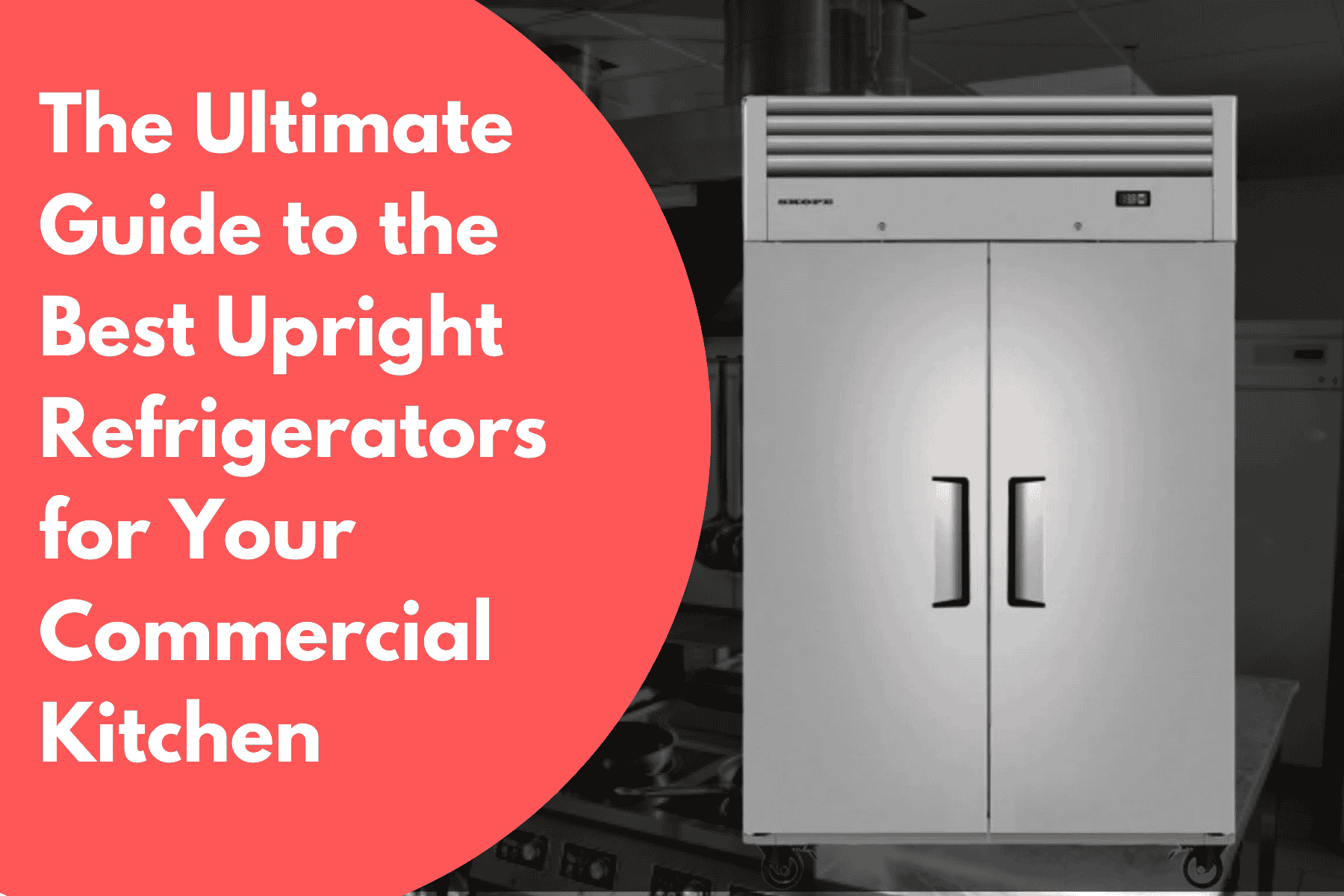
Upright refrigerators are among the most essential appliances in commercial kitchens. These tall, vertical units provide efficient chilled storage while maximising floor space – a critical advantage in busy service environments.
Unlike domestic fridges, upright commercial refrigerators are built for constant use. They’re opened dozens of times a day, often in hot kitchens, and must maintain consistent temperatures despite these challenges. High-quality models include robust compressors, fan-forced cooling systems, and fast recovery times to ensure food safety.
Durability is just as important. Most commercial units feature stainless steel interiors and exteriors. For example, Caterware’s range includes 304-grade stainless steel fridges – known for corrosion resistance and compliance with food safety regulations.
These fridges also offer space efficiency. Available in single or double-door formats, they provide flexibility in small or large kitchens. Adjustable shelving and GN tray compatibility make it easy to organise inventory and adapt to changing menus or seasonal items.
Trying to save money by using residential fridges is risky. Not only do they fail under pressure, but they often fall short of compliance requirements. Most councils and insurers require certified commercial units – an important consideration for long-term peace of mind.
Top Features to Look for in the Best

Refrigerators
When selecting an upright fridge, the details matter. Here are key features to prioritise:
Consistent Temperature Control
Commercial units should maintain a temperature between 0°C and 5°C. Look for models with digital thermostats, fan-forced airflow, and alarms to alert you if temps rise unexpectedly.
Adjustable Shelving and GN Compatibility
Flexible shelving systems accommodate everything from bulk storage containers to delicate ingredients. GN tray compatibility streamlines workflow, especially in prep-heavy kitchens.
Stainless Steel Construction
Opt for 304-grade stainless steel. It resists corrosion, simplifies cleaning, and extends the lifespan of the unit – a standard in Caterware’s product line.
Self-Closing Doors and Locks
Self-closing doors prevent accidental spoilage. Door locks are useful in shared kitchens or during off-hours.
Energy Efficiency Features
LED lighting, high-density insulation, and efficient compressors help reduce running costs without compromising performance.
Easy Service and Maintenance
Look for models with removable gaskets, accessible condenser coils, and simple defrost modes. These reduce maintenance effort and keep your unit running reliably.
Sizing it Right: How to Choose Capacity Based on Your Business Needs
Capacity is one of the most misunderstood aspects of refrigeration planning.
Menu and Turnover
A fine-dining restaurant with slow-turnover items will need less space than a fast-food venue with bulk prepped ingredients. Estimate volume based on ingredient types and prep cycles.
Litres vs Accessibility
Fridge sizes are often advertised in litres, but internal layout and access matter more. Overstuffing leads to poor airflow, while underutilised space wastes energy.
Single vs Double Door
Single-door fridges suit compact kitchens. Double-door units are ideal for large, high-volume operations. Always measure your access points before ordering.
Layout Considerations
Will the fridge fit through your door? Is there enough overhead space? Does the door swing interfere with workflow? These small details can cause big issues if ignored.
Staff Habits and Growth Plans
If your team prefers prepping in advance or you plan to expand your menu or services, invest in a larger or modular unit now. This avoids replacement or retrofitting later.
Caterware’s team regularly consults with businesses to match fridge capacity to real kitchen behaviour – an essential service for avoiding costly missteps.
Energy Efficiency and Compliance: What Restaurant Owners Must Know
Energy bills are a growing concern in hospitality. Upright fridges run 24/7, so even small gains in efficiency can lead to substantial savings over time.
Australian Government energy guidance identifies refrigeration as one of the highest ongoing energy consumers in commercial kitchens. Selecting energy-efficient upright refrigerators with modern compressors, insulation, and lighting can significantly reduce operating costs over the life of the equipment.
Energy Ratings and Running Costs
Look for fridges rated under Australian Standard AS/NZS 4474. While not all commercial units display energy stars, many use high-efficiency components that reduce costs without sacrificing performance.
Features That Save Energy
- LED lighting
- Eco-mode and night mode settings
- High-density insulation
- Triple-glazed doors on glass models
Green Credentials and Equipment Financing
Energy-efficient models can help you qualify for green financing or leasing options. Caterware’s range includes units compatible with programs like SilverChef – supporting smart investments that reduce both energy and upfront costs.
Common Mistakes to Avoid When Buying Commercial Fridges
Going Too Cheap
A bargain unit might lack durability or cooling power. What you save upfront may cost you in repairs or food spoilage.
Ignoring Delivery Logistics
Measure doorways and access routes. Most suppliers, including Caterware, offer kerbside delivery by default – not unpacking or installation.
Misjudging Capacity
A fridge that’s too small can lead to temperature fluctuations, while oversized units waste energy and space. Assess your real needs.
Not Understanding Warranty Terms
Caterware offers a 12-month warranty on its own-brand models, but change-of-mind returns may incur a restocking fee of up to 25%.
Overlooking After-Sales Support
Buy from a supplier that offers guidance, parts availability, and friendly service. This can make or break your experience if something goes wrong.
Why Choose Caterware’s Upright Refrigerators?
Engineered for Performance
Caterware’s units are built to Australian standards with 304 stainless steel and high-output compressors. Designed for heavy-duty use, they meet the real-world needs of busy hospitality operations.
Affordable Without Compromise
Their value-driven pricing means you can often get a high-quality upright fridge for less than big-name imports – with better local service and faster support.
Trusted by Professionals
From small cafés to sports clubs and large restaurants, Caterware supplies customers nationwide with fast shipping, expert advice, and reliable equipment.
Local Showroom and National Reach
Based in Molendinar, QLD, Caterware supports both online ordering and in-person service. Their team is praised for going above and beyond – with standout service from staff like Chris and Lucas frequently mentioned in customer reviews.
Final Thoughts: Make a Confident Refrigeration Choice
Choosing the right upright refrigerator helps protect your food, reduce waste, and optimise your kitchen’s performance. The best commercial fridges are those that balance durability, size, energy efficiency, and compliance – all while fitting seamlessly into your space and workflow.
At Caterware, we’ve helped thousands of Australian hospitality professionals make the right call. Our exclusive Caterware Range is built for reliability, backed by a 12-month warranty, and supported by real people who understand the pressures of running a kitchen.
Call us today on (07) 5597 5599, visit our Molendinar showroom, or browse online: www.caterware.com.au
What Restaurant Owners Often Ask Before Buying Upright Fridges
How long does a commercial upright fridge last?
Between 8–12 years with proper maintenance. Caterware’s models are built for longevity and designed for daily commercial use.
Is kerbside delivery standard?
Yes. Unless arranged otherwise, delivery is to the kerb or loading dock. Unpacking, assembly, or placement inside the building is not included.
What if my unit is damaged in transit?
Transit insurance is not included by default. Customers are advised to request insurance during checkout or organise their own to avoid liability.
Can I use a household fridge in my café or restaurant?
No. Domestic units rarely meet food safety compliance and often underperform in hot kitchens. Commercial models are required for compliance and safety.
Do Caterware fridges meet Australian standards?
Yes. The Caterware Range is built to comply with Australian gas and refrigeration regulations, using quality materials like 304 stainless steel.
Can I lease or finance my purchase?
Yes. Caterware works with finance partners like SilverChef, offering leasing options for approved customers and businesses.