 Rent-Try-Buy
With SilverChef |
Apply Now
Rent-Try-Buy
With SilverChef |
Apply Now


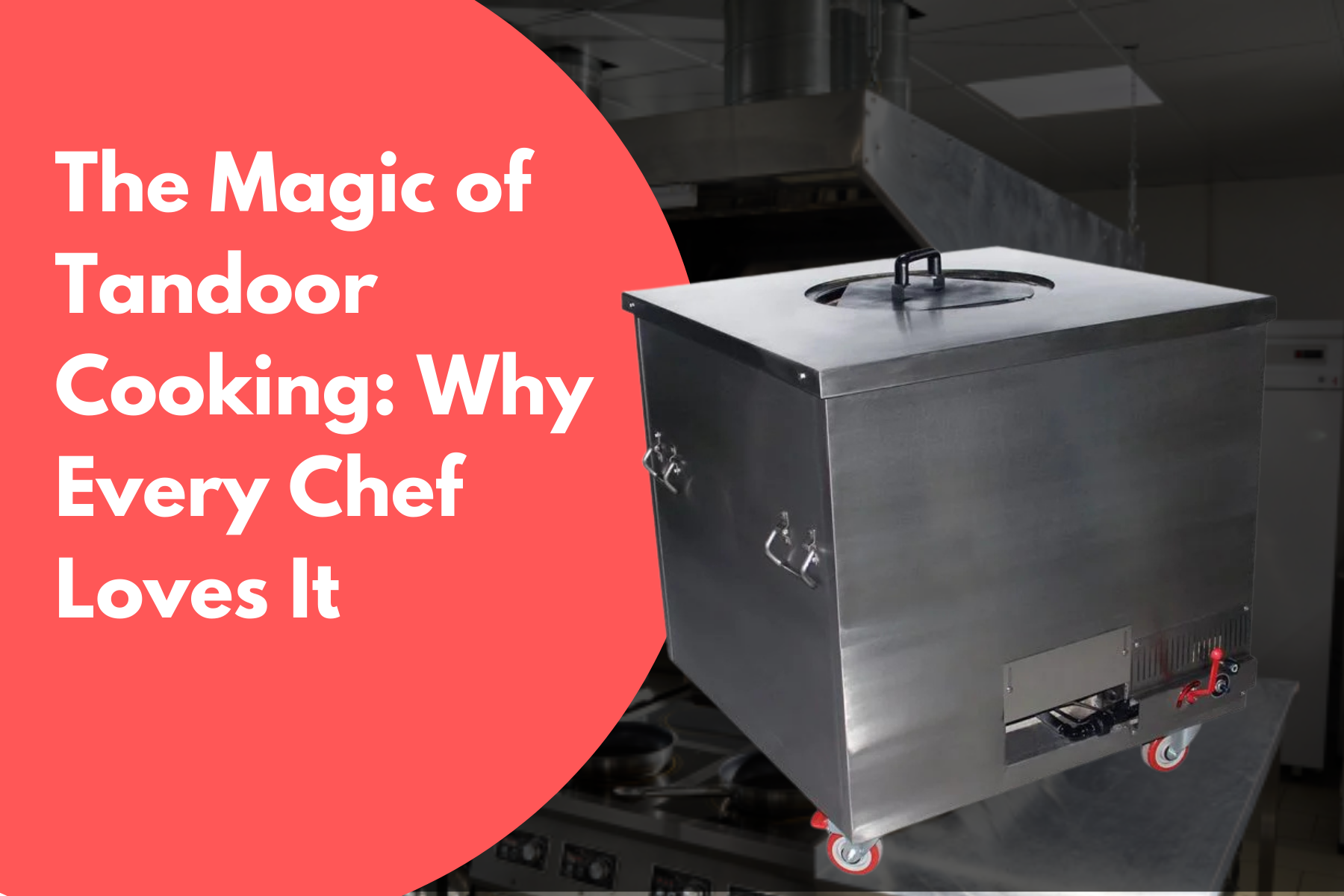
The Magic of Tandoor Cooking: Why Every Chef Loves It
14
Dec
Unlock the Secret Weapon of Authentic Indian Kitchens
Tandoor ovens are the heart of countless Indian kitchens, both traditional and commercial. From clay fired classics to stainless steel marvels, these cylindrical ovens aren’t just cooking tools, they are flavour engines. For chefs who work in Indian, Middle Eastern or fusion settings, a tandoor adds layers of depth and drama that standard ovens cannot replicate.
UNESCO recognises traditional tandoor-based cooking as part of India’s intangible cultural heritage, highlighting the historical importance of clay ovens in producing naan, flatbreads and fire-cooked dishes that define regional cuisine.
The first thing you will notice about tandoor cooking is the aroma. When meat, bread or vegetables hit the blazing hot interior, something extraordinary happens. The intense radiant heat locks in juices, chars the outside and smokes every bite to perfection. It is the reason naan bubbles just right and tandoori chicken gets that signature crimson crust.
Visually, a tandoor brings live fire energy into any open kitchen. Guests love watching chefs spear skewers, slap dough on hot clay and retrieve dishes in seconds. It is interactive, immersive and deeply tied to centuries old culinary heritage.
For chefs who want more than just efficiency, for those chasing excellence, a tandoor is essential.
Why Chefs Swear by the Tandoor: Benefits You Can Taste
There is a reason top chefs across Brisbane, Sydney and Melbourne invest in commercial grade tandoors. Beyond cultural authenticity, tandoor cooking delivers unique performance advantages that elevate both food quality and kitchen output.

Flavour Like Nothing Else
A tandoor oven can reach temperatures over 480°C, far beyond conventional ovens. This intense heat sears meats quickly, locking in moisture while developing a charred, smoky exterior. Whether you are cooking paneer tikka or lamb kebabs, the result is the same — unmatched flavour with a hint of fire and spice.
Speed and Throughput
High volume kitchens love tandoors for their ability to cook multiple skewers or naans in under two minutes. Their cylindrical design supports full heat distribution, ensuring even cooking without the need for constant rotation or flipping. Time saved here directly impacts table turnover and customer satisfaction.
Versatility
Tandoors are not just for naan and chicken. They are used for seafood, vegetables, breads, desserts and even Western dishes like tandoor roasted beetroot or flame kissed cauliflower steaks. They add flexibility to the menu while maintaining consistency in results.
Visual Theatre
An open tandoor becomes a focal point in modern dining. Customers get to watch the action, enhancing the dining experience and promoting social sharing. For venues focused on ambience and engagement, this is a powerful asset.
Authenticity That Converts
In a competitive market, authenticity matters. Tandoor cooking does not just taste better, it feels real. That sensory authenticity builds loyalty with Indian cuisine purists and first time diners alike, making your kitchen memorable.
Is a Tandoor Right for Your Kitchen? Let’s Break It Down
Investing in a tandoor requires careful planning. Here is what you need to consider before adding one to your fitout.
Space and Ventilation
Tandoor ovens, especially traditional clay models, require proper ventilation due to the high heat and smoke generated. Stainless steel tandoors with insulated walls reduce heat transfer but still need adequate clearance and extraction systems. If your kitchen operates in a compact space or shopping centre tenancy, electric tandoors may be more viable than gas or charcoal models.
Compliance and Safety
Australian commercial kitchens must comply with fire and gas safety regulations. Caterware’s tandoor range is manufactured to local standards and includes models certified for safe, heavy duty use. Always confirm your ventilation and fire setup aligns with your state’s compliance codes.
Fuel Type
Tandoors can be powered by charcoal, gas or electricity. Each has its tradeoffs
- Charcoal offers the most authentic flavour but requires more cleaning and permits
- Gas balances flavour and ease of use
- Electric is cleaner and suited for indoor or shopping centre setups but lacks the intense smokiness of traditional fire
Costs and ROI
Entry level tandoors start from a few thousand dollars, with heavy duty models designed for high turnover venues climbing to five figures. The return on investment is exceptional. Margins on tandoor prepared dishes are among the best in Indian cuisine, and the added appeal can increase per cover spend. Add ons like tandoor training and maintenance kits also protect your investment.
Bring Fire to Your Menu with Caterware’s Tandoor Range
At Caterware, we understand what commercial kitchens really need: performance, safety and reliability. That is why we stock a curated range of tandoor ovens designed for Australian hospitality venues. Whether you are running a high volume Indian restaurant or experimenting with modern fusion, our selection offers models suited to all scales and layouts.
From compact electric tandoors ideal for food courts to large gas units made for restaurants in Brisbane’s dining precincts, every unit is backed by expert support and warranty.
Unlike generalist equipment suppliers, Caterware focuses on matching products to venue style, output and menu. Our Molendinar showroom allows chefs to see tandoors up close, feel the build quality and ask questions about installation and care.
We also provide fast shipping across Australia, with financing options available for fitouts and upgrades.
What Chefs Ask Before Switching to Tandoor Cooking
Is tandoor cooking safe for indoor commercial kitchens?
Yes, with proper ventilation and compliant units. Caterware’s models are Australian certified and come with full safety specifications.
How do I train my staff to use a tandoor safely?
Our team provides onboarding guidance and resources. Some venues also bring in tandoor specialists during launch week for live demonstrations and menu testing.
What is the maintenance like?
Daily ash removal for charcoal models and regular cleaning of grates or interiors is standard. We offer maintenance tools and tips tailored to each model.
Do I need council approval?
Depending on fuel type and extraction setup, yes. We recommend checking with your local council early in the fitout process.
Can I use a tandoor in a café or takeaway kitchen?
Absolutely. We offer space saving models suited for compact kitchens, including gas and electric tandoors for shopfront operations.
Fire Up Your Flavours with Caterware
Ready to transform your Indian menu and bring show stopping heat to every dish? Caterware’s curated tandoor range is the choice for chefs who will not compromise on flavour, speed or authenticity. Visit our Molendinar showroom or browse online to discover models engineered for excellence and backed by real hospitality knowhow.
Call (07) 5597 5599, email info@caterware.com.au or shop now at https://www.caterware.com.au. Limited stock available for peak season installs.