 Rent-Try-Buy
With SilverChef |
Apply Now
Rent-Try-Buy
With SilverChef |
Apply Now



How to Master the Art of Tandoori Cooking at Home
07
Dec
Discover the Secrets to Authentic Tandoori Cooking Right in Your Backyard
There is something elemental and deeply satisfying about cooking with live fire. Tandoor ovens offer a unique culinary experience that few other cooking methods can replicate. Once reserved for professional kitchens and traditional restaurants, tandoors are now becoming a sought-after addition in home settings across Australia. If you have ever dreamed of replicating those mouthwatering tandoori flavours in your own backyard, now is the time.
This article is your complete guide to unlocking the secrets of authentic home tandoor cooking. From choosing the right equipment to perfecting marinades and mastering cooking techniques, you will discover how to create restaurant quality dishes in a home environment. Whether you are preparing smoky skewers for a family meal or naan bread for your next weekend gathering, this guide will set you up for success.
Tools of the Trade What You Will Need to Start Cooking Tandoori at Home
Every great tandoori meal starts with the right equipment. Tandoors are not like conventional barbecues or ovens. These cylindrical ovens reach temperatures in excess of 450 degrees Celsius, allowing for intense searing, fast cooking, and the unmistakable flavour that only a tandoor can offer.
According to the Food and Agriculture Organization of the United Nations (FAO), traditional tandoor-style ovens commonly operate at temperatures above 450°C, which explains their ability to cook naan and skewered meats rapidly while retaining moisture and texture.
Choosing Your Home Tandoor Oven

There are two main types of tandoor ovens suitable for home use. First, there is the traditional clay lined tandoor, which delivers authentic heat retention and a smoky flavour profile. These models require more care and are slightly more delicate but offer unmatched results for those pursuing authenticity.
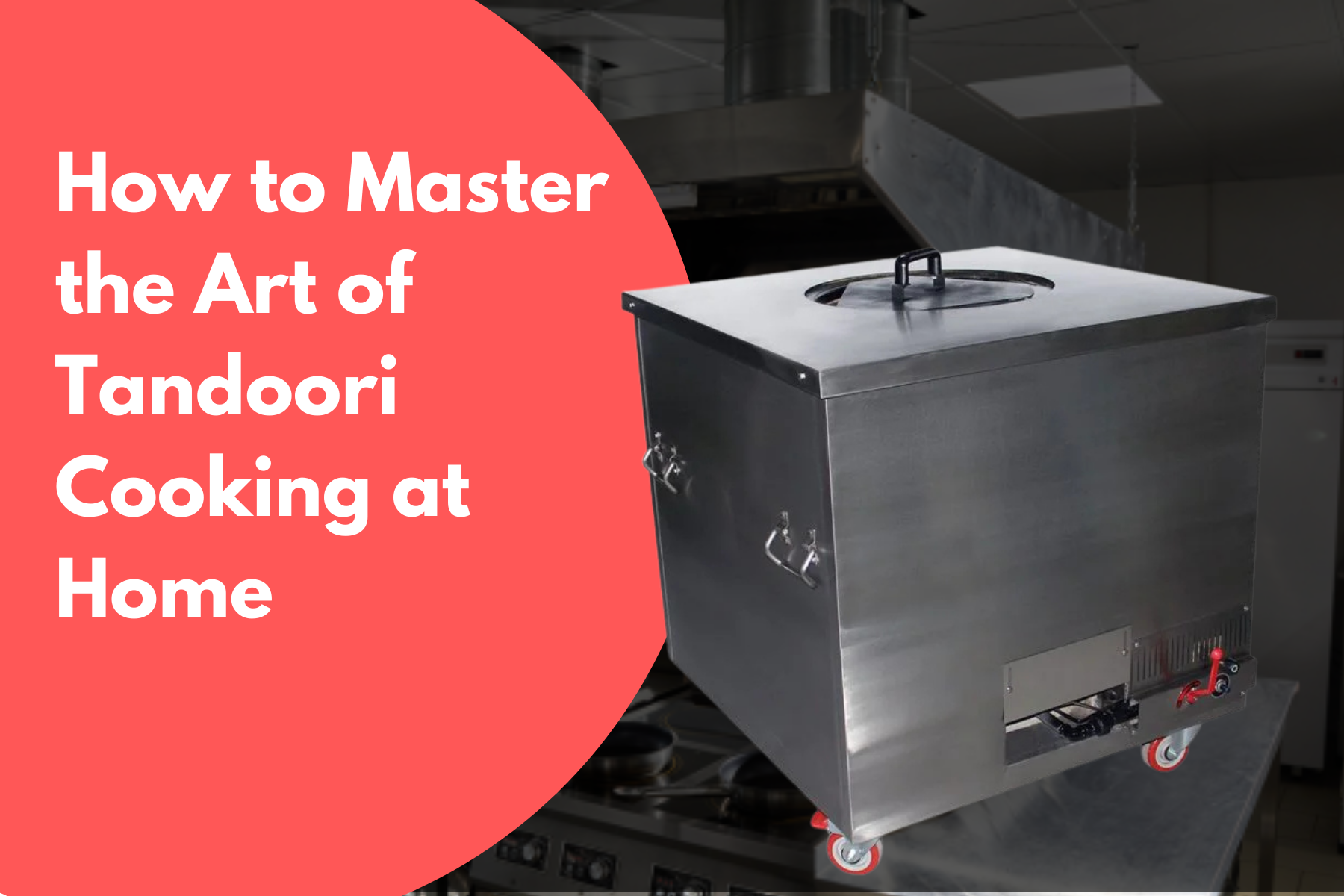
The second option is a stainless steel tandoor oven. These are often more compact, easier to clean, and designed with Australian backyards in mind. Stainless steel tandoors are durable, highly portable, and ideal for anyone who wants reliable performance with easier maintenance.
Caterware offers a range of small and large tandoor ovens designed for residential use. Some models come on wheels for mobility, making it easy to set up your outdoor kitchen space.
Selecting the Right Fuel
Traditional tandoors run on charcoal or wood, which delivers that deep, smoky aroma associated with tandoori dishes. However, many modern home models are compatible with gas, which offers convenience and cleaner operation.
Charcoal provides a richer flavour but requires more effort in terms of lighting and maintaining the fire. Gas models, on the other hand, are easy to ignite, heat faster, and make cleanup simpler. Your choice will depend on whether you prioritise authenticity or practicality.
Essential Accessories for Home Tandoor Cooking
To get started, you will need a few key tools. Long metal skewers are necessary for meats and vegetables. Naan bread requires a naan cushion, which helps you press the dough onto the oven wall. Heat resistant gloves are essential for safety, and a metal hook or tong will help you retrieve food safely from deep inside the oven chamber.
Caterware supplies all of these tools alongside their residential tandoor ovens, ensuring you have everything you need in one convenient place.
Tandoori Techniques That Deliver From Marinades to Mastery
Cooking with a tandoor is a blend of art and science. Mastering the basics will allow you to prepare crowd pleasing dishes every time.
The Power of Marinades
Tandoori flavour begins long before anything hits the oven. The secret lies in the marinade. Tandoori chicken, for example, is typically marinated in a blend of yoghurt, lemon juice, garlic, ginger, and spices such as turmeric, garam masala, and paprika.
The yoghurt helps tenderise the meat, while the spices infuse it with colour and complex flavour. You should aim to marinate your proteins for at least eight hours, though overnight is ideal. This ensures full absorption and an even cook when exposed to intense tandoor heat.
Heating the Tandoor
A tandoor needs to be hot, really hot. It can take anywhere from thirty to sixty minutes to reach optimal cooking temperature. Use a temperature gauge or infrared thermometer if you have one. Your target is around 450 to 480 degrees Celsius.
Be patient during this phase. Cooking in a tandoor without reaching the correct temperature can result in uneven or undercooked food.
Cooking Techniques for Home Tandoor Success
Once your tandoor is heated and ready, it is time to cook. Skewer marinated meats or vegetables tightly, ensuring they do not slide or droop. Lower the skewers vertically into the oven and allow the high heat to do its work. Tandoori chicken usually takes twelve to fifteen minutes to cook through, depending on size.
For naan, roll your dough thin and use the naan cushion to press it against the inside wall of the oven. The bread will begin to bubble and char almost immediately. It usually cooks in under two minutes.
Once cooked, finish with a brush of melted ghee or a squeeze of lemon for added richness and brightness.
Your At Home Tandoori Setup Made Easy
Installing and maintaining a home tandoor is easier than you might think. With some basic safety measures and regular care, your oven will deliver consistent results for years.
Safe Placement
Always use your tandoor outdoors in a well ventilated area. It should be placed on a non flammable surface such as concrete, tile, or stone. Avoid placing it on wooden decks or near flammable materials.
Ensure there is ample space around the oven for airflow and safety. If your tandoor model has wheels, consider locking them in place during use to avoid movement.
Routine Maintenance
Like any piece of cooking equipment, your tandoor will last longer and perform better with regular upkeep. For stainless steel models, clean the exterior with a damp cloth after each use. Clay ovens should be left to cool fully before brushing out ash.
Avoid pouring water into a hot clay oven, as this can lead to cracking. Instead, wipe the rim and outer surfaces gently. Periodically re oil the interior of clay ovens to maintain seasoning.
Storage and Longevity
Protect your tandoor from the elements when not in use. If it is small and portable, consider storing it in a covered area like a shed or garage. For larger units, a heavy duty weather cover can extend its life.
Regularly check accessories like skewers and naan cushions for wear and replace them as needed. These small steps help ensure safety and the highest quality cooking experience every time.
What Home Cooks Ask About Tandoor Ovens
Can I use a tandoor oven on a wooden deck
No. Tandoors generate high levels of heat and should be placed on fireproof surfaces such as tiles or concrete to reduce the risk of fire.
Is gas or charcoal better for home tandoor cooking
It depends on your priorities. Charcoal offers a more authentic smoky flavour, while gas is easier to use and maintain. Caterware stocks models that cater to both preferences.
Do I need special training to use a tandoor
Not at all. With some basic safety awareness and a little practice, anyone can learn to use a tandoor oven effectively. It is an enjoyable and rewarding learning curve.
How do I clean a tandoor oven
Let it cool completely first. For stainless steel models, wipe the surfaces clean. For clay tandoors, gently brush out ash and avoid using water inside the chamber.
Can I bake bread or pizza in a tandoor
Absolutely. Naan bread is a classic tandoori item. Many home cooks also experiment with flatbreads, pizzas, and even desserts like stuffed parathas or sweet naan.
Elevate Your Backyard Cooking with Caterware
If you are ready to transform your home cooking experience, Caterware offers a hand selected range of tandoor ovens that bring professional performance into your backyard. Whether you are just starting or looking to level up your skills, our ovens are built to last and engineered for flavour.
Caterware supplies both traditional clay and modern stainless steel tandoors designed for Australian conditions. Each unit meets high safety and manufacturing standards, giving you confidence in your investment. With a local Gold Coast showroom, same day despatch options, and expert support, we are here to help you succeed in every cook.
Order today and start your tandoori journey with the equipment trusted by professionals and loved by home cooks.
Call us on (07) 5597 5599
Email info@caterware.com.au
Visit www.caterware.com.au
Showroom: 2/6 Resources Ct, Molendinar QLD 4214
Let me know if you would like this formatted into a print ready layout, uploaded as a downloadable document, or optimised for Shopify or another platform.