Rent-Try-Buy
With SilverChef |
Apply Now
Rent-Try-Buy
With SilverChef |
Apply Now


Part 1: The Hidden Drain: Why “Good Enough” Wine Storage is Killing Your Restaurant’s Margins

02
May
Uncovering the Real Financial Cost of Poor Wine Storage in Hospitality
Imagine a restaurant that proudly advertises an extensive wine list, attracting wine enthusiasts eager to sample vintages from around the world. But beneath the surface, poorly controlled storage conditions are silently sabotaging the quality of every bottle. The result? Spoiled wine, unhappy customers, and diminished profits. For hospitality professionals, the stakes are high: inadequate wine storage doesn’t just ruin bottles—it undermines the very bottom line of the business.
In this article, we’ll break down the unique challenges of commercial wine preservation, focusing on three critical factors: temperature control, humidity regulation, and vibration minimisation. Each element plays a vital role in protecting wine quality, customer satisfaction, and hospitality profitability. By understanding these challenges and applying practical steps immediately, restaurant owners, sommeliers, and food & beverage managers can safeguard their wine investment and reduce costly spoilage.
Why Substandard Wine Storage is Undermining Hospitality Profitability
Imagine a busy restaurant with an ambitious wine programme but storing its bottles in a room with fluctuating temperatures and low humidity. Over time, corks dry out and shrink, allowing air into bottles—causing oxidation and spoilage. Wines often lose their aromas and flavours or develop undesirable taste notes. This not only decreases their appeal but also leads to returns or waste.
The financial implications extend beyond the cost of a spoiled bottle. Staff time is wasted in managing returns or replacing stock, while disappointed customers may leave negative reviews or hesitate to revisit. Repeated incidents with poor wine quality erode brand reputation and sales. Restaurants might unknowingly write off thousands annually due to inappropriate storage.
For hospitality venues, maintaining wine quality through proper storage is not a luxury—it’s a necessity. When wine is stored correctly, its intended characteristics and value remain intact, allowing businesses to confidently price their offerings and maximise margins.

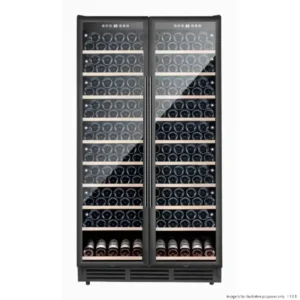
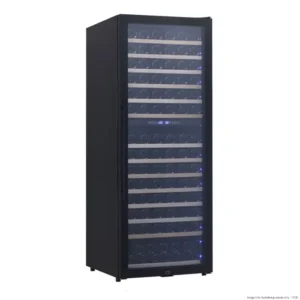
Key Factors in Wine Quality Preservation: Temperature, Humidity, and Vibration Control
Preserving wine in a commercial setting poses unique challenges that differ from personal collections. Three factors particularly demand attention:
- Temperature Control:
Imagine a restaurant cellar where temperatures swing between 15°C during the day and 25°C at night. These fluctuations accelerate chemical reactions inside the bottle, prematurely ageing the wine or causing off-flavours. Ideally, wine should be kept within a steady range, generally between 12°C and 16°C, to slow ageing and maintain balance. Different varietals might require slight adjustments, but consistency is key. - Humidity Regulation:
Picture a dining venue located in a dry climate with cellar humidity hovering below 50%. Low humidity causes corks to dry and shrink, leading to oxidation and spoilage. Conversely, high humidity above 80% encourages mould growth, risking labels and packaging. Maintaining relative humidity between 60% and 70% is optimal for cork integrity and bottle preservation. - Vibration Minimisation:
Imagine a restaurant where a wine storage room sits atop a machine room or near heavy foot traffic. Constant vibrations disturb sediment in bottles, affecting sedimentation and potentially altering flavours. Unlike homes, commercial spaces often face this issue. Using storage units designed to dampen vibrations or situating cellars away from vibration sources is essential.
Each factor demands vigilant management and investment in quality equipment tailored for commercial hospitality environments.
Temperature Control: The Cornerstone of Wine Stability
Imagine a mid-sized wine bar where the cellar door opens frequently during service hours, allowing warm air to enter and temperatures to rise above recommended levels. This scenario causes thermal shock, stressing the wine and leading to inconsistent ageing.
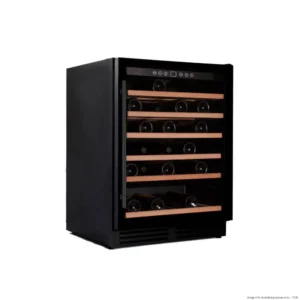
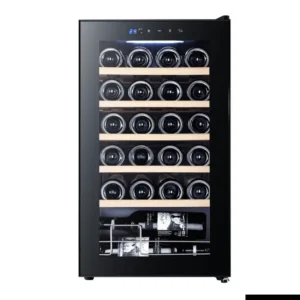
Effective temperature control requires both precision and reliability. Most commercial wine coolers and cellars feature digital thermostats and fan-forced cooling systems that maintain stable temperatures within narrow ranges. Single-zone coolers like the WB-51A Single Zone Wine Cooler allow operators to set and maintain ideal temperatures for the majority of wines, generally between 5°C and 22°C, accommodating red and white wines alike.
Several practical steps can help:
- Insulate the storage area properly to prevent outside temperature fluctuations.
- Minimise door openings and use units with tight-sealing doors.
- Position temperature monitors inside storage areas, not just ambient room sensors.
- Schedule regular maintenance on cooling systems to prevent malfunctions.
Ultimately, precision temperature control extends bottle life, preserves flavour integrity, and minimises waste, helping protect revenues in competitive hospitality markets.
In the sections ahead, we will explore humidity management, vibration control, and specific strategies to improve wine inventory management for maximum profitability. Hospitality leaders who take these steps seriously can protect their investments, maintain customer satisfaction, and secure a stronger financial future.
Understanding Cellar Temperature Control and Its Role in Wine Stability
Imagine a restaurant that stores its wine collection in a cellar without any temperature regulation. On a busy summer day, the ambient temperature soars to 28°C (82°F). Bottles that were perfectly fine in the morning start showing signs of premature ageing—diminished aromas, flat taste, and even slight cloudiness. Why? Because improper cellar temperature control is quietly eroding the wine’s stability, threatening both quality and profitability.
Temperature is the most critical factor in wine quality preservation. Ideally, wine should be stored between 12°C and 15°C (54°F–59°F), with minimal fluctuations. Temperatures above 20°C (68°F) accelerate chemical reactions inside the bottle, causing wine to age rapidly and lose its desirable characteristics. On the other hand, temperatures below 10°C (50°F) can slow down maturation excessively and affect the texture.
Fluctuations in temperature are equally harmful. Picture constant ups and downs in the cellar environment caused by poor insulation or frequent door openings. Each swing stresses the wine, causing the liquid to expand and contract. This movement can push the cork in or out slightly, allowing oxygen to seep in and begin the oxidation process. Oxidised wine turns stale, brownish, and develops off-flavours, leaving your customers disappointed and your margins diminished.
Commercial hospitality environments present unique challenges to maintaining stable cellar temperature. Unlike private wine collections, restaurant cellars face frequent human traffic, equipment heat from nearby kitchen appliances, and varied climatic influences depending on location. This complexity requires investment in robust commercial temperature control solutions.
Professional wine cellar systems offer precise temperature regulation, keeping conditions steady regardless of external factors. Imagine a busy restaurant that installs a high-quality cooling unit designed specifically for wine storage. The system monitors and adjusts the temperature continuously, preventing spikes during peak hours or seasonal heatwaves. This investment protects wine quality, extends shelf life, and reduces spoilage-related losses.
Simply put: stable cellar temperature control directly extends the shelf life of your wine inventory, preventing costly spoilage and maintaining customer satisfaction.
Advantages of Investing in Professional Wine Storage Equipment
Imagine a restaurant that once struggled with frequent bottle spoilage and an inconsistent wine list. Since upgrading to commercial-grade wine coolers, the establishment has seen a dramatic reduction in waste and an improvement in customer experience, translating to healthier profit margins. This scenario underlines why investing in professional wine storage equipment is not a luxury, but a necessity.
Modern commercial wine coolers maintain ideal humidity levels—typically between 60% and 70%—to keep corks moist and airtight. Dry cellars cause corks to shrink and become brittle, allowing air to seep into the bottle and spoil the wine. Conversely, excessively humid environments promote mould growth, posing health risks and unpleasant smells. Professional units feature precise humidity control to mitigate these risks.
Vibration is another silent quality killer. Imagine bottles in a wine rack near heavy kitchen machinery. The constant vibration agitates the wine, disturbing sediment and accelerating deterioration. Commercial wine cabinets employ vibration-reducing technology to ensure the wine remains undisturbed, preserving clarity and flavour integrity.
Beyond environmental control, investing in professional equipment reassures customers and staff about the establishment’s commitment to quality. Imagine a wine list proudly backed by a state-of-the-art cellar system. Customers perceive greater value in their purchase, often willing to pay a premium for wines well-stored and served at their best.
Several hospitality businesses have observed notable improvements after upgrading storage. Consider a mid-sized restaurant that replaced a traditional cellar with temperature- and humidity-controlled cabinets. Within six months, wine spoilage dropped by 40%, and overall wine sales increased by 15%, directly enhancing hospitality profitability.
In commercial settings, the upfront cost of professional wine storage pays off quickly by reducing the hidden costs of spoilage and maintaining consistent wine quality. These benefits safeguard not only inventory but also customer loyalty and brand reputation over the long term.

Practical Tips to Optimise Your Restaurant’s Wine Storage Setup
Imagine walking into your restaurant’s wine storage area and spotting clear signs of inconsistent temperature and humidity—condensation on bottles, corks drying out, or the faint noise of a rattling cooling unit. How can you take immediate action to prevent these conditions from translating into wine spoilage and revenue loss?
Start by conducting a thorough evaluation of your current setup:
- Measure and Monitor Temperature: Use digital thermometers placed throughout the wine storage area. Ideally, aim for a stable range of 12°C to 15°C. Note any temperature spikes or drops during different times of the day or seasons. If fluctuations exceed 3°C, it’s a red flag.
- Check Humidity Levels: Deploy a hygrometer to maintain relative humidity between 60% and 70%. If humidity is too low, consider adding humidity trays filled with water. If too high, improve ventilation or use dehumidifiers.
- Assess Vibration Sources: Identify any nearby machinery, compressors, or heavy foot traffic causing vibration. If unavoidable, invest in anti-vibration shelving or isolate the wine storage physically from these sources.
- Inspect for Proper Lighting: Intense or direct lighting damages wine. Use soft, indirect lighting away from sunlight or strong artificial sources to avoid UV exposure.
Next, implement these actionable steps to optimise preservation:
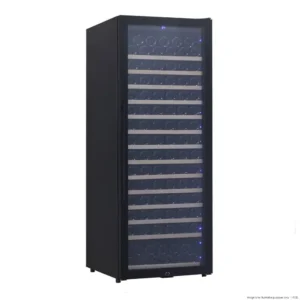
- Invest in a Commercial Wine Cooler or Cellar System: Choose equipment designed for hospitality volumes, with built-in temperature, humidity, and vibration controls.
- Implement Regular Stock Rotation: Practice the First-In, First-Out (FIFO) method to minimise prolonged storage times. This reduces the risk of wine ageing beyond its peak.
- Train Staff on Handling: Educate all employees on the importance of keeping wine bottles horizontal (to keep corks moist), limiting how often bottles are moved, and promptly reporting storage issues.
- Schedule Periodic Professional Maintenance: Regular servicing of cooling units and storage areas ensures ongoing performance and prevents breakdowns that could lead to spoilage.
By aligning these practical storage improvements with your broader hospitality goals—protecting customer satisfaction, sustaining brand excellence, and maximising hospitality profitability—you create a resilient framework against wine spoilage.
Don’t let poor restaurant wine storage quietly drain your profits.
For expert advice and tailored commercial wine storage solutions, contact 1800 22837 1 today. Protect your wine inventory, enhance customer satisfaction, and secure your bottom line with professional temperature, humidity, and vibration control.
Remember, “good enough” wine storage isn’t good enough when it comes to preserving quality and profitability.
Take action now.