Rent-Try-Buy
With SilverChef |
Apply Now
Rent-Try-Buy
With SilverChef |
Apply Now


How to Choose the Right Bain Marie for Your Service Style
25
May
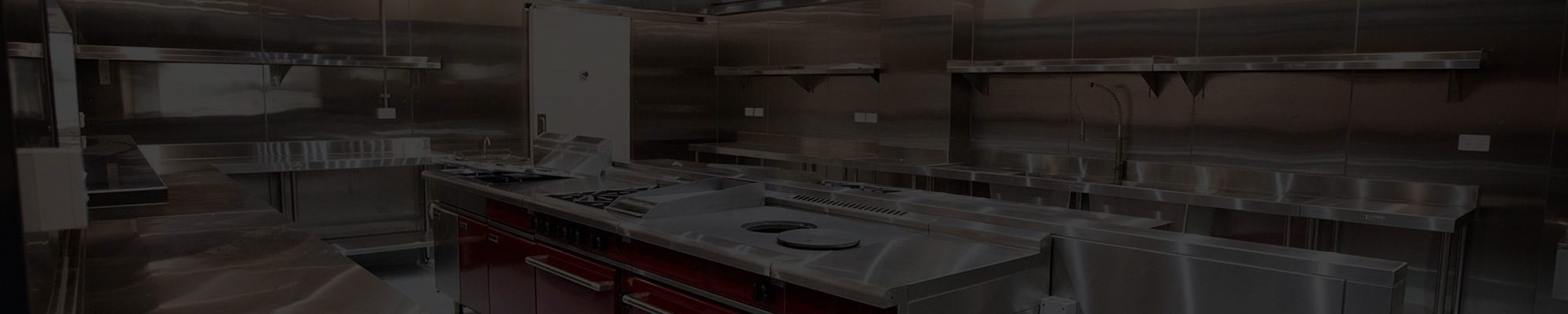
Choosing the right bain marie is not just about keeping food warm. It affects service speed, food presentation, holding consistency and how much usable bench space you keep during busy periods. Get it right and service feels smoother. Get it wrong and food dries out, the line slows down, and the unit starts taking up more room than it earns.
At Caterware, our bain marie range includes compact countertop models, larger food displays and wet-and-dry options from brands such as Woodson, Bonvue, Thermaster and Birko.With a spread of price points and footprints, which is useful for operators trying to match performance to service style rather than buying on size alone.
Start With the Way You Serve, Not the Spec Sheet
Most buying mistakes happen when operators start with a product list instead of their service model. A bain marie that works well in a buffet can be the wrong choice for a takeaway line. A unit that looks ideal in a catalogue can still create slowdowns if it does not suit your pans, holding times or point-of-sale rhythm.
The better approach is to start with a few practical questions. Are you holding food for short bursts during peak periods, or for longer windows across service? Are customers serving themselves, or is staff access more important than display appeal? Do you need a compact countertop unit, or a larger hot food display that becomes part of the front-of-house presentation? Those answers narrow the field faster than comparing model names.
Wet or Dry Bain Marie: Which One Fits Your Food Better?
When wet heat makes more sense
A wet bain marie uses heated water to create gentler, more stable holding conditions. That usually makes it the safer option for foods that lose moisture easily or sit in the unit for longer periods. Curries, rice dishes, sauces, pasta components and other moisture-sensitive menu items often hold better with wet heat because the transfer is less aggressive.
Food Standards Australia New Zealand states that potentially hazardous food must generally be kept at 5°C or colder, or 60°C or hotter, to keep it safe. For bain maries, this makes holding performance a practical food-safety consideration, especially when hot food sits through longer service windows or repeated rush periods.
Wet-and-dry models give operators more flexibility when menus change, especially in venues serving mixed items across breakfast, lunch and takeaway periods.
When dry heat is the better fit
Dry bain maries tend to suit operators who want simpler setup, faster day-to-day operation and less mess around water handling. They can work well when food turns over quickly and the menu is less sensitive to moisture loss. For some takeaway environments, that trade-off is acceptable because speed and simplicity carry more weight than long holding windows.
The catch is straightforward. If food is sitting too long or the product is prone to drying, the wrong dry unit can create quality issues fast. That is why the wet-versus-dry choice should follow your menu and holding pattern, not just your price bracket.
Size, GN Pan Layout and Bench Space
Size selection sounds simple until the unit lands on the bench. Then operators realise they bought for maximum capacity rather than usable workflow.
The right bain marie size depends on three things. First, how many menu lines you genuinely need live during peak service. Second, what GN pan configuration best suits portion movement and replenishment. Third, how much bench space you can give up without slowing adjacent prep, plating or POS activity.
A larger unit is not automatically better. In a compact café or takeaway shop, an oversized bain marie can crowd the pass, reduce prep space and make staff movement clumsy. In a buffet or larger hot-food setup, under-sizing creates a different problem because pans need replacing too often and popular dishes run low at the wrong time. At Caterware everything from compact single-unit styles through to multi-bay hot food displays are available, which is exactly why size should be matched to service style, not guessed from menu ambition.
Open Display, Pass Service or Self-Serve?
Service format changes what the right bain marie looks like.
If the unit sits behind staff and supports fast assembly, access speed matters most. Staff need clean reach to pans, controls that are easy to manage during service, and a layout that does not create awkward movement at the pass.
If the bain marie is front-facing and part of the customer experience, display quality starts to matter more. Glass profile, visibility and overall presentation can influence sales as much as heat holding.
If the model is used for self-serve, the priorities shift again. Capacity, product visibility, ease of access and recovery speed after repeated opening become more relevant. Our range includes both countertop bain maries and self-serve hot food display formats, which makes this distinction commercially useful rather than theoretical.
What Slows Service Down at the Bain Marie
Slow service is rarely caused by the bain marie alone, but the wrong unit can make it worse. Common friction points include pan layouts that do not match menu demand, awkward access during peak trade, units that take too much bench depth, and holding performance that drops as pans empty or service drags on.
Food drying out is another issue operators notice too late. If the menu includes items that need gentler holding and the chosen unit runs too dry for too long, staff end up compensating during service instead of serving confidently. That creates inconsistency at exactly the moment the line needs to be predictable.
A better buying decision reduces those workarounds. It supports the real pace of service, keeps the most popular items accessible, and holds food in a condition you are still comfortable serving late in the rush.
Which Bain Marie Suits Your Venue Type?

Cafes
Cafe operators often need compact footprint, straightforward controls and enough display appeal to support add-on sales. Countertop bain maries can work well here when the menu is focused and turnover is steady. If bench space is tight, buying only for the menu you actually hold hot is usually smarter than chasing extra bays you may not use.
Buffets
Buffets usually need more holding capacity, stronger presentation and a format that supports visibility across several dishes at once. Self-serve food displays and larger multi-bay units tend to make more sense here, especially where consistency across a broader hot menu matters.
Takeaway shops
Takeaway service rewards speed, repetition and easy access. If staff are moving quickly between order assembly and handoff, a unit that is too wide, too deep or too slow to work around becomes a problem. Dry heat can suit some fast-turnover menus, but moisture-sensitive items often benefit from wet or wet-and-dry holding.
Caterers
Caterers usually need flexibility more than any single fixed format. Menu variation, event style and transport or setup conditions all influence what works best. In that environment, a versatile commercial bain marie with adaptable holding capability can give better long-term value than a narrowly specialised unit.
Our broader display-and-merchandising range and bain marie’s both support this venue-based comparison because the live assortment covers compact, display-led and larger service-oriented options.
Choosing a Commercial Bain Marie in Australia Without Overbuying
For most buyers in Australia, the strongest decision comes down to fit rather than maximum features. You need the model that matches your food, your pace of service and your available space.
That usually means comparing:
- wet vs dry heat based on menu sensitivity
- bay count and GN pan layout based on active service demand
- countertop vs larger display formats based on your bench and customer-facing setup
- operator access vs presentation depending on whether service is staff-led or self-serve
Compare the Right Bain Marie With Caterware
If you are comparing bain maries for a café, buffet, takeaway shop or catering setup, the right next step is to match the unit to your service style before you commit on size or price.
If you are weighing up wet vs dry heat, trying to avoid bench-space mistakes, or narrowing the right configuration for a busy service line, contact our team and we will help you compare options that make commercial sense for your venue.
FAQ
Is a wet bain marie better than a dry bain marie?
Not in every venue. Wet bain maries generally suit foods that need gentler holding and longer service windows. Dry bain maries can suit faster-turnover menus where simplicity and speed matter more. The better option depends on what you are serving and how long it stays in the unit.
What size bain marie should I buy for a café or takeaway shop?
Buy for your live service menu, not the biggest menu you might run one day. In smaller venues, oversizing the unit often creates more workflow problems than it solves. Bench space and staff access matter as much as bay count.
Will a bain marie keep food hot without drying it out?
It can, but holding performance depends on the type of heat, the food itself and how long it stays in service. Moisture-sensitive menu items usually need more careful matching, which is why wet heat or wet-and-dry flexibility often becomes a deciding factor.
Do I need a display-style bain marie or a staff-side service unit?
That depends on where the unit sits in your operation. If customers see and choose from it, display quality becomes part of the sale. If it sits behind staff, speed of access and service flow usually matter more.
Is a commercial bain marie worth buying online in Australia?
Yes, provided you are clear on your service format, required footprint and holding style before ordering. A good buyer guide and a real conversation with the supplier can remove most of the risk from the decision.