Rent-Try-Buy
With SilverChef |
Apply Now
Rent-Try-Buy
With SilverChef |
Apply Now


Flat Top vs Grill: Which One Should You Invest In?
08
Sep
Confused between a flat top and a grill? Whether you are setting up a new kitchen or replacing old equipment, this choice can shape your daily operations, food quality, and customer satisfaction. It is not just about which one looks better or cooks faster. It is about aligning with your service style, your space, and your staff capabilities.
At Caterware, we have helped restaurants, cafes, food trucks, caterers, and clubs across Australia make smart commercial kitchen decisions that protect cash flow and increase efficiency.
Let us explore which solution is right for you.
Stop Guessing Here is the Real Difference Between Flat Tops and Grills
Both appliances cook food. But how they do it, and how they affect your team’s workflow, could not be more different.
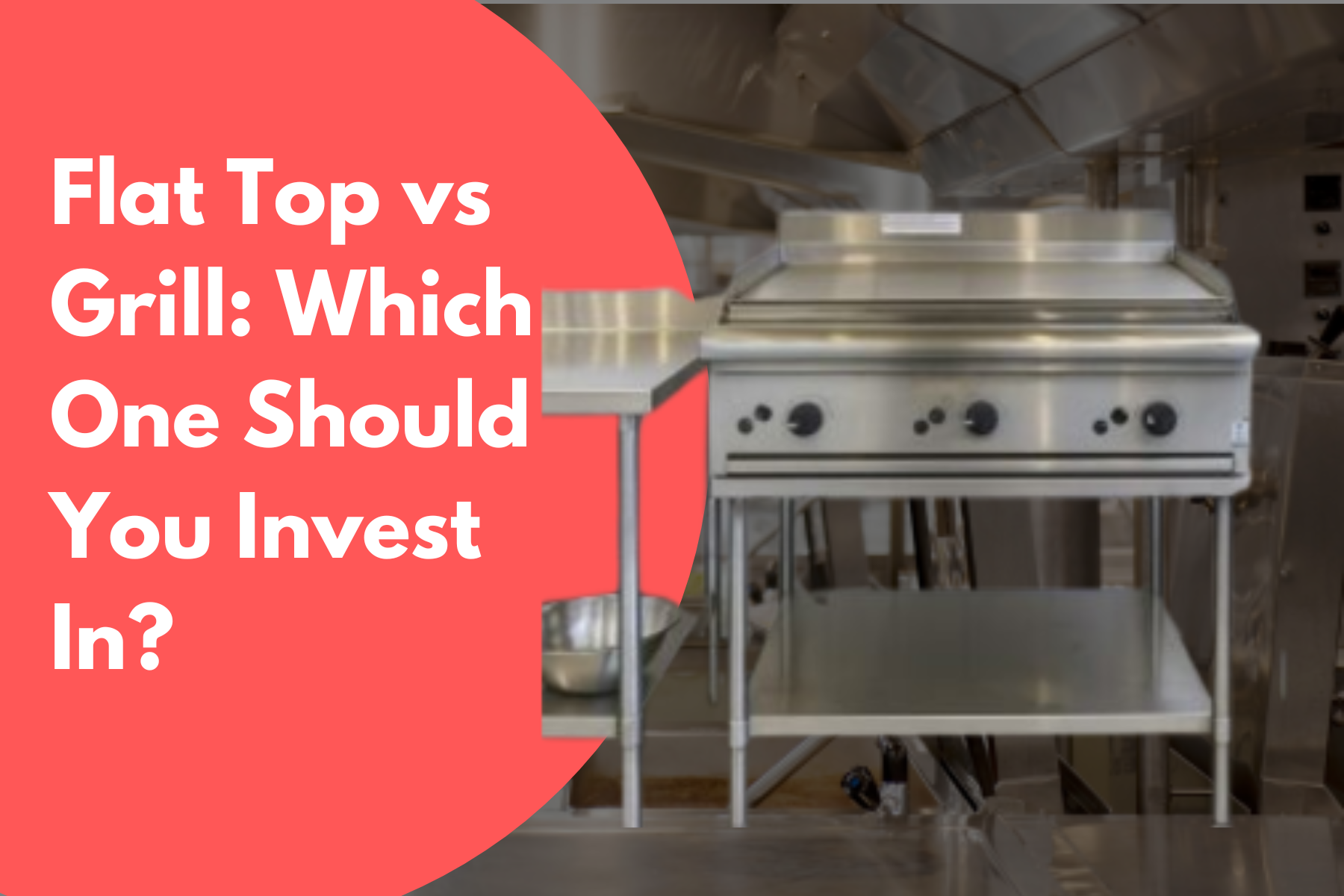
Flat tops are solid cooking plates that spread heat evenly across the surface. They are incredibly versatile, letting you prepare multiple dishes at once. Think eggs, pancakes, bacon, sausages, onions, sandwiches, burgers, wraps, and vegetables.
Grills use grates suspended above a heat source, often open flame or radiant burners. They impart a smoky charred flavour, and are commonly used for steak, chicken, skewers, corn, and grilled seafood. The open gaps allow fat to drip down, reducing surface grease but increasing smoke.
The flavour and visual difference is dramatic. Grills deliver showpiece meals. Flat tops deliver speed and volume. One gives you flair. The other gives you flexibility.
Flat Top vs Grill Which One Makes More Sense for Your Menu and Margins
The best unit for you depends on what you serve, how often you serve it, and who is doing the cooking.
Menu Suitability

- Flat tops are ideal for all day menus, large breakfast service, or quick servic
e kitchens. If your focus is burgers, wraps, toasties, and sides, this is your tool. - Grills are ideal if meat presentation and sear marks matter. Think steakhouses, pubs, grills, barbecue joints, and mid to upper tier restaurants.
Equipment Costs
- Flat tops are often cheaper to buy and easier to install. Most come bench ready and suit standard power or gas setups.
- Grills may require added ventilation, flame protection, or grease filtration. Installation is often more complex.
Maintenance
- Flat tops need daily scraping and oiling. The process is quick and low effort.
- Grills involve cleaning of grates, burners, and drip trays. Debris hardens if not cleaned between shifts.
Staffing Requirements
- Flat tops can be operated by entry level cooks with minimal training. The risk of burning is lower and cooking speed is forgiving.
- Grills need precise timing. Overcook a steak and it goes dry. Undercook chicken and you face food safety issues.
Energy and Efficiency
- Flat tops typically waste less heat and hold temperature longer.
- Grills use more energy but cook food faster, especially meat, due to direct flame.
This is not about which one is better. It is about which one delivers the most value to your kitchen, with the least compromise.
Avoid These Costly Mistakes When Choosing Commercial Cook Tops
Investing in the wrong appliance can slow down service, increase waste, and frustrate your team. Here are common errors seen across hundreds of kitchens we have advised.
Choosing for Image Over Function
Some venues install grills because they sound impressive or add show value. But if you rarely serve steaks or charred dishes, that grill becomes an expensive decoration.
Underestimating Cleaning Time
Flat tops clean fast. A grill may take thirty minutes per shift if used heavily. That is paid time your staff could be using elsewhere. Cleaning protocols affect your total labour cost.
Failing to Future Proof the Kitchen
If you expect to scale volume or change your offering, choose appliances that can adapt. A grill may look great now, but a flat top may handle seasonal menu changes better.
Ignoring Compliance Requirements
Grills produce more smoke and require better extraction systems. Council regulations often specify hood types, distances from walls, and air exchange rates. Flat tops are usually easier to certify.
By avoiding these mistakes, you protect your profit margins and reduce downtime. And it’s worth noting that the commercial griddles and flat-top grills market itself is expanding, valued at USD 2 billion in 2023 and projected to grow to USD 2.7 billion by 2033 at 3% CAGR. Smart kitchens are aligning with this trend to stay competitive.
What Chefs Ask Before Choosing a Flat Top or Grill
Can I run both in my kitchen
Yes. Many high performing kitchens run both side by side. You can sear steaks on a grill and toast burger buns on a flat top. Some manufacturers offer split surface designs for smaller footprints.
Which is safer in a high volume environment
Flat tops offer more surface control and lower exposure to open flame. They are better suited to narrow lines or fast casual settings.
Do grills add more flavour
Yes. The flame creates caramelisation and adds a smoky profile. That said, some kitchens compensate by using flavoured oils or smoker boxes on flat tops.
Can flat tops handle raw meat and plant based products
Yes, with proper cleaning. Flat tops allow different zones for different food types. This is important for allergen separation.
Are electric versions available
Yes. Both flat tops and grills come in electric and gas models. Electric flat tops are common in venues without gas infrastructure.
How long do they last
With regular maintenance, both appliances can last between five and ten years. Look for units made of stainless steel and those that offer part replacement options.
Flat Top vs Grill Final Considerations
Your final decision should not be based on what competitors use. It should be based on how each unit will perform for your specific service needs.
- Do you need speed or sear
- Do you focus on breakfast or dinner
- Do your staff rotate or are they seasoned cooks
- Does your space allow proper ventilation
- Will your customers notice the difference in cooking method
Flat tops and grills each carry operational benefits. The mistake is not choosing wrong. The mistake is not thinking through the decision clearly.
At Caterware, we can guide you through this process with experience, product knowledge, and commercial insight tailored to your location, team, and business goals.
Your Next Step Cook Smarter with Caterware
Still weighing the options. You are not alone. Every month we help kitchen owners across Brisbane, the Gold Coast, Sydney, and regional Queensland build reliable, compliant cooking stations that stand up to service rushes and budget pressures.
Caterware offers
- Certified cook tops that meet Australian safety and energy standards
- Combo units for space challenged kitchens
- Honest advice based on over three decades of hands on hospitality experience
- Product sourcing across brands and categories
- Same day dispatch on select items
- Local support from our Molendinar warehouse
Let us help you cook smarter, clean faster, and serve better.
📞 Call 07 5597 5599
📧 Email info@caterware.com.au
🛒 Visit www.caterware.com.au
📍 Or stop by 2 6 Resources Court, Molendinar QLD 4214
Choose clarity. Choose reliability. Choose Caterware.