 Rent-Try-Buy
With SilverChef |
Apply Now
Rent-Try-Buy
With SilverChef |
Apply Now


Complete Commercial Kitchen Fitouts: What You Need to Know

28
Feb
The Ultimate Guide to a High-Performance Commercial Kitchen Fitout in Australia
Ready to take your commercial kitchen fitout to the next level? Whether you are an established business owner or a newbie in the hospitality game, this step-by-step guide will show you how to design an efficient, compliant and future-proof kitchen. Plus, you will discover financing options from Caterware in partnership with Silverchef, helping you manage costs without sacrificing quality.
Why a Great Commercial Kitchen Fitout Matters
Picture a busy restaurant in full swing. The food is impeccable, the staff are in sync and everything just… flows. The secret? A rock-solid kitchen layout.
When you optimise your commercial kitchen, you:
- Improve workflow and speed of service
- Boost overall staff productivity
- Enhance safety for both workers and customers
- Reduce operating costs in the long run
If you get it right, your kitchen becomes the beating heart of your business.
The Foundations of a Winning Kitchen Layout
Embrace the Working Triangle
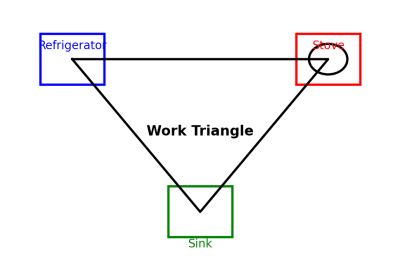
In Australia’s fast-paced hospitality world, efficiency is everything. One tried-and-true technique is the working triangle. This is about setting up three key areas:
- Storage (dry or refrigerated)
- Cooking (ovens, stoves and fryers)
- Washing (sinks and dishwashers)
Keep them close to each other to reduce unnecessary back-and-forth. When these zones work together seamlessly, your team can operate at top speed without missing a beat.
Equipment Placement for Maximum Flow
Think of your kitchen as a single machine. Every piece of equipment, from refrigerators to combi ovens, needs to be strategically placed for smooth movement.
- Shorten walking distances: Ensure prep areas are next to cooking stations
- Organise with intent: Store frequently used utensils and ingredients where staff can reach them easily
- Group similar tasks: Keep cleaning supplies and rubbish bins close to dishwashing stations
A little forethought in layout goes a long way in preventing bottlenecks and chaos.
Caterware offer a comprehensive range of commercial kitchen equipment to meet the diverse needs of the hospitality industry
Our selection includes:
-
Refrigeration Units: From compact underbench fridges to spacious upright freezers, Caterware provides reliable refrigeration solutions to keep your ingredients fresh and safe.
-
Cooking Appliances: Their inventory features high-quality ovens, including combi ovens and convection ovens, designed for efficient and consistent cooking results.
-
Sinks and Benches: Caterware supplies durable stainless steel sinks and benches, essential for maintaining hygiene and facilitating seamless kitchen operations.
When planning a commercial kitchen fitout, several critical factors should be considered to ensure functionality, compliance, and efficiency:
-
Space Utilisation and Workflow: Design your kitchen layout to optimise space and promote a logical workflow. Arrange equipment and workstations to minimise unnecessary movement, enhancing productivity and safety.
-
Compliance with Health and Safety Regulations: Adhere to local health codes and safety standards, which dictate specific requirements for equipment placement, ventilation, and sanitation. Ensuring compliance not only avoids legal issues but also safeguards the well-being of both staff and patrons.
-
Quality and Durability of Equipment: Invest in high-quality, durable equipment that can withstand the rigours of a commercial kitchen. Reliable appliances reduce maintenance costs and operational disruptions, contributing to the long-term success of your establishment.
Must-Know Compliance and Safety Standards
Australian Legal Requirements
Australia has strict regulations to protect public health and maintain high food safety standards. The Australia New Zealand Food Standards Code is your main compass. It dictates how you:
- Store food
- Maintain hygiene
- Handle allergens
Following these guidelines is not just a legal must-do. It also builds credibility with customers and keeps your operation running without costly interruptions.
Safety Essentials
Fire safety is a top concern in any commercial kitchen. To keep your staff and business secure, implement:
- Fire extinguishers and smoke alarms
- Routine fire drills and staff training
- Thoughtful ventilation and extraction systems
Also, think about ergonomics. Features like adjustable benches, slip-resistant flooring and anti-fatigue mats can prevent injuries and boost morale.
Budgeting and Finance: How to Keep Costs Under Control
Plan Your Budget Strategically
Costs can balloon quickly if you do not plan well. These are the main areas to consider:
- Kitchen space: Are you leasing, renovating or building new premises?
- Equipment: Prioritise durable, high-quality items that reduce repairs over time
- Plumbing, electrical and ventilation: These utilities must meet Australian standards
- Compliance fees: Inspections and permits can be costly if overlooked
- Labour and contractors: Skilled professionals make a huge difference
- Design and aesthetics: Function first, but an appealing layout helps with team morale
- Contingency fund: Set aside 10 to 20 percent of your budget for unexpected expenses

Leverage Flexible Financing with Silverchef
Partnering with Caterware and Silverchef can smooth out the financial bumps:
- Equipment leasing: Spread out major costs and preserve capital
- Tailored loans: Finance customised solutions that fit your cash flow
- Expert advice: Caterware’s consultants can point you to Silverchef financing options best suited to your scale and goals
By using flexible funding arrangements, you can get the right equipment at the right time without draining your finances.
Trends and Innovations: Future-Proof Your Commercial Kitchen
Go Green with Sustainable Fitouts
Australians increasingly favour businesses that protect the environment. Building an eco-friendly kitchen is not just good for the planet, it can also cut operating costs.
- Energy-saving appliances: Induction cooktops and eco-friendly fridges
- LED lighting: Swap out incandescent bulbs to lower your energy bill
- Recycled materials: Sustainably sourced timber, stainless steel and low-VOC paints
A greener approach often earns trust from customers who value brands with a conscience.
Embrace New Technology
Smart tech can transform how your kitchen functions. Some of the most exciting innovations include:
- Automated cooking systems: Pre-set cooking modes that minimise staff errors
- Remote monitoring: Track temperatures, energy usage and equipment performance from anywhere
- Sensor-driven ventilation: Adaptive systems that adjust airflow based on heat and smoke levels
Investing in cutting-edge tools can save time, improve consistency and wow your customers with fresh culinary ideas.
Expert Guidance: Consultants, Designers and Contractors
The Value of Professional Advice
There is a lot to juggle in a commercial kitchen fitout. Consultants and designers bring experience, insight and the ability to see potential pitfalls before they become expensive problems.
- Efficiency strategies: They can optimise the layout for better staff flow
- Compliance knowledge: They know exactly what inspectors look for
- Creative design: They balance aesthetics with day-to-day function
How to Pick the Right Pros
- Check credentials: Make sure they hold relevant licences and insurance
- Review portfolios: Look for completed projects that mirror your scale and style
- Ask about compliance: They should know Australian standards like the back of their hand
- Probe for solutions: Quiz them on past challenges and how they overcame those issues
Choosing the Best Contractors and Suppliers
A great concept is worthless without the right team to build it. When evaluating contractors and suppliers, look out for:
- Licences and certifications: Non-negotiable for any credible business
- References: Talk to their past clients, not just read testimonials
- Clear communication: They should update you regularly and handle issues promptly
- Eco-friendly options: Suppliers offering sustainable products can help you align with green goals
Making the Most of Your New Kitchen
Training for Peak Performance
Once the fitout is done, the real work begins. Train your team to use new equipment, follow safety protocols and capitalise on your kitchen’s streamlined design. Regular refresher courses ensure everyone stays on top of best practices.
Regular Maintenance is Non-Negotiable
Protect your investment with a maintenance schedule for everything from plumbing to ovens. This prevents unexpected breakdowns and extends the life of your equipment. Be sure to follow manufacturer guidelines and keep detailed records of all servicing.
Keep Improving with Data
Measuring success is more than just looking at profit margins. Track things like:
- Order fulfilment times
- Energy usage
- Staff feedback
- Customer satisfaction
Use these insights to make data-driven tweaks. Small adjustments to workflow or layout can lead to big efficiency gains over time.
Your Blueprint for a Successful Kitchen Fitout
A well-planned commercial kitchen can boost productivity, enhance safety and set the stage for memorable dining experiences. By focusing on efficient layouts, meeting Australian compliance rules and investing in quality equipment, you are creating the backbone of your hospitality business.
Remember, you do not have to go it alone. When you team up with Caterware, you access top-tier commercial kitchen equipment and expert advice to ensure your fitout is on point. And with Silverchef financing options, you can stay nimble with your budget and fund upgrades without stress.
Your commercial kitchen is more than a workspace. It is the heart of your operation and a powerful tool for growth. Start planning your fitout strategically, make the most of new technologies and never skimp on compliance or safety. In doing so, you lay the groundwork for a thriving and sustainable business that stands the test of time.
Frequently Asked Questions: Commercial Kitchen Fitout Guide
1. What are the first steps to take when planning a commercial kitchen fitout?
The initial steps involve defining your culinary needs, selecting the appropriate space, and setting a realistic budget. It’s also essential to understand local compliance and safety standards. Consultation with experienced professionals early in the process can streamline these initial stages.
2. How can I ensure my commercial kitchen design is both efficient and aesthetically pleasing?
A successful design balances functionality with aesthetics. Employing the ‘working triangle’ principle ensures efficiency by strategically positioning storage, cooking, and washing areas. Collaborate with designers who understand not just the practical requirements but also the visual appeal that will inspire your team.
3. What are some common budgeting pitfalls for a commercial kitchen fitout?
Underestimating costs related to compliance, permits, and unforeseen expenses can strain your budget. Make sure to allocate funds prudently across property, equipment, and legally mandated modifications. Always include a contingency fund of 10-20% of your budget to cushion unexpected costs.
4. What funding options are available for a commercial kitchen fitout?
Options such as business loans, government grants, and equipment leasing can aid financially. Additionally, forming partnerships with investors can provide capital while sharing the financial burden. It’s wise to explore these avenues to ensure sound financial planning.
5. How can I incorporate sustainability into my commercial kitchen fitout?
Sustainability is increasingly important, both financially and environmentally. Invest in energy-efficient appliances, use sustainable materials for construction, and explore suppliers with eco-friendly practices. This strategy not only reduces costs over time but also aligns your business with modern values.
6. What technological innovations should I consider for my commercial kitchen?
Leveraging smart kitchen equipment can enhance operational efficiency. Automated cooking tools, remote monitoring systems, and sensor-based ventilation are just some innovations to consider. These technologies save time and reduce energy and operational costs, increasing overall productivity.
7. How do I find the right professionals to assist with my kitchen fitout?
Thorough vetting of consultants, designers, and contractors is vital. Review their portfolios, check references, and ensure they have experience with similar projects. Ensure they have a profound understanding of compliance standards and a proactive approach to project management.
8. What is the role of regular maintenance in a commercial kitchen’s success?
Regular maintenance ensures longevity and peak performance of kitchen equipment. Establish a regular schedule for checks and collaborate with experts for equipment servicing. In addition, keeping pace with upgrades and updates can further sustain your kitchen’s efficiency.
9. How should I measure the success of my commercial kitchen fitout?
Success is measured through operational efficiency, customer satisfaction, and employee wellbeing. Set key performance indicators, analyse energy savings, optimise workflows, and gather staff feedback. Use these insights to make data-driven improvements and maintain a competitive edge.
10. How can I ensure my commercial kitchen remains compliant with Australian regulations?
Regularly review the Australia New Zealand Food Standards Code and keep abreast of any updates. Employ consultants knowledgeable in local regulations and integrate compliance checks into your routine operations. Adhering to these standards protects your business and fosters trust with customers.