 Rent-Try-Buy
With SilverChef |
Apply Now
Rent-Try-Buy
With SilverChef |
Apply Now


Beyond the Burn: Unlock Hidden Profits with the Right Commercial Oven Upgrade
16
Jun
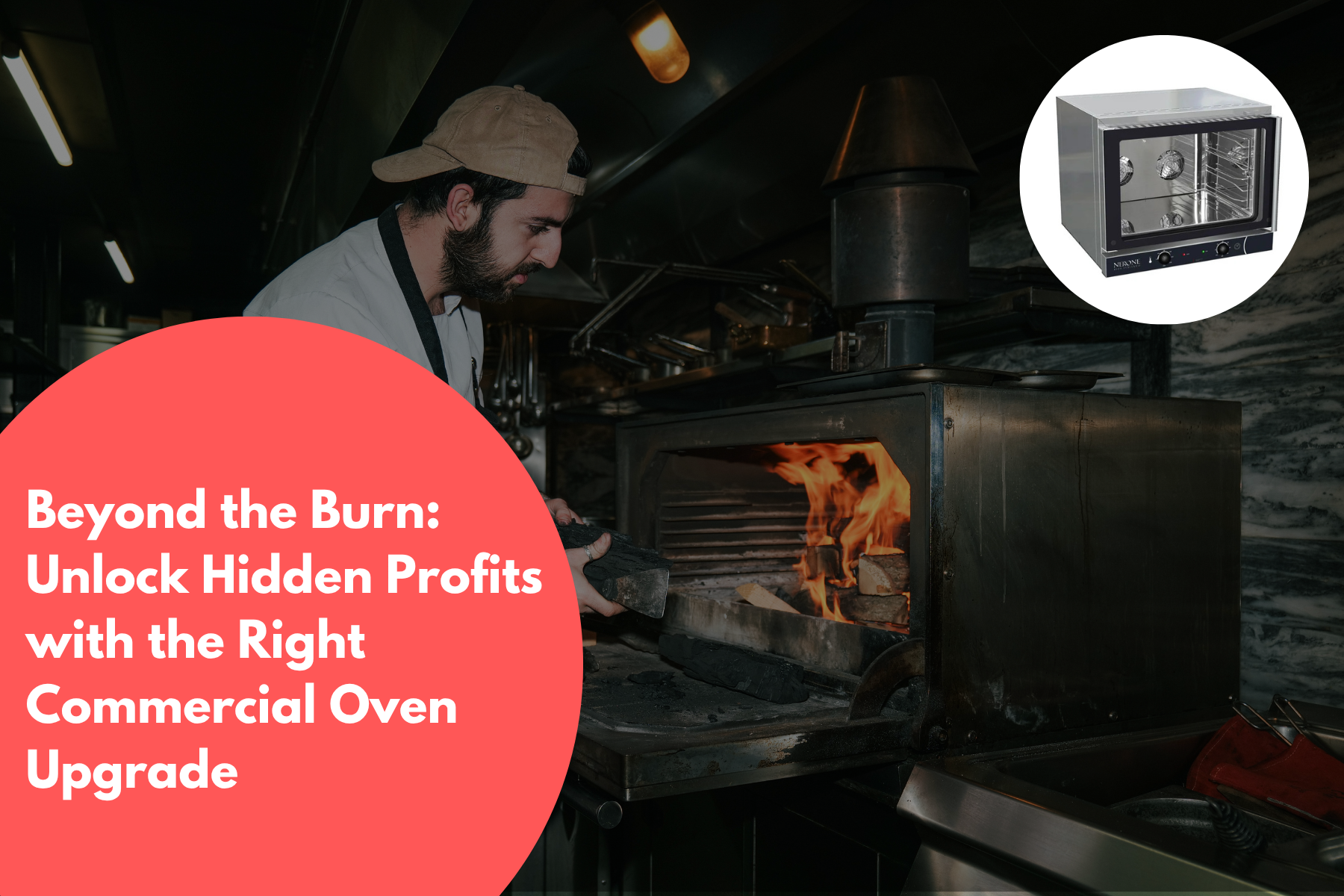
Outdated kitchen equipment is costing your business more than you realise. Old ovens waste energy, slow down service, and cause inconsistent food quality. Every minute lost in the kitchen racks up hidden expenses. It quietly eats into your profits. You might not notice it daily, but the numbers don’t lie. Upgrading to the right commercial oven isn’t just about new gear, it’s a strategic decision that changes your bottom line. Faster cooking. Lower energy bills. Consistent results. Your kitchen deserves that edge.
Maximise Efficiency and Cut Costs with a Commercial Oven Upgrade
Discover How the Right Commercial Oven Saves Energy and Money
Running a commercial kitchen is expensive. Energy costs alone take a significant bite out of your budget. Outdated ovens are often the biggest culprits behind high utility bills. Older models tend to use far more gas or electricity than newer, energy-effpopularicient alternatives. They lose heat quickly, take longer to cook, and require frequent maintenance. The longer your equipment runs inefficiently, the more your costs add up.
Upgrading to a modern commercial oven designed with energy efficiency in mind can reduce consumption sharply. Contemporary electric or gas ovens feature improved insulation, smart temperature controls, and precise heat distribution. They heat up faster and maintain stable internal temperatures. This results in shorter cook times and less wasted energy.
Consider this: an oven that heats up 20-30% faster means you’re running it for fewer hours each day. That adds up over time. Your kitchen saves on power or fuel, reducing monthly operating costs. Some ovens also offer standby modes or programmable cooking cycles that minimise energy use when idle.
But financial benefits go beyond saving bills. Faster cooking throughput enables your kitchen to serve more customers without needing to increase labour or operational hours. This boosts revenue potential and improves staff productivity.
While an oven upgrade is an upfront investment, the energy savings translate directly into lower overheads. Combined with reduced downtime and better output, the right upgrade quickly offsets its initial cost.


Perforated Aluminium Baking Tray 18×26″ (BT1826AP)
Add to Cart/Quote
This product has multiple variants. The options may be chosen on the product page

Perforated Aluminium Baking Tray 18×13″ (BT1813AP)
Add to Cart/Quote
This product has multiple variants. The options may be chosen on the product page
Key points to keep in mind:
- Assess your current oven’s energy consumption and inefficiencies.
- Choose ovens certified for energy efficiency or with smart controls.
- Calculate estimated savings based on your kitchen’s volume and hours.
- Remember that less energy use means a smaller carbon footprint too.
In short, a commercial oven upgrade is a practical, measurable way to cut costs and improve your kitchen’s energy footprint, critical for budget controllers and operations managers aiming to improve margins.
Boost Your Kitchen’s Performance: Choosing the Ideal Commercial Oven Upgrade
Key Features to Look for in an Energy-Efficient, High-Performance Oven
Selecting the right commercial oven is crucial. Not all ovens yield the same efficiency gains or performance improvements. You need an appliance that suits your kitchen’s capacity, menu requirements, and operational rhythm.
Here are the features to prioritise when evaluating commercial oven options:

Turbochef ECO Rapid Cook Oven with Panini Press (ECO.BANDIDO.BL)
- Fast Preheat and Recovery Times
Look for ovens that reach cooking temperature quickly and recover heat fast after opening the door. This keeps cook cycles consistent and efficient, reducing delays during busy periods. - Precise Temperature Control
Modern digital controls or touchscreen interfaces ensure accurate temperature settings. Precise heat prevents overcooking or undercooking, reducing waste and improving food quality. - Programmable Cooking Cycles
Ovens with programmable or preset cooking cycles allow staff to automate repeatable tasks, improving consistency and freeing up time for multitasking. - Versatility
Depending on your menu, an oven that handles multiple cooking methods, baking, roasting, steaming, grilling, offers flexibility. Combi ovens, for example, combine steam and convection heat, speeding cooking while maintaining moisture. - Energy Efficiency Ratings and Insulation
Choose ovens with a proven energy-saving design. Thick insulation and efficient heating elements prevent heat loss and reduce energy consumption. - Capacity and Layout
Size matters. Make sure the oven meets your kitchen’s volume needs without wasting space or energy. Deck ovens, convection ovens, and combi ovens come in various sizes and tray configurations. - Durable Build and Warranty
Robust construction and a strong warranty protect your investment. Quality ovens withstand daily wear and tear better and maintain performance longer.
Imagine a restaurant in the middle of dinner rush hour. Old ovens struggle, bottlenecking orders. After upgrading to an oven with fast recovery and programmable settings, the kitchen flows smoothly. Orders go out consistently and faster, staff stress drops, and customers leave happier.
Choosing the right oven isn’t about just buying new equipment; it’s about upgrading your kitchen’s capacity to perform reliably, saving time and energy.
Maintenance Matters: Reducing Downtime and Extending Oven Lifespan
Practical Tips to Minimise Repair Costs and Avoid Unexpected Breakdowns
An oven is only as good as its upkeep. Maintenance habits directly influence energy efficiency, performance, and lifespan. Frequent breakdowns cost money and disrupt operations, something no restaurant owner or operations manager wants.
Preventive maintenance is a must. This means regular cleaning, inspection, and minor adjustments rather than waiting for errors to appear.
Key maintenance practices include:
- Clean regularly: Food debris and grease build-up inside ovens lower efficiency and cause uneven cooking. Clean trays, fans, and surfaces per manufacturer recommendations.
- Check seals and doors: Faulty door seals and hinges cause heat loss, increasing energy use. Replace damaged seals immediately.
- Inspect heating elements: Worn or damaged heating elements can spike energy consumption. Scheduled checks and replacement are advisable.
- Calibrate controls: Over time, temperature gauges and sensors can drift. Calibration ensures oven accuracy, avoiding over- or under-cooking.
- Professional servicing: Annual or biannual checks by qualified technicians catch issues early. They maintain electrical or gas components per safety regulations.
Maintaining your oven minimizes unexpected downtime that can halt kitchen operations and hurt revenue. Repairs are also easier and cheaper when small problems are caught early.
Good maintenance extends the useful life of your oven, pushing back the need for expensive replacements. This improves your return on investment and helps operations run smoothly in the long term.
In sum:
- Regular maintenance saves money by avoiding big repairs.
- Efficient ovens cost less to run daily.
- Downtime costs, lost sales and customer satisfaction.
Operations managers and budget controllers play a key role in enforcing maintenance schedules and ensuring equipment stays in top shape. An oven upgrade goes hand in hand with a maintenance plan , don’t neglect it.
Understand Depreciation and Financial Impact of Upgrading Your Commercial Oven
How Depreciation Affects Budget Decisions and Maximises Return on Investment (ROI)
When considering a commercial oven upgrade, understanding the financial mechanics behind depreciation is essential. Depreciation isn’t just an accounting term, it directly influences your budget decisions and the true cost of the investment. Ignoring it can obscure the long-term benefits of replacing outdated equipment.
What is depreciation?
Depreciation is the gradual reduction in the value of your oven over time due to wear and age. It allows you to spread the cost of the equipment across its useful life instead of recognising the entire expense upfront. This approach aligns costs with the periods in which the oven generates revenue, giving a more accurate financial picture.
Why does this matter for your budget?
By factoring in depreciation, budget controllers can manage cash flow more effectively. Instead of a large capital expense hitting profits hard in one year, the cost is spread, making it easier to approve and plan for an upgrade. This also offers tax benefits as the depreciation expense can often be deducted, reducing taxable income.
Choosing the right depreciation method plays a role.
Straight-line depreciation, writing off equal amounts each year, is simple and predictable. However, accelerated depreciation methods allow higher expense recognition in the early years. This can be advantageous if you want to offset profits sooner, improving your immediate financial position.
Maximise Return on Investment
A commercial oven upgrade isn’t just a cost; it’s an investment. Depreciation helps you see the full picture by mapping out expenses over time. When you combine this with operational savings, like energy reduction and increased throughput, the ROI becomes clear.
For example, if a new oven costs $10,000 and its useful life is five years, straight-line depreciation would expense $2,000 per year. But if the upgraded oven saves you $3,000 annually in energy and productivity gains, you’re effectively making a net gain each year despite the depreciation expense.
Impact on asset management and resale value
Upgrading also means your kitchen’s assets stay modern and efficient, which maintains higher resale value. Keeping track of depreciation schedules helps when it’s time to sell or trade in old ovens. This financial insight ensures you’re not caught off guard by outdated equipment that holds little value.
Avoid the mistake of delaying based on depreciation concerns
Some hesitate to upgrade fearing they’ll lose the value of their current asset. While it’s natural to want to maximize existing equipment use, outdated ovens often have hidden costs, inefficient energy use, longer cook times, and higher maintenance. These costs accumulate faster than depreciation reduces oven value.
Bottom line:
Depreciation lets you align expenditure with benefits, easing budget approvals and clarifying the financial gains of a commercial oven upgrade. Don’t let hesitation around asset value cost you more in inefficiency and lost profits. The right upgrade is a calculated investment that pays off steadily. Smart depreciation management ensures you capture the maximum return.
On SALE Products
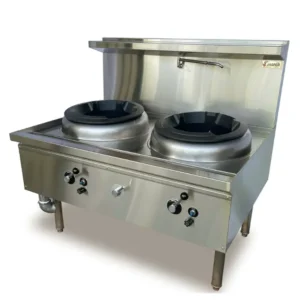
Jasper Wok Range 2 Hole Duckbill Burner (JA-2DB-N/L)
Add to Cart/Quote
This product has multiple variants. The options may be chosen on the product page
Realising ROI: Measuring the True Benefits of a Commercial Oven Upgrade
Assessing Energy Savings, Productivity Gains, and Overall Profit Increase
Upgrading your commercial oven can deliver clear, measurable financial benefits. But knowing how to quantify these returns is key for restaurant owners, budget controllers, and operations managers aiming to justify the investment.
Start with three primary areas where gains show up:
- Energy Savings
Older ovens often consume significantly more energy than their modern counterparts. Newer models use advanced insulation, precise temperature controls, and smarter heating elements to reduce electricity or gas consumption.
Calculate savings by comparing past utility bills with expected consumption post-upgrade. If your energy costs run to $1,000 per month for oven use and a new unit saves 20%, that’s a $200 monthly cut, $2,400 a year straight back into your bottom line.
- Productivity Gains
Faster cook times and larger capacity improve throughput during peak service hours. This translates to serving more customers without adding staff or extending shifts.
Imagine your kitchen can prepare dishes 20% faster due to an upgraded oven’s enhanced heat distribution. During a busy dinner rush, this means shorter wait times, more satisfied customers, and increased turnover.
Track this by measuring the number of covers served before and after the upgrade or monitor average preparation time per dish.
- Improved Consistency and Quality
Consistent cooking temperature reduces waste and improves dish quality. Fewer burnt or undercooked orders mean less food thrown away and fewer customer complaints.
Quantify this by tracking ingredient costs and waste reduction. Even a small percentage drop in spoilage adds directly to your profits.
Combine These Metrics for ROI Assessment
- Calculate annual cost savings on energy.
- Estimate revenue growth from increased capacity and faster service.
- Consider reducing waste and maintenance costs.
Then factor in the total cost of the oven upgrade, including installation and any downtime during the switch.
A simple ROI formula looks like this:
(Total Annual Benefits – Annualised Upgrade Cost) ÷ Annualised Upgrade Cost x 100 = ROI %
If this percentage is positive and significant, the upgrade proves financially sensible.
Hypothetical Scenario: Imagine a restaurant with a single, outdated oven struggling to keep up on Friday nights. After upgrading to a high-performance, energy-efficient oven, the kitchen handles orders 25% faster, cuts energy bills by $2,500 annually, and reduces food waste by 15%. The net profit impact is unmistakable and supports ongoing investment in modern kitchen gear.
Regular Monitoring is Essential
Maintaining awareness of these performance metrics over time realises the full advantage. Budget controllers can then report ongoing savings and justify future upgrades or expansions confidently.

Financing Options and Next Steps to Upgrade Your Commercial Oven
Flexible Solutions to Help You Upgrade Without Stalling Your Budget
Once you understand the financial impact and strong ROI of a commercial oven upgrade, the next challenge is funding it without disrupting cash flow.
Here are practical financing options tailored to restaurant owners, budget controllers, and operations managers to consider:
- Equipment Leasing
Leasing allows you to use the oven immediately with lower upfront costs. Monthly payments spread over the lease term keep expenses predictable and manageable. Plus, lease agreements often include maintenance and upgrades, reducing downtime risks. - Hire Purchase (HP)
With hire purchase, you spread payments over an agreed period. Ownership transfers once all payments are complete, combining manageable budgeting with eventual asset control.
HP is best if you prefer to own equipment outright without a big upfront hit. - Business Loans
Existing banking relationships or specialised small business loans can finance your upgrade. Competitive interest rates and tailored repayment schedules make this option feasible, especially if you have solid financials demonstrating ROI from the investment. - Government Grants and Tax Incentives
Explore whether government grants or incentives for energy-efficient equipment apply in your area. These programmes can substantially reduce capital expenditure by subsidising green upgrades. - Financing from Caterware
At Caterware, we offer tailored financing solutions designed specifically for commercial kitchen equipment purchases. Our flexible terms mean you don’t have to delay upgrading due to budget constraints. Speak directly with our finance specialists to design a plan that suits your cash flow.
Next Steps to Take Now
- Assess your current oven and kitchen needs: Gather energy bills, maintenance records, and productivity data.
- Contact suppliers like Caterware: Request detailed quotes and financing plans.
- Calculate your projected savings: Use the ROI approach described earlier.
- Decide on a financing route: Choose what fits your budget and ownership preferences.
- Schedule your upgrade at a low-impact time: Minimise service disruption by planning installation during off-peak hours.
Upgrading your commercial oven doesn’t have to drain your resources. With the right financing strategy, the cost becomes an investment in efficiency and profitability, paying for itself in months, not years.
Don’t let outdated kitchen equipment silently drain your profits any longer. Contact Caterware today at 1801 22837 1 to discuss your commercial oven upgrade options.
We’ll help you find the right oven and the perfect financing solution so you can start saving energy, boosting productivity, and improving consistency, right now.