 Rent-Try-Buy
With SilverChef |
Apply Now


Automatic Kebab Machines: How to Choose the Right Model for Your Business
29
Oct
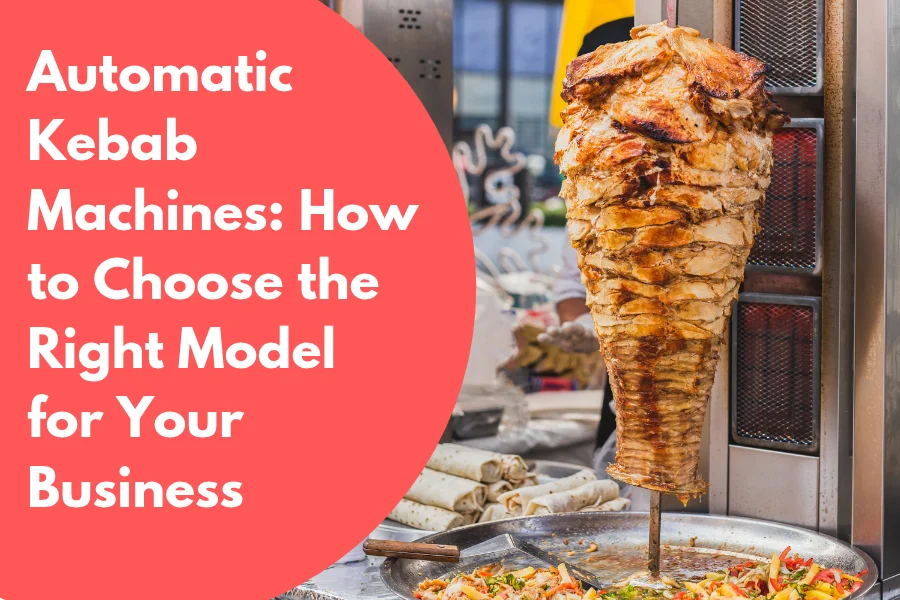
Automatic kebab machines help busy takeaway shops and restaurants keep meat rotating during cooking without constant manual turning. For high-volume food businesses, this removes a repetitive task that can distract staff during peak service.
In a busy kebab shop, employees need to shave meat, prepare ingredients, assemble meals and serve customers while monitoring the cooking equipment. When the spit also requires manual turning, it creates another task for an already busy team.
A motorised kebab machine handles rotation automatically, helping maintain consistent heat exposure while staff concentrate on food preparation and customer orders. Combined with suitable burners, adjustable heating and the right meat capacity, it can make the kebab station easier to manage.
At Caterware, we supply commercial kebab equipment for Australian takeaway shops, restaurants and other foodservice businesses. Choosing the right machine involves more than comparing prices or counting burners.
This guide explains how automatic kebab machines work, where automation offers practical advantages and what to consider when choosing equipment for your kitchen.
How Can Automatic Kebab Machines Improve Kitchen Productivity?
Automatic kebab machines simplify the cooking process by keeping the vertical spit rotating without repeated manual intervention. For businesses preparing kebabs throughout lunch and dinner service, this means staff can spend less time managing rotation and more time handling other kitchen responsibilities. However, automatic rotation does not replace an experienced operator. Staff must still monitor cooking progress, adjust the heat, shave cooked portions and follow food safety procedures. The benefit is not eliminating labour. It is reducing one repetitive task that can interrupt the kitchen’s workflow.
Reduce Manual Tasks During Busy Service
Consider a takeaway shop during a busy lunch period. One employee is shaving meat while another prepares salads, sauces and bread. Orders continue arriving, and staff need to keep meals moving through preparation and service.
If the spit requires frequent manual turning, someone must interrupt another task to manage it. An automatic kebab machine keeps the meat rotating mechanically, allowing employees to focus on preparing meals, monitoring cooking and serving customers. This can be particularly useful when a small team manages several responsibilities throughout a shift.
Whether automation produces measurable labour savings depends on how the business operates. The practical question is how often manual turning interrupts staff and whether removing that task would improve service.
Maintain More Consistent Rotation and Heat Exposure
Automatic rotation can also help create a more repeatable cooking process. With manually operated equipment, the frequency and timing of rotation may vary between employees. A motorised spit rotates at a controlled rate, exposing the meat to the heat source more consistently. This can help reduce variation associated with manual turning, particularly when operators correctly adjust the burners and meat position.
However, motorised rotation alone does not guarantee uniform cooking. Meat thickness, burner performance, cooking time and distance from the heat source all affect the result. Staff must continue monitoring the roasting process and checking that meat is cooked and served safely.
According to Food Standards Australia New Zealand’s food-processing guidance, cooking chicken and minced meat to an internal temperature of at least 75°C is an example of a food-safe cooking process. For kebab businesses using automatic rotating spits, this highlights the importance of checking meat temperatures and following suitable cooking procedures. Consistent rotation helps manage heat exposure, but it does not replace food-temperature monitoring.
Automatic rotation provides consistency in movement. Proper heating control and operator judgement remain essential.
How Automatic Kebab Machines Work
Automatic kebab machines use a motor-driven vertical spit to rotate stacked meat in front of a heating system, commonly consisting of multiple gas burners.
As the spit turns, the outer surface of the meat is exposed to heat. Operators shave appropriately cooked portions from the outside while the remaining meat continues roasting.
The machine must support the weight of the meat, maintain reliable rotation and provide sufficient heating control for commercial cooking.
Operators also need safe access to the spit for shaving, adjustment and cleaning.
Understanding these functions makes it easier to compare equipment based on practical cooking requirements rather than price or appearance alone.
Rotation Motors, Burners and Heat Adjustment
The rotation motor drives the vertical spit at a controlled rate, removing the need for continuous manual turning. The burners provide the heat required for roasting. On machines with individually controlled burners, operators can adjust separate heating zones according to the size and shape of the meat stack.
This flexibility becomes important during service. As cooked meat is shaved away, the stack decreases in diameter and its distance from the heat source changes. Operators may need to adjust the heat or meat position to maintain suitable cooking conditions. Some commercial models include adjustable meat carriers or burner positioning to provide greater control. Together, motorised rotation, burner adjustment and appropriate meat positioning help operators manage the roasting process.
Automatic rotation should not be confused with automatic slicing. A motorised kebab machine still requires staff to shave cooked meat unless it includes a separate automated cutting system. This distinction matters when comparing equipment advertised as automatic.
How to Choose the Right Commercial Kebab Machine
Choosing a commercial kebab machine starts with understanding your kitchen’s cooking requirements.A larger machine may appear more suitable for a busy takeaway business, but additional capacity is not always an advantage. An oversized unit can occupy valuable kitchen space and may be unnecessarily costly for a business preparing smaller quantities of meat. A machine with insufficient capacity creates the opposite problem. It may not accommodate the meat loads needed during busy service periods. Before comparing models, consider your typical meat quantities, busiest trading periods, available workspace and kitchen infrastructure.
small-machine section.
| Model | Burner configuration | Meat capacity | Product link |
|---|---|---|---|
| GasMax KB-3 Semi-Automatic | 3 burners | 29kg | View KB-3 |
| Ozsarac & Sons AC05-4B Automatic | 4 burners | 90kg | View AC05-4B |
| Ozsarac & Sons AC05-5B Automatic | 5 burners | 90kg | View AC05-5B |
Comparing kebab machines by burner count and meat capacity can help narrow the available options. A three-burner model with a lower meat capacity may suit kitchens preparing smaller loads, while four and five-burner machines provide alternative configurations for different production requirements. Check the machine’s operating format, dimensions and connections before making a purchasing decision.
Match Meat Capacity and Burners to Your Service Volume
Commercial kebab machines come with different meat capacities and burner configurations. A smaller machine may be suitable for a food van, compact takeaway shop or restaurant selling kebabs alongside other menu items. A larger five-burner machine may be more appropriate for an established kebab shop preparing substantial quantities of meat throughout the day.
However, maximum meat capacity is not the same as daily production. For example, a machine rated to hold 90kg of meat does not necessarily produce 90kg of cooked, saleable meat during one service period. Actual output depends on the meat, cooking conditions, shaving requirements and operating time.
Before choosing a machine, consider three questions:
- How much meat do you prepare during your busiest service? Choose a machine that accommodates your normal cooking loads.
- Would one large spit suit your menu and workflow? Smaller cooking loads may be more practical when demand varies throughout the day.
- Will your requirements change as the business grows? Consider future demand without paying for unnecessary capacity.
Burner configuration should also suit the size and height of the meat stack.
Multiple burners can provide heating coverage across a larger vertical area. Individually controlled burners allow operators to adjust different heating zones as the meat changes shape.
More burners do not automatically mean faster cooking or greater efficiency. Their suitability depends on the machine’s design, burner performance and intended cooking load.
Is a Small Doner Kebab Machine Suitable for Your Business?
A small doner kebab machine may be suitable for takeaway shops, food trucks and restaurants preparing smaller meat quantities. Choosing a compact model depends on daily demand, available kitchen space and the number of kebab orders handled during busy service periods.
A smaller commercial kebab machine can provide a practical option when a large-capacity unit would exceed the kitchen’s normal production requirements. Before selecting equipment, compare the maximum meat capacity, burner configuration, machine dimensions and gas or electrical connections.
For example, Caterware supplies the GasMax Semi-Automatic 3 Burner Kebab Machine (KB-3), which has a listed 29kg meat capacity and three infrared ceramic burners.
This provides a lower-capacity option to compare with larger commercial kebab machines. Operators should still check whether its semi-automatic operation, cooking capacity and installation requirements suit their business.
Check Kitchen Space, Gas Supply and Electrical Requirements
A commercial kebab machine needs enough space for safe operation, cleaning and staff access. The equipment should fit within the designated cooking area without obstructing nearby appliances or food preparation stations. Before purchasing, check the machine’s dimensions and allow for ventilation, required clearances and access for maintenance.
Gas compatibility is equally important. Commercial kebab machines may be available in natural gas or LPG configurations, but these are not automatically interchangeable. The machine must be configured for the selected gas type, and installation must meet applicable Australian requirements. An appropriately licensed professional should assess and complete the gas installation. Motorised machines also require an electrical supply that meets the manufacturer’s specifications.
Before ordering, check:
- Machine dimensions and operating clearances
- Available bench or stand space
- Natural gas or LPG compatibility
- Gas connection requirements
- Electrical supply and connection type
- Ventilation and exhaust arrangements
- Cleaning and maintenance access
- Delivery and installation access
For businesses setting up a new kitchen, plan the kebab station alongside other cooking and preparation equipment.
Our guide to starting a kebab shop covers broader equipment and planning considerations for takeaway businesses.
For further guidance on matching cooking equipment and slicers to your shop’s production requirements, read Caterware’s Veysels Kebab Machines and Slicers Guide.
Automatic vs Manual Kebab Machines: Which Is Better for Your Business?
Automatic and manual kebab machines perform the same basic cooking function, but they differ in how the meat rotates. Manual machines require staff to turn the spit. Automatic machines use a motor to maintain rotation without repeated intervention. For a smaller operation preparing occasional kebab orders, manual rotation may be manageable.
A busy takeaway shop with continuous demand may benefit more from a motorised machine, particularly when employees regularly move between cooking, preparation and customer service. Automatic rotation also provides a more repeatable rotation rate. With manual equipment, turning depends on the operator.
However, both types require staff to manage the heat, monitor cooking, shave meat and maintain food safety. Manual machines may have a lower initial purchase cost and fewer motor-related components. Automatic equipment includes motors and electrical components that may require servicing. The best option depends on how the equipment will be used and whether the practical benefits of motorised rotation justify the additional investment.
When Is Automatic Rotation Worth the Investment?
Automatic rotation is worth considering when staff frequently interrupt other tasks to turn the spit.
During busy service periods, even brief interruptions can affect how smoothly employees manage food preparation and orders.
A motorised machine removes that particular task, allowing staff to concentrate on responsibilities that still require their attention.
It can also provide a more repeatable approach when several employees operate the kebab station across different shifts.
However, businesses should not assume automatic rotation will reduce staffing costs.
Any financial benefit depends on service volume, staffing arrangements and the time currently spent managing manual rotation.
Consider whether the machine solves an existing operational problem before paying more for automation.
Ozsarac & Sons AC05-5B: A High-Capacity Automatic Kebab Machine
For Australian businesses considering larger commercial kebab machines, Caterware supplies the Ozsarac & Sons AC05-5B Automatic Kebab Machine. This model combines motorised rotation, five individually controlled burners and a maximum meat capacity of 90kg. It is an option for foodservice operators handling substantial meat loads and requiring adjustable heating throughout the roasting process.
The AC05-5B is worth considering when your business needs a larger vertical spit and greater control over burner settings and meat positioning. However, its maximum capacity should be assessed against your actual cooking requirements. A smaller operation may not need the capacity of a five-burner machine, while a business preparing larger meat stacks may benefit from its heating configuration and adjustable components.
Five Burners, 90kg Capacity and Adjustable Heating
The Ozsarac & Sons AC05-5B has the following specifications listed in the supplied product information.
| Product specification | Ozsarac & Sons AC05-5B |
| Maximum meat capacity | 90kg |
| Burner configuration | Five burners with individual controls |
| Operation | Motorised rotation |
| Construction | Stainless steel |
| Gas options | Natural gas or LPG |
| Electrical requirement | 240V, 10A |
| Meat positioning | Adjustable meat carrier and heat positioning |
| Burner adjustment | Forward and backward adjustment |
| Product dimensions | 570 × 600 × 1150mm (W × D × H) |
| Ignition | Auto-ignition |
| Listed warranty | 12 months parts and labour |
The individually controlled burners allow operators to adjust heating across different sections of the meat stack.
Adjustable burner positioning and the meat carrier provide additional control over the relationship between the meat and heat source.
These features become useful as the meat is shaved away and the stack gradually changes shape.
Stainless steel construction is a practical material choice for commercial food preparation environments, although regular cleaning and maintenance remain necessary.
The 90kg maximum capacity makes the AC05-5B an option for businesses preparing larger meat loads. Operators should still choose loading quantities based on their production requirements and the manufacturer’s instructions.
For specifications and purchasing information, view the Ozsarac & Sons AC05-5B Automatic Kebab Machine at Caterware.
What to Confirm Before Installing the AC05-5B
Before ordering the AC05-5B, confirm that your premises can accommodate its gas, electrical and installation requirements.
The supplied product information lists:
- A 240V, 10A electrical connection
- A ½-inch gas inlet
- Natural gas consumption of 50MJ/hr
- LPG consumption of 60MJ/hr
These figures should be reviewed with a licensed gas installer to determine whether the machine suits the available supply and installation arrangements.
You should also confirm the machine’s final dimensions and required operating clearances.
Published product dimensions may not represent the total space needed for ventilation, safe access and maintenance.
Check the selected gas configuration, installation arrangements and current manufacturer specifications before committing to purchase.
A machine can have the right cooking capacity but still be unsuitable for a kitchen if the required connections or operating clearances cannot be accommodated.
Choose an Automatic Kebab Machine That Fits Your Kitchen
The right automatic kebab machine should match your meat volumes, service demands and available kitchen space.
Motorised rotation can reduce manual turning and help staff manage the kebab station during busy periods. However, capacity, burner controls and installation requirements are equally important.
For businesses preparing larger meat loads, the Ozsarac & Sons AC05-5B offers a five-burner configuration, adjustable heating and a listed maximum capacity of 90kg.
Smaller operations should consider whether they need that capacity or whether another machine would better suit their workload.
Caterware’s commercial kebab machine range includes different burner configurations, cooking capacities and operating formats. Compare the available models against your kitchen space, meat preparation requirements and expected service volume.
Choosing equipment based on how your kitchen operates can help you avoid unnecessary capacity and select a machine that supports your daily cooking requirements.
Speak to Caterware About Commercial Kebab Equipment
At Caterware, we supply commercial kebab machines and other catering equipment for Australian food businesses.
Whether you’re replacing an older machine, expanding your takeaway operation or fitting out a new kitchen, selecting suitable equipment starts with understanding your cooking requirements.
Our team can help you review available options and product specifications before making a purchasing decision.
View the Ozsarac & Sons AC05-5B Automatic Kebab Machine or contact Caterware to discuss your kitchen requirements and choose the right commercial kebab equipment for your business.
Frequently Asked Questions About Automatic Kebab Machines
Do automatic kebab machines cook meat faster?
Not necessarily. Automatic rotation controls how the meat moves past the heat source, but cooking speed depends on burner performance, meat size, heating adjustments and cooking conditions.
A motorised machine may make the cooking process easier to manage, but faster cooking should not be assumed without comparing individual machine specifications.
How much meat can an automatic kebab machine hold?
Maximum meat capacity varies between commercial models.
For example, the Ozsarac & Sons AC05-5B has a listed maximum capacity of 90kg.
This is the amount of meat the machine can support, not the quantity of cooked meat it will produce per hour or during a trading day.
Choose capacity based on your normal cooking loads and expected service requirements.
Is a five-burner kebab machine better for high-volume businesses?
A five-burner machine may suit businesses preparing larger meat stacks because it provides heating across a greater vertical area.
Models with individually controlled burners also allow operators to adjust separate heating zones during cooking.
However, burner quantity alone does not determine performance. Meat capacity, burner output, heating controls and kitchen requirements should all influence the decision.
Can an automatic kebab machine reduce labour costs?
Automatic rotation reduces the need for employees to turn the spit manually.
Whether this produces actual labour savings depends on staffing arrangements, service volume and how frequently manual turning currently requires attention.
Staff must still monitor cooking, shave meat, prepare orders, clean equipment and follow food safety procedures.
Should I choose natural gas or LPG for a kebab machine?
Both natural gas and LPG can be suitable when the machine is designed and configured for the selected fuel.
Natural gas may be convenient where a suitable supply already exists. LPG may be appropriate for premises with compatible LPG infrastructure.
The decision depends on gas availability, machine compatibility, installation requirements and operating costs.
Confirm the selected configuration and installation suitability with a licensed professional before ordering.
What should I check before buying an automatic kebab machine in Australia?
Start with the machine’s maximum meat capacity, burner configuration and suitability for your daily service volume.
Check the available kitchen space, gas supply, electrical requirements, ventilation, cleaning access and maintenance needs.
You should also confirm applicable Australian compliance requirements, warranty coverage, delivery arrangements and current manufacturer specifications.
If you’re unsure which model suits your premises, contact Caterware to discuss your requirements before purchasing.