 Rent-Try-Buy
With SilverChef |
Apply Now
Rent-Try-Buy
With SilverChef |
Apply Now


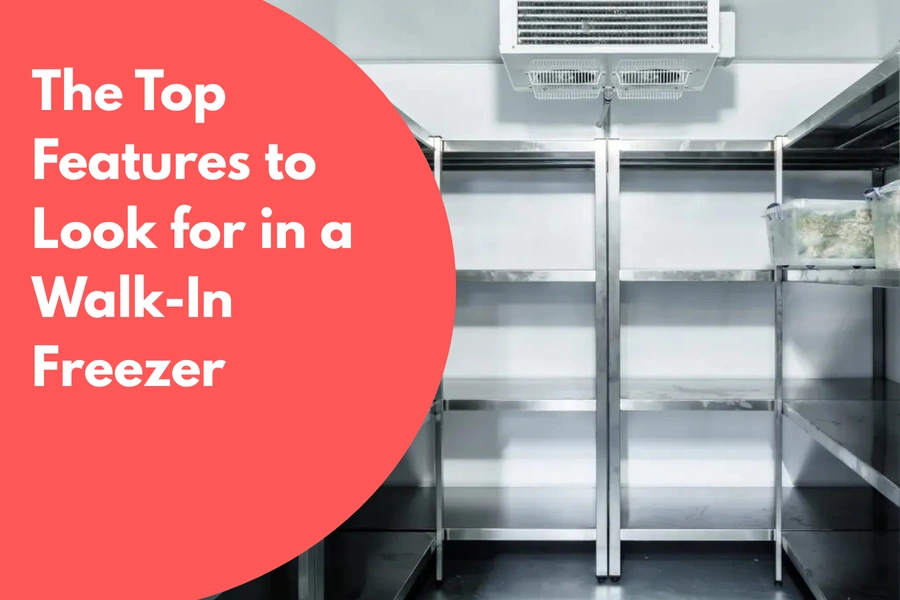
The Top Features to Look for in a Walk-In Freezer
09
Mar
In a commercial kitchen, few pieces of equipment carry as much responsibility as the freezer. Behind every smooth dinner service, every successful catering event, and every compliant food safety audit sits a refrigeration system working quietly around the clock. For Australian commercial kitchen operators, choosing the right walk-in freezer is not simply a purchasing decision. It is a strategic investment in reliability, efficiency, and long-term operational performance.
A walk-in freezer protects high-value stock, preserves food quality, supports bulk purchasing, and ensures regulatory compliance. When a freezer system fails, the financial and reputational consequences can be immediate and severe. Understanding the key technical and structural features of a commercial walk-in freezer is therefore essential before committing to installation.
This guide takes a practical look at the features that define a high-quality walk-in freezer and how to evaluate them based on the real demands of commercial kitchens in Australia.
Why Walk-In Freezers Are Essential Kitchen Infrastructure
Step inside any large restaurant, hotel, or catering production facility and you will quickly realise that the walk-in freezer is far more than simple storage space. It supports daily operations behind the scenes.
Bulk meat deliveries, frozen seafood, prepared sauces, pastry components, pre-portioned meals and emergency backup stock all depend on stable freezing conditions. According to the Australian Bureau of Statistics, Australia’s retail food sector generates tens of billions of dollars in monthly turnover, meaning large volumes of perishable products must be stored safely and efficiently across supermarkets, restaurants and food service businesses.
In Australia, freezer systems must also cope with challenging environmental conditions. Summer temperatures can exceed 35°C, placing additional strain on refrigeration equipment. Choosing a freezer engineered for high ambient environments ensures the system can maintain stable internal conditions even during extreme weather.
Insulation: The Foundation of Freezer Performance
One of the most important features of any walk-in freezer is insulation quality.
Freezer panels are typically constructed using high-density polyurethane foam sealed between metal skins. For freezer applications, panel thickness of around 100 mm is common, although thicker panels may be recommended in warmer regions of Australia.
High-quality freezer systems usually include:
• Precision cam-lock panel construction
• Vapour-sealed joints to prevent moisture penetration
• Thermal breaks to reduce condensation
• High-density foam for improved thermal resistance
Poor insulation allows heat transfer, forcing compressors to work harder to maintain -18°C storage temperatures. Over time this increases energy consumption and accelerates equipment wear.
Well-insulated panels help maintain stable freezing conditions while reducing mechanical strain and operating costs.
Refrigeration System Engineering
At the core of every commercial freezer is the refrigeration system itself. Proper engineering and component selection are critical for long-term performance.
The compressor must be correctly sized for the freezer’s internal volume and the surrounding ambient temperature. Units that are undersized may struggle during peak demand or when doors are opened frequently.
A well-designed system typically includes:
• Heavy-duty compressors rated for high ambient temperatures
• Balanced evaporator coils to distribute cold air evenly
• Efficient condenser units
• Reliable refrigerant technology
Another key factor is temperature recovery speed. Each time a freezer door opens, warm air enters the storage space. A high-quality refrigeration system restores safe freezing temperatures quickly, helping maintain product safety and protecting mechanical components from excessive strain.
Door Design and Durability
Freezer doors experience constant use in busy kitchens, making them one of the most critical structural components.
Poorly designed doors can lead to air leakage, frost build-up, and energy loss. Strong door construction improves both durability and energy efficiency.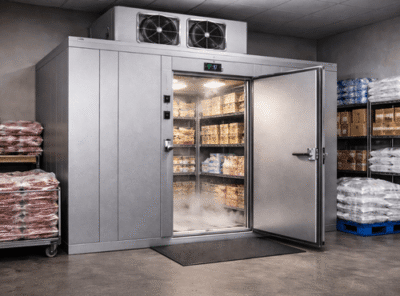
Important door features include:
• Heavy-duty insulated door panels
• Magnetic gasket seals for airtight closure
• Self-closing hinge mechanisms
• Heated door frames to prevent ice formation
• Internal safety release handles
Heated door frames are particularly important in freezer environments because they prevent condensation from freezing along the door edges, which can damage seals and interfere with proper closure.
Flooring Strength and Load Capacity
Commercial walk-in freezers often support significant weight. Bulk cartons of meat, frozen seafood containers, storage racks, and pallet loads can place heavy stress on flooring systems.
Strong flooring construction typically includes:
• Reinforced structural panels
• High load-bearing capacity
• Non-slip finishes for workplace safety
• Optional stainless steel flooring upgrades
In larger facilities, flooring may also need to accommodate pallet jacks or forklifts. Durable flooring improves both safety and long-term structural stability.
Airflow Design and Internal Circulation
Consistent airflow inside the freezer helps maintain uniform temperatures throughout the storage space.
Well-designed freezer systems position evaporator units strategically to distribute cold air evenly. Balanced airflow prevents temperature variations between shelving levels.
Key airflow considerations include:
• Proper evaporator placement
• High-velocity airflow systems
• Clear airflow pathways between shelving and walls
• Adequate spacing around stored products
Poor airflow can create temperature inconsistencies, increasing the risk of product degradation and frost accumulation.
Defrost Systems and Ice Management
In humid environments, frost build-up is unavoidable without proper defrost management.
Modern commercial freezers use automated defrost systems to remove ice accumulation from evaporator coils. These systems may include:
• Electric defrost cycles
• Hot gas defrost technology
• Programmable automatic defrost schedules
Effective defrost management prevents airflow blockage and maintains efficient cooling performance.
Digital Monitoring and Temperature Control
Food safety regulations in Australia require frozen goods to be stored at consistent temperatures. Reliable monitoring systems help operators maintain compliance.
Many modern walk-in freezers include:
• External digital control panels
• Accurate temperature sensors
• Visual and audible temperature alarms
• Data logging for compliance records
• Optional remote monitoring capabilities
Integrated monitoring systems simplify documentation and help detect issues early before they escalate into equipment failures.
Energy Efficiency and Operating Costs
Because freezers run continuously, energy efficiency plays a major role in long-term operating costs.
Modern freezer systems incorporate several energy-saving technologies, including:
• High-efficiency compressors
• LED internal lighting
• Advanced insulation panels
• Smart defrost cycles
• Environmentally responsible refrigerants
Although energy-efficient systems may require a higher upfront investment, they often provide significant savings over the life of the equipment.
Compliance with Australian Standards
Commercial freezer installations must meet strict regulatory requirements to ensure food safety and workplace protection.
Key compliance considerations include:
• Electrical safety standards
• Food safety regulations
• Workplace health and safety guidelines
• Building code requirements
Features such as internal emergency release handles and non-slip flooring help protect staff working inside freezer environments.
Modular Design and Future Expansion
Many modern freezer systems use modular panel construction. This design offers flexibility for future expansion.
Modular systems allow operators to:
• Increase storage capacity
• Connect multiple cool rooms or freezer rooms
• Create multi-compartment storage layouts
• Adjust the internal configuration
For growing restaurants and catering operations, scalable freezer systems provide long-term adaptability.
Maintenance Access and Serviceability
Preventative maintenance is essential for maintaining freezer reliability.
Well-designed systems allow technicians easy access to key components such as compressors, condensers, and electrical controls. Accessible service panels simplify maintenance tasks and reduce downtime during repairs.
Efficient drainage systems and well-positioned service points also improve long-term serviceability.
Sustainability and Environmental Responsibility
Sustainability is becoming an important consideration for hospitality operators across Australia.
Many modern commercial freezer systems now incorporate:
• Low global warming potential refrigerants
• Reduced energy consumption technologies
• Long-life LED lighting
• High-performance insulation materials
Choosing environmentally responsible equipment supports sustainability initiatives while reducing operational costs.
Warranty and After-Sales Support
Even high-quality refrigeration equipment requires servicing during its lifespan. Reliable warranty coverage and local support help protect your investment.
Before purchasing a freezer system, consider:
• Warranty length and coverage
• Spare parts availability within Australia
• Access to qualified service technicians
• Manufacturer responsiveness
Strong after-sales support ensures that any issues can be resolved quickly without disrupting kitchen operations.
Making the Right Investment
Selecting the right walk-in freezer requires careful planning. Operators should consider several factors before installation, including:
• Required storage capacity
• Frequency of door access
• Ambient kitchen temperatures
• Peak production demands
• Future business expansion
A well-designed freezer supports operational efficiency and protects valuable inventory.
What Makes a Walk-In Freezer Worth the Investment
Choosing the right walk-in freezer requires careful evaluation of insulation quality, refrigeration performance, airflow design, energy efficiency, and regulatory compliance.
For commercial kitchens across Australia, freezer reliability plays a crucial role in food safety, cost control, and operational continuity. A properly engineered system maintains stable freezing temperatures, supports efficient storage, and helps protect valuable stock.
When selected carefully and maintained correctly, a walk-in freezer becomes essential infrastructure that supports daily kitchen operations for many years.
If you are planning to upgrade your commercial refrigeration equipment, Caterware offers high-quality walk-in freezers and commercial kitchen refrigeration solutions designed for durability and efficiency.
Contact us today to discuss the right freezer system for your kitchen and explore reliable refrigeration equipment that supports your business operations.
Frequently Asked Questions
1. What temperature should a commercial walk-in freezer maintain?
Commercial walk-in freezers should typically maintain temperatures of −18°C or lower to ensure frozen food remains safe and preserves quality according to food safety guidelines.
2. How thick should walk-in freezer insulation panels be?
Most commercial walk-in freezers use insulation panels around 100 mm thick, constructed with high-density polyurethane foam to maintain stable freezing temperatures and improve energy efficiency.
3. Why do freezer doors need heated frames?
Heated door frames prevent condensation from freezing around door edges. This helps stop ice build-up, protects door seals, and ensures the freezer door closes properly.
4. How often should a walk-in freezer be serviced?
Commercial freezers should be professionally serviced at least once or twice per year. Regular maintenance helps identify issues such as refrigerant leaks, compressor strain, or airflow restrictions before they cause system failure.
5. What causes frost build-up inside walk-in freezers?
Frost build-up usually occurs when warm air enters the freezer through frequent door openings, damaged seals, or poor airflow, causing moisture to freeze on internal components.
6. Are energy-efficient walk-in freezers worth the investment?
Yes. Energy-efficient walk-in freezers may cost more initially, but they often reduce long-term electricity consumption, lower operating costs, and extend equipment lifespan.
7. What industries commonly use walk-in freezers?
Walk-in freezers are widely used in restaurants, supermarkets, hotels, catering production kitchens, hospitals, and food distribution facilities where large volumes of frozen products must be stored safely.