 Rent-Try-Buy
With SilverChef |
Apply Now
Rent-Try-Buy
With SilverChef |
Apply Now


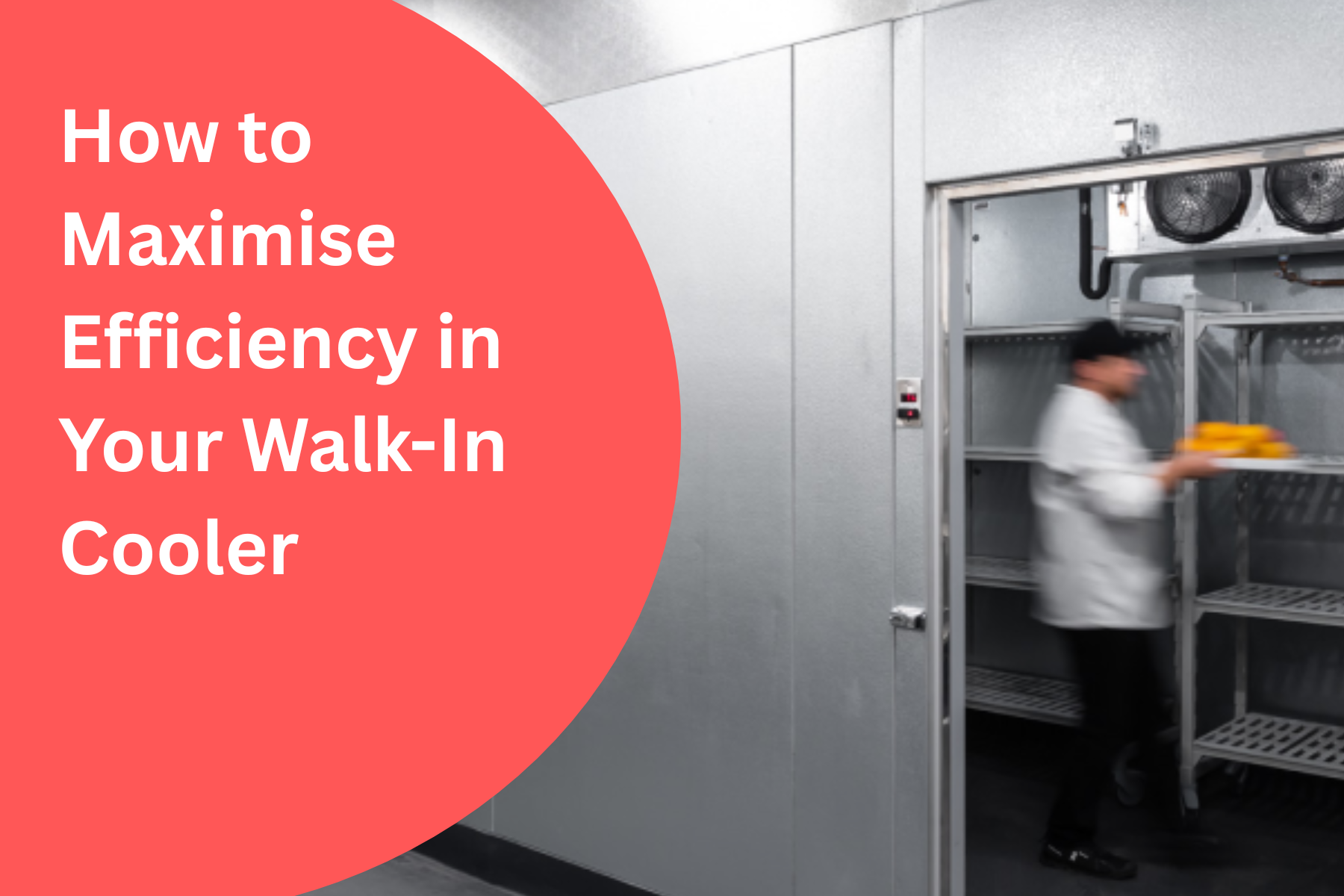
How to Maximise Efficiency in Your Walk-In Cooler
02
Mar
For restaurant owners and supermarket operators across Australia, refrigeration is far more than just another appliance running in the background. It is one of the most significant ongoing operational costs in any food-related business. A walk-in cooler runs continuously, protecting thousands of dollars’ worth of fresh stock every day. When refrigeration systems are not operating efficiently, energy waste, unstable temperatures, and increased equipment strain can quietly erode profit margins.
Improving walk-in cooler efficiency is one of the most practical ways to control operating costs while protecting valuable inventory. Fortunately, improving performance does not always require expensive upgrades. In many cases, better operational practices, regular maintenance, and smart system management can significantly improve results.
Whether you operate a busy restaurant kitchen in Sydney, a regional supermarket in Victoria, or a food distribution facility in Queensland, maintaining an efficient refrigeration system helps improve profitability, sustainability, and food safety compliance.
This guide outlines practical strategies that can help maximise the performance and reliability of commercial walk-in coolers in Australian food service environments.
The Financial Impact of Refrigeration Efficiency
Many business owners underestimate how much energy refrigeration consumes over time. Because a walk-in cooler runs 24 hours a day, even small inefficiencies can quickly compound into significant operational costs. The Australian Bureau of Statistics notes that food retail businesses such as supermarkets rely heavily on electricity-intensive systems, including refrigeration equipment, to store and preserve perishable goods safely.
Poor refrigeration performance can lead to:
- Higher electricity bills
• Longer compressor run times
• Premature equipment wear
• Temperature instability
• Product spoilage and shrinkage
• Increased repair and maintenance costs
For supermarkets storing meat, dairy, and fresh produce, even minor temperature fluctuations can shorten product shelf life. In restaurants, unreliable cooling systems can create food safety risks and compliance challenges.
Maintaining strong system performance ensures that refrigeration protects both your stock and your operating budget.
Temperature Accuracy: The Foundation of Efficient Cooling
One of the most important steps in improving cooler performance is verifying that temperature settings are correct.
For fresh food storage, the recommended temperature range is typically 1°C to 4°C. Setting the thermostat lower than necessary does not improve food safety. Instead, it increases compressor workload and energy consumption.
Best practices include:
- Using a calibrated thermometer to confirm temperature accuracy
• Regularly checking digital temperature displays
• Avoiding unnecessary thermostat adjustments
• Maintaining daily temperature logs
Accurate temperature control prevents overcooling while allowing the refrigeration system to operate more efficiently.
Door Management: The Most Common Source of Energy Loss
The cooler door is one of the most vulnerable points in any refrigeration system.
Frequent door openings allow warm ambient air to enter the cooler. In Australia’s warmer climate, this can significantly increase cooling demand and compressor workload.
Improving door management can have a major impact on refrigeration performance.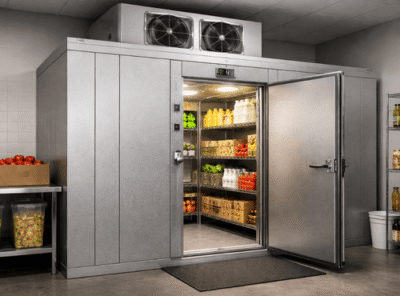
Recommended actions include:
- Inspecting door gaskets regularly
• Replacing worn or cracked seals immediately
• Ensuring doors close automatically
• Installing strip curtains to reduce cold air loss
• Training staff to avoid leaving doors open
Simple behavioural improvements can significantly reduce temperature fluctuations.
Airflow Optimisation for Stable Cooling
Internal airflow is critical for maintaining consistent temperatures throughout the cooler.
When vents become blocked or stock is packed too tightly, air circulation becomes restricted. This forces the cooling system to work harder and can create uneven temperatures inside the storage space.
To improve airflow:
- Leave space between stock and walls
• Avoid blocking evaporator fans
• Use open wire shelving where possible
• Maintain clear airflow zones near the ceiling
Proper airflow helps stabilise internal temperatures and reduces strain on refrigeration components.
Inventory Organisation Supports Better Cooling Performance
Stock organisation plays a larger role in refrigeration efficiency than many operators realise.
When items are difficult to locate, staff tend to leave cooler doors open longer while searching for products. This increases warm air infiltration and temperature instability.
Improving inventory organisation can significantly reduce unnecessary cooling load.
Effective strategies include:
- Grouping similar products together
• Clearly labelling shelves
• Placing high-turnover items near the entrance
• Implementing FIFO stock rotation
Efficient storage practices help reduce door opening time and improve overall cooler performance.
Condenser Coil Cleaning
Condenser coils are responsible for releasing heat removed from inside the cooler. When dust, grease, or debris accumulates on the coils, heat transfer becomes less effective.
Reduced heat exchange forces compressors to run longer cycles, increasing energy consumption and wear on components.
Best practice maintenance includes:
- Cleaning condenser coils every 3–6 months
- Increasing cleaning frequency in high-grease kitchens
- Inspecting coils during routine servicing
Clean coils allow refrigeration systems to operate closer to their intended efficiency levels.
Evaporator Maintenance and Frost Control
Frost build-up on evaporator coils can significantly restrict airflow and reduce cooling performance.
If frost accumulates excessively, the system must work harder to maintain temperature stability.
Preventative maintenance should ensure that:
- Automatic defrost cycles operate correctly
- Drain lines remain clear
- Ice build-up is addressed quickly
Maintaining clean evaporator coils helps preserve airflow and temperature stability.
Lighting Upgrades to Reduce Internal Heat
Older fluorescent lighting systems generate unnecessary heat inside the cooler. This additional heat increases the workload of the refrigeration system.
Upgrading to LED lighting offers several benefits:
- Lower energy consumption
- Reduced internal heat generation
- Longer bulb lifespan
- Brighter, clearer illumination
Although lighting upgrades may seem minor, they can contribute to measurable long-term energy savings.
Staff Training and Operational Discipline
Staff behaviour has a direct influence on refrigeration performance.
Training employees to follow proper cooler practices can significantly reduce unnecessary energy loss.
Important training points include:
- Retrieving items quickly and closing doors immediately
- Avoiding unnecessary cooler access
- Reporting unusual noises or temperature changes
- Maintaining organised shelving
Small behavioural changes can protect refrigeration performance without additional investment.
Strategic Storage Zoning
Large commercial kitchens and supermarkets can improve refrigeration efficiency by separating storage zones.
Using smaller prep refrigerators or display units for frequently accessed items reduces repeated trips to the main cooler.
This zoning strategy helps minimise door openings and stabilises cooler temperatures.
Proper Ventilation Around Condenser Units
External airflow around refrigeration equipment is critical for proper operation.
Condenser units require adequate ventilation to release heat effectively.
Ensure that:
- Condenser units have sufficient clearance
- Airflow around compressors remains unobstructed
- Ventilation systems operate properly
Poor ventilation can increase compressor strain, particularly during Australia’s hotter months.
Insulation Integrity and Panel Health
Over time, insulation panels can degrade or absorb moisture, reducing their ability to maintain stable temperatures.
Regular inspections should check for:
- Panel warping or physical damage
- Condensation between joints
- Gaps in panel seams
Maintaining insulation integrity prevents energy loss and helps the refrigeration system operate efficiently.
Smart Monitoring and Digital Controls
Modern monitoring systems can help operators identify cooling problems before they become serious.
Digital monitoring tools may include:
- Remote temperature alerts
- Data logging systems
- Performance monitoring dashboards
These systems provide valuable insight into refrigeration performance and help detect early warning signs of inefficiency.
Preparing for Seasonal Temperature Changes
Australian summers place significant stress on refrigeration systems.
Before peak temperature periods, businesses should consider preventative servicing such as:
- Cleaning condenser coils
- Replacing worn door seals
- Testing thermostat calibration
- Inspecting electrical components
Proactive maintenance helps prevent failures during high-demand periods.
Energy Audits for Long-Term Optimisation
Periodic energy audits can reveal hidden inefficiencies in refrigeration systems.
Areas commonly reviewed include:
- Compressor cycle patterns
- Temperature recovery time
- Lighting energy use
- Door opening frequency
Identifying these issues allows operators to implement targeted improvements.
The Long-Term Value of Efficient Refrigeration
Investing time in improving cooler performance provides measurable long-term benefits.
Businesses may experience:
- Lower electricity bills
- Reduced maintenance costs
- Longer equipment lifespan
- Improved stock preservation
- Stronger food safety compliance
These operational improvements directly support profitability and reliability.
Sustainability Benefits
Energy-efficient refrigeration systems also support environmental responsibility.
Reducing energy consumption lowers carbon emissions and contributes to more sustainable business practices. For restaurants and supermarkets working to reduce their environmental footprint, improving refrigeration performance aligns with broader sustainability goals.
Small Efficiency Habits That Protect Your Refrigeration Investment
Maximising walk-in cooler efficiency is not achieved through one major upgrade. Instead, it results from consistent maintenance, smart operational habits, and careful monitoring of refrigeration systems.
From managing door seals and airflow to maintaining condenser coils and training staff, small improvements can significantly improve system performance.
In Australia’s demanding commercial climate, refrigeration equipment works continuously to protect valuable stock. Ensuring that these systems operate efficiently helps safeguard inventory, reduce operating costs, and improve long-term reliability.
If you are looking to upgrade or improve your commercial refrigeration setup, Caterware provides professional-grade commercial kitchen equipment designed for reliability and efficiency. Our team can help you select the right refrigeration solutions for your business.
Contact us today to discuss walk-in coolers, refrigeration equipment, and other commercial kitchen solutions that support efficient and reliable food storage.
Frequently Asked Questions
1. What temperature should a walk-in cooler be set to?
Most commercial walk-in coolers should be maintained between 1°C and 4°C for safe fresh food storage. Setting temperatures lower than necessary increases energy consumption and puts extra strain on refrigeration components.
2. How often should walk-in cooler condenser coils be cleaned?
Condenser coils should generally be cleaned every 3 to 6 months. In high-grease environments such as restaurant kitchens, more frequent cleaning may be necessary to maintain efficient heat transfer and reduce compressor workload.
3. Why is my walk-in cooler using too much electricity?
Common causes include dirty condenser coils, damaged door seals, blocked airflow, poor insulation, or frequent door openings. Addressing these issues can significantly improve refrigeration efficiency and reduce energy costs.
4. How can I improve airflow inside a walk-in cooler?
Proper airflow can be maintained by leaving space between stock and walls, avoiding blocked evaporator fans, using open shelving, and keeping airflow zones near the ceiling clear.
5. Do LED lights improve walk-in cooler efficiency?
Yes. LED lighting generates less heat and uses significantly less energy than traditional fluorescent lights, helping reduce internal heat load and lowering the workload on the refrigeration system.
6. How can staff behaviour affect refrigeration efficiency?
Staff habits such as leaving cooler doors open, overloading shelves, or frequently accessing the cooler unnecessarily can cause temperature fluctuations and increased compressor run times.
7. Why is door management important for walk-in cooler efficiency?
Every time a cooler door opens, warm air enters the system. Worn door seals, slow-closing doors, or frequent openings increase cooling demand and reduce system efficiency.