 Rent-Try-Buy
With SilverChef |
Apply Now
Rent-Try-Buy
With SilverChef |
Apply Now



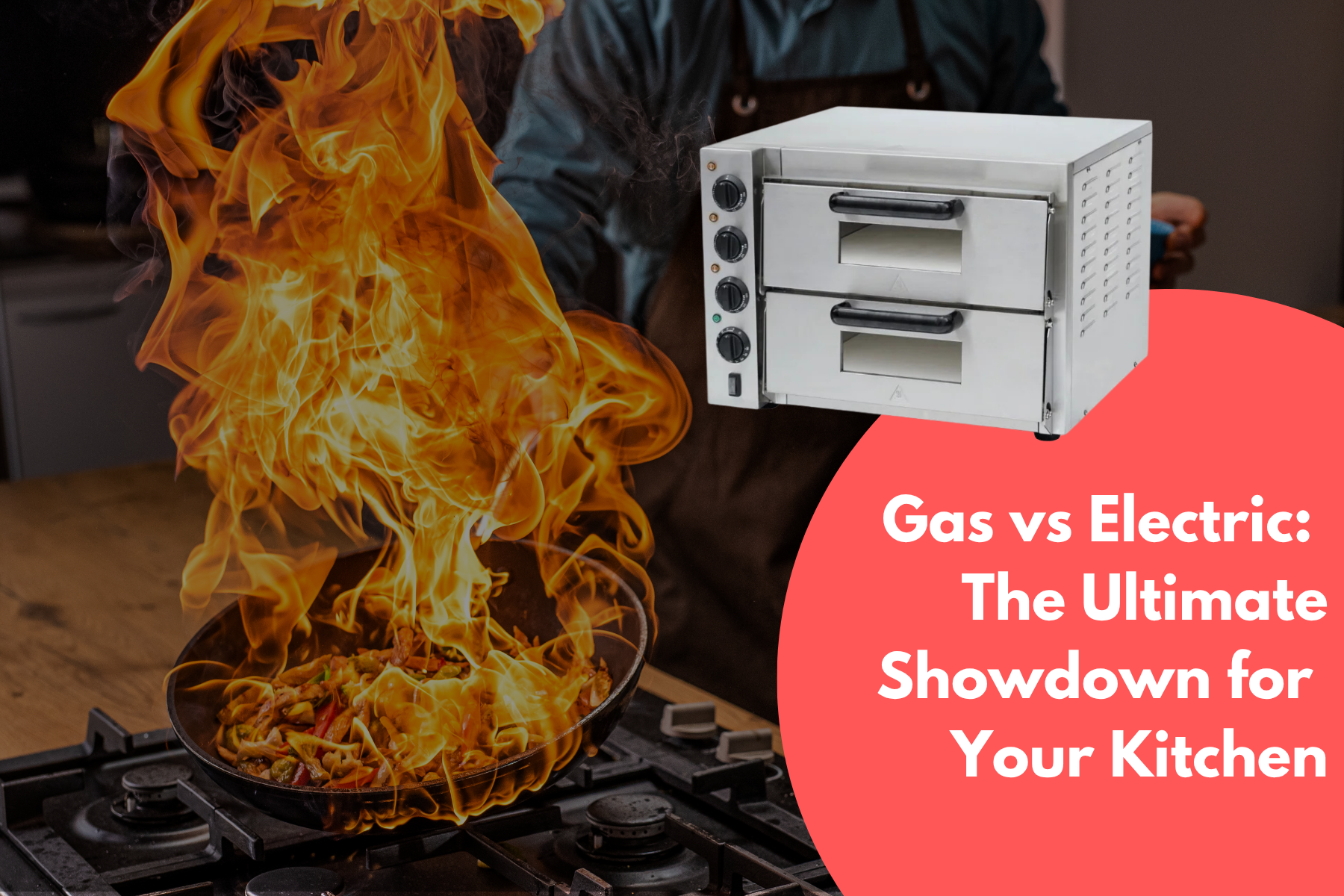
Gas vs Electric: The Ultimate Showdown for Your Kitchen
21
Jun
When setting up a commercial kitchen, one of the most significant decisions you’ll face is choosing between gas and electric cooking equipment. The debate over gas vs electric cooking is more than just preference — it can significantly impact your kitchen’s efficiency, safety, and bottom line. Both have their advantages and drawbacks, and the right choice depends on your specific operational needs. A recent U.S. Study revealed that, commercial kitchens account for roughly 40% of total energy consumption in foodservice buildings, an average intensity of 263 MBtu per square foot compared to 70 MBtu for other commercial sectors.
In this article, we’ll break down the key differences between gas vs electric cooking to help restaurant owners and chefs make the best decision for their needs.
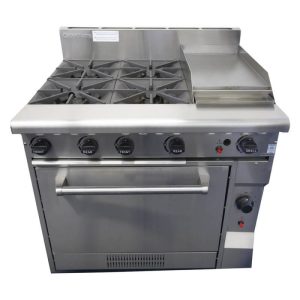
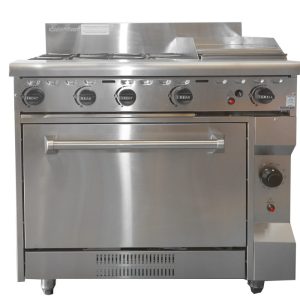
CaterWare 4 Burner Gas Cooktop with 300mm Hotplate & Oven (GBO4-30HP)
Add to Cart/Quote
This product has multiple variants. The options may be chosen on the product page
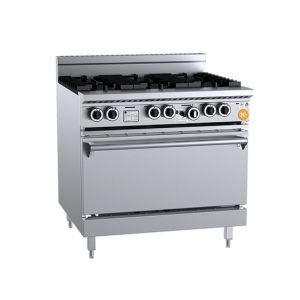
B&S K+ Stove Boiling Top with Static Oven 6 Burner (KOV-SB6)
Add to Cart/Quote
This product has multiple variants. The options may be chosen on the product page
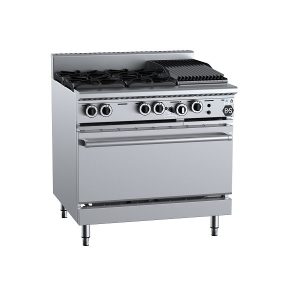
B&S Black Stove Boiling Top with Static Oven 4 Burner/300mm Chargrill (OV-SB4-CBR3)
Add to Cart/Quote
This product has multiple variants. The options may be chosen on the product page

B&S Black Target Top with Static Oven 900mm (OV-TT-9)
Add to Cart/Quote
This product has multiple variants. The options may be chosen on the product page
1. Heat Control and Precision
Gas stoves offer instant heat and precise flame control, which many chefs prefer for tasks that require quick adjustments, such as searing, sautéing, or simmering. With visible flames, it’s easier to judge heat levels at a glance.
Electric cooking, on the other hand, provides more consistent and even heat, especially on flat surfaces like induction cooktops. This makes it ideal for baking or tasks that benefit from steady temperatures over time.
Verdict: Gas wins for flexibility and precision. Electric is best for consistency.
2. Energy Efficiency

Electric appliances, especially induction models, are often more energy-efficient than gas because they convert more energy directly into heat. Gas systems, while effective, lose some energy through open flames and heat dispersion.
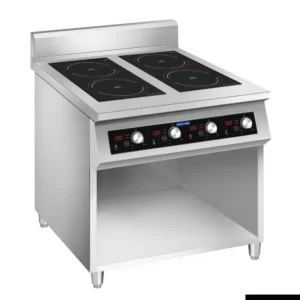
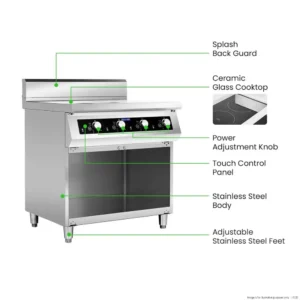
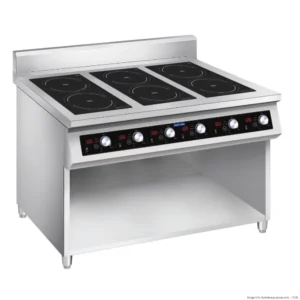
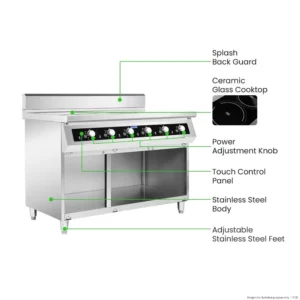
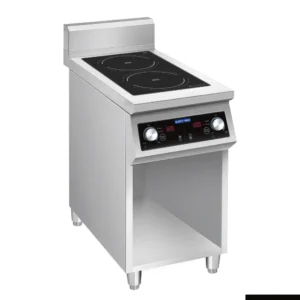
However, energy efficiency can depend heavily on usage patterns and the type of equipment. For high-volume kitchens, small differences in efficiency can add up over time.
Verdict: Electric generally uses energy more efficiently, but actual savings vary based on your workflow.
3. Installation and Upfront Costs
Gas equipment typically costs less upfront, and many commercial kitchens already have gas lines installed, which simplifies integration. However, installing new gas infrastructure can be expensive and may involve strict safety regulations.
Electric equipment is often more expensive at the point of purchase, and high-powered units may require electrical upgrades. Installation is usually easier and faster, especially in locations where gas is not available.
Verdict: Gas wins if infrastructure is already in place. Electric can be easier for new setups.
4. Running Costs
Gas tends to be cheaper than electricity in many regions, making it more cost-effective in terms of long-term fuel expenses. However, fluctuating energy prices and efficiency differences mean this is not always the case.
Electric appliances may have higher running costs, especially in countries with expensive electricity. But their improved energy efficiency and lower maintenance can offset this.
Verdict: Gas usually has lower ongoing fuel costs, but consider local utility rates.
5. Safety and Ventilation
Gas cooking poses risks of gas leaks, open flames, and carbon monoxide emissions. Proper ventilation and regular maintenance are crucial for ensuring safety. Chefs must also be vigilant about open flames in a fast-paced kitchen.
Electric cooking eliminates the need for an open flame, reducing fire risk. Induction models, in particular, remain cool to the touch and only heat when in contact with compatible cookware.
Verdict: Electric is safer and cleaner overall, especially in smaller or enclosed kitchen environments.
6. Maintenance and Durability
Gas appliances often require more frequent maintenance due to clogged burners or parts wearing down from heavy use. Electric appliances, while more durable in many cases, may require specialized service for internal components or circuitry.
Verdict: Electric wins for low-maintenance operation. Gas may need more hands-on care.
7. Cooking Style and Chef Preference
Ultimately, many chefs have developed strong preferences shaped by years of experience. Some swear by gas for its tactile control, while others prefer the sleek precision of electric systems, particularly induction.
Verdict: This one comes down to your team’s comfort and cooking style.

Which One Is Right for You?
Choosing between gas vs electric cooking comes down to your kitchen’s layout, your team’s needs, and your operational goals. If you need instant, high-heat control and already have gas infrastructure, gas is hard to beat. But if you want energy efficiency, cleaner operation, and easier maintenance, electric might be the smarter long-term investment.
For restaurant owners and chefs planning a kitchen upgrade or new installation, weigh your priorities carefully. The right choice today can set the tone for years of smooth, efficient cooking ahead.
Need help choosing the right equipment? Browse top-quality gas and electric cooking solutions at Caterware, trusted by commercial kitchens across Australia.